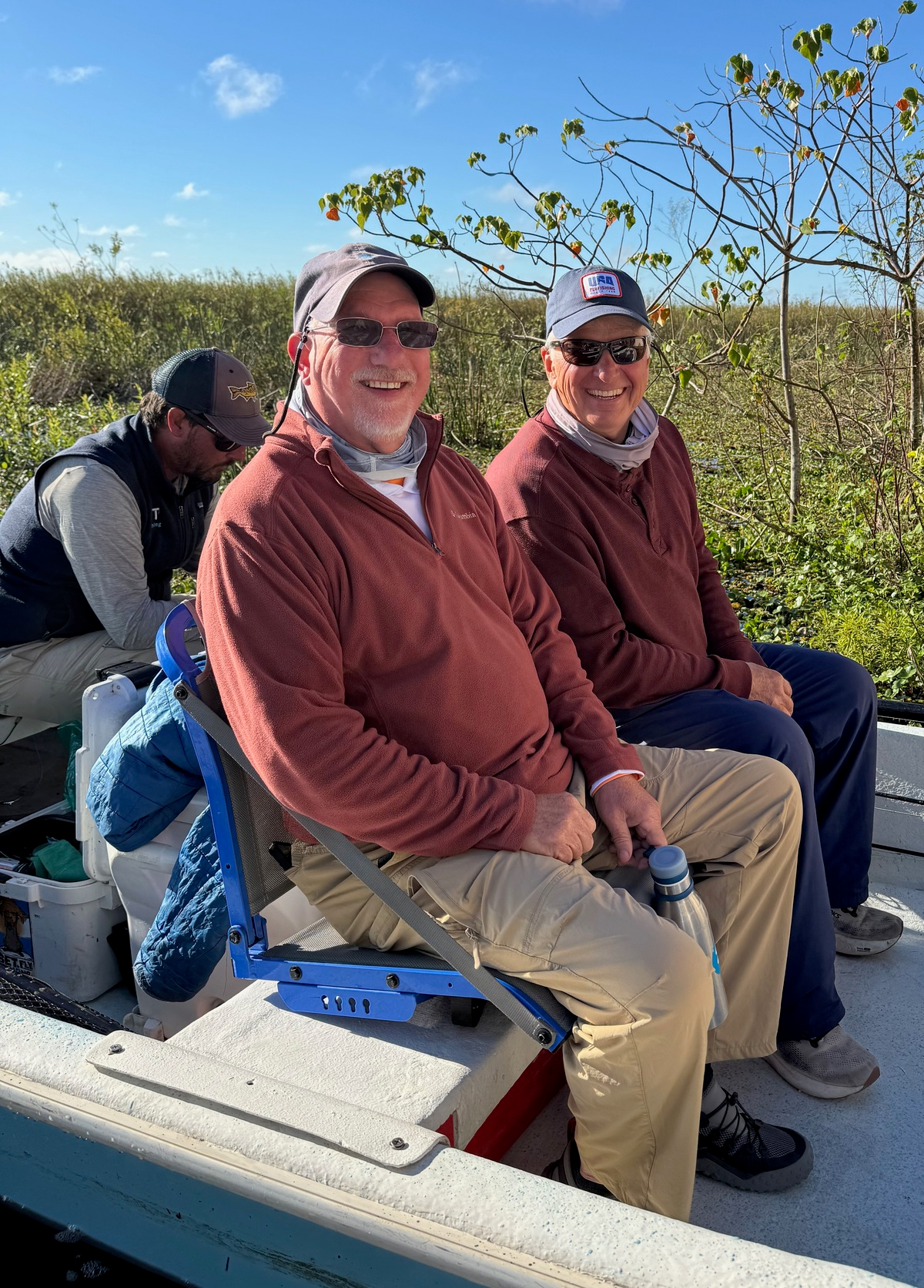
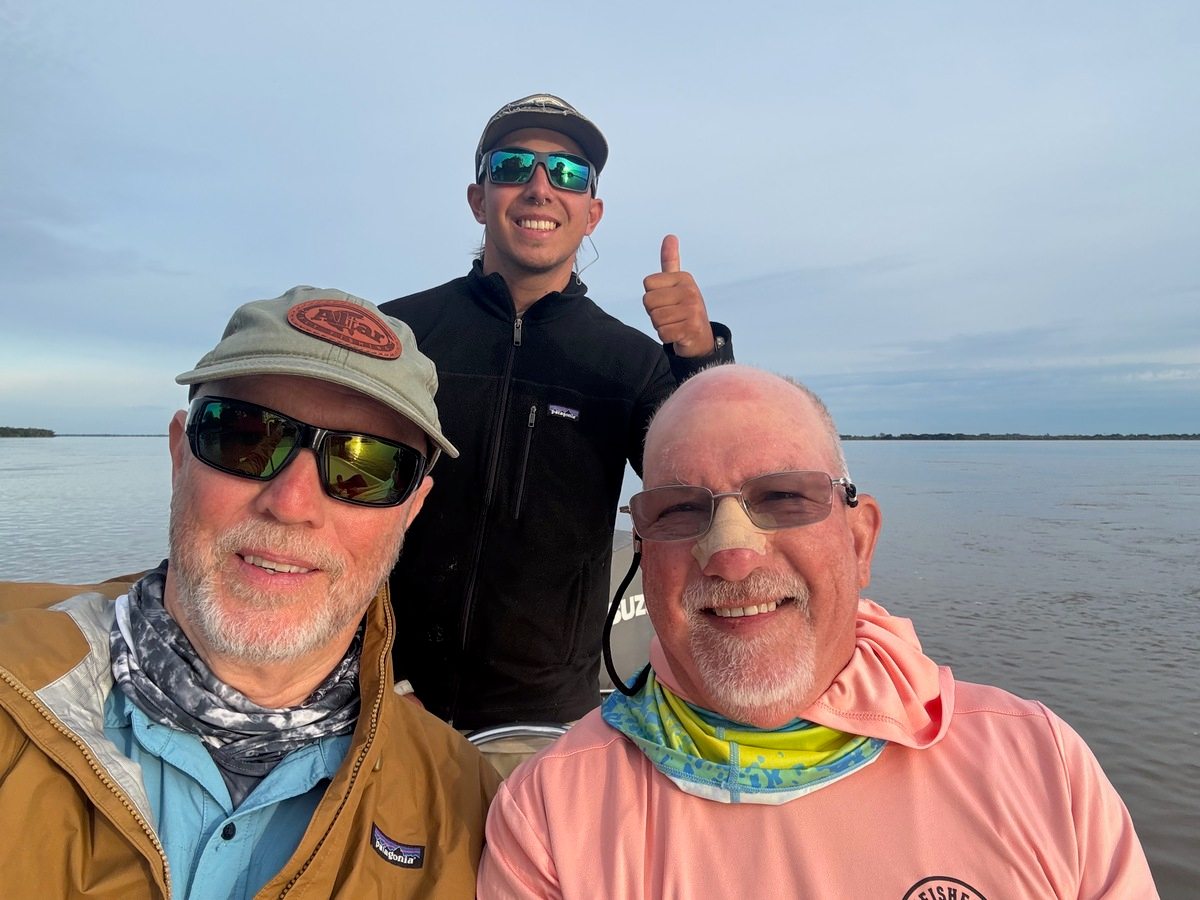
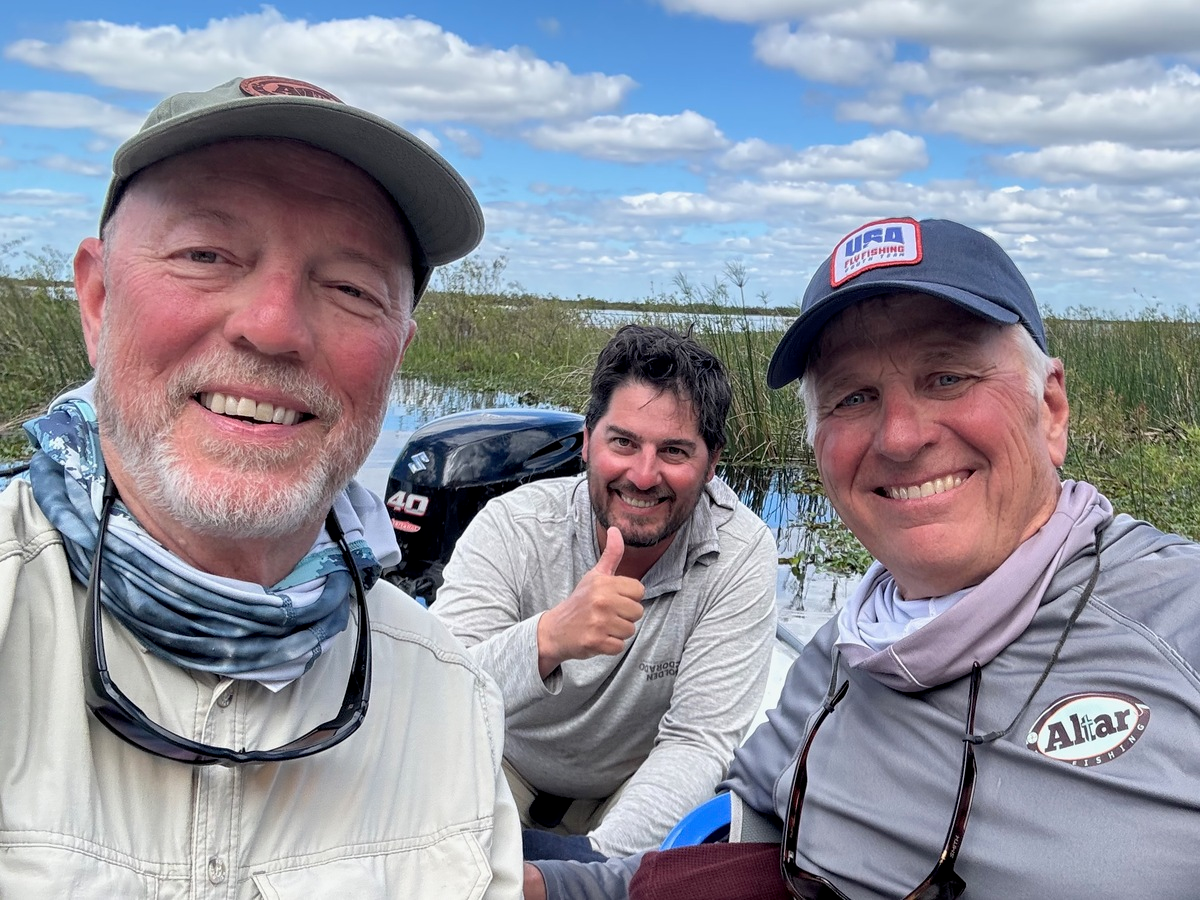
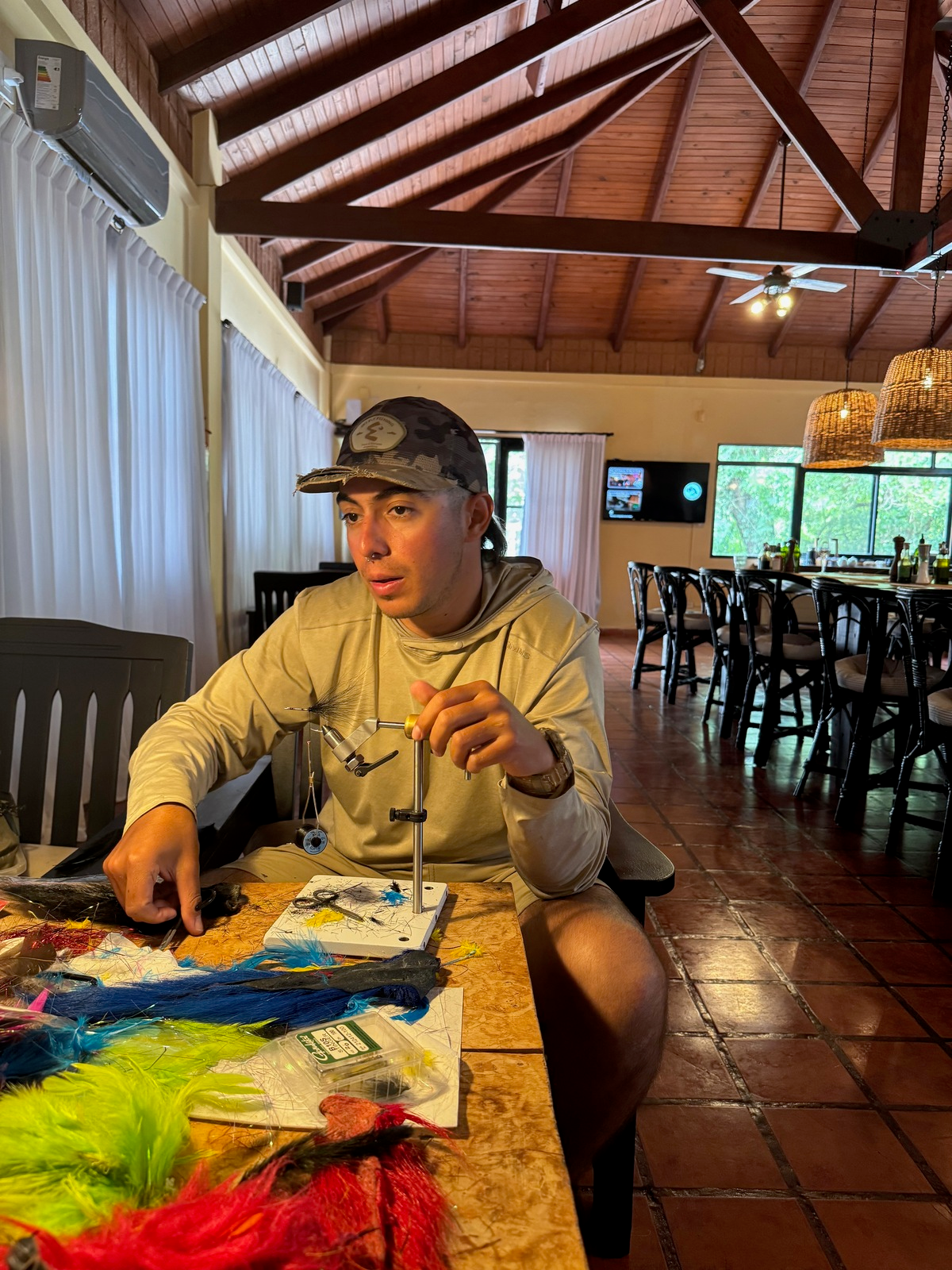
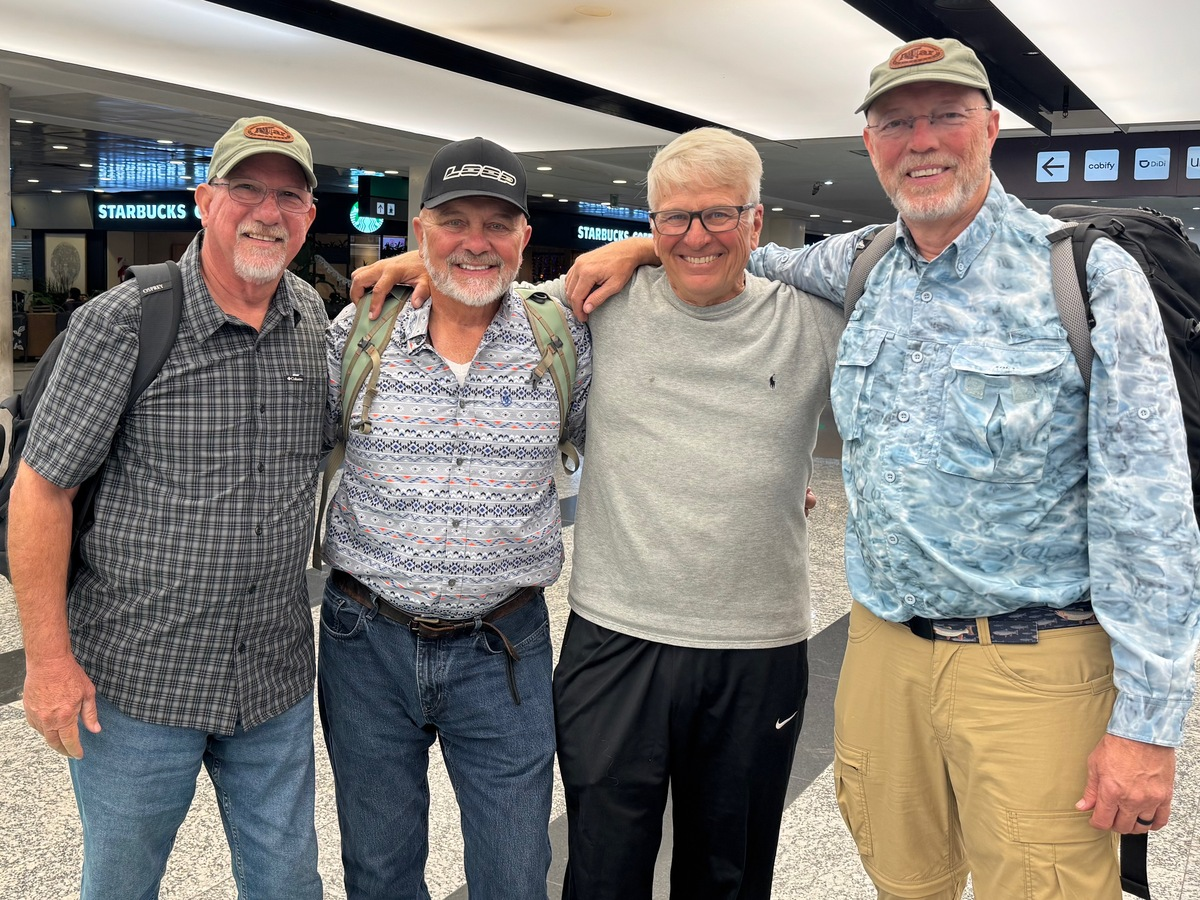
Last year, Jason Randall invited Bob Born, Jim Craig, and Kenny Klimes to Argentina to fly-fish for golden dorado. Many in the group had joined Jason’s Iceland trip in June 2024, including doctor and veterinarian friends of Jason and Joann Randall. It was an eclectic group of skilled fly fishers.
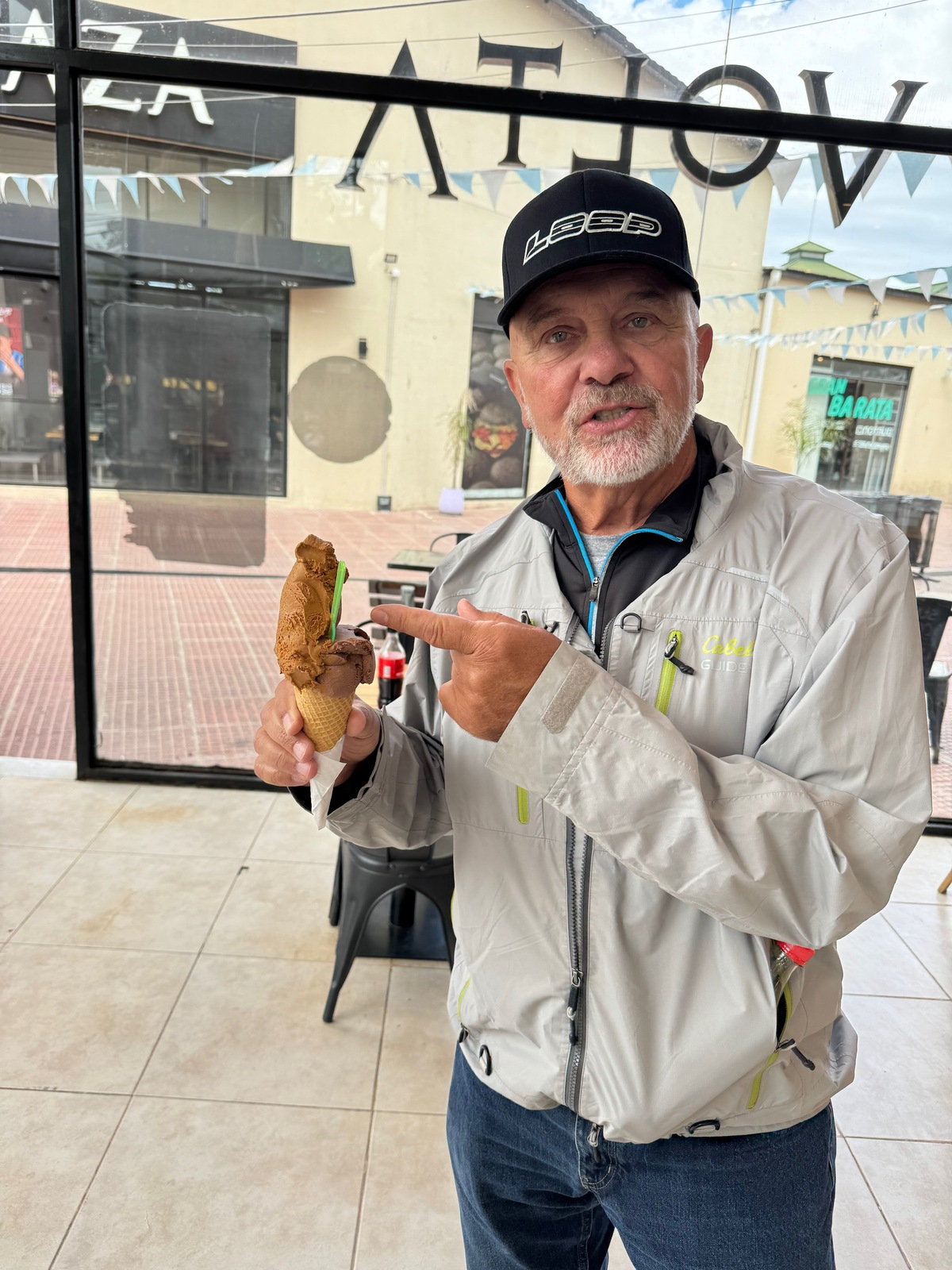
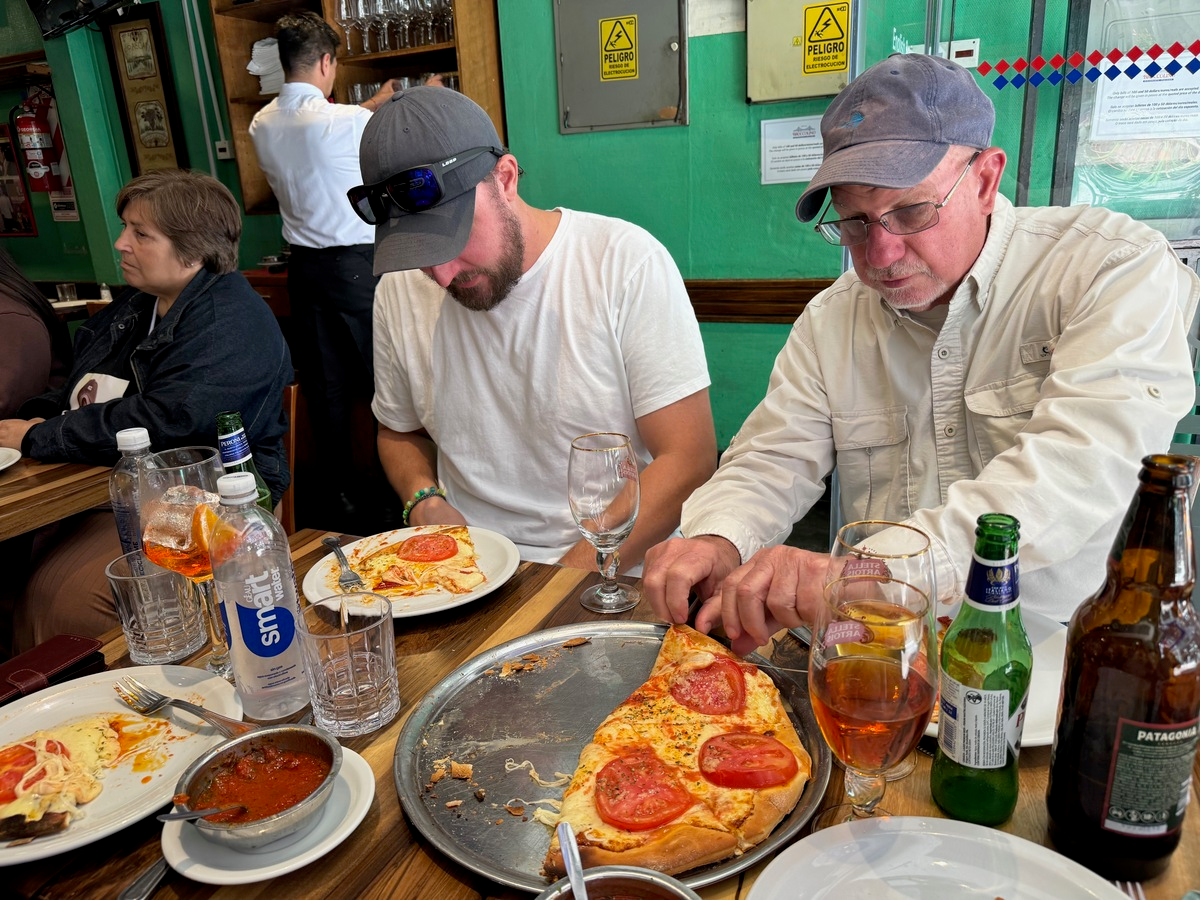
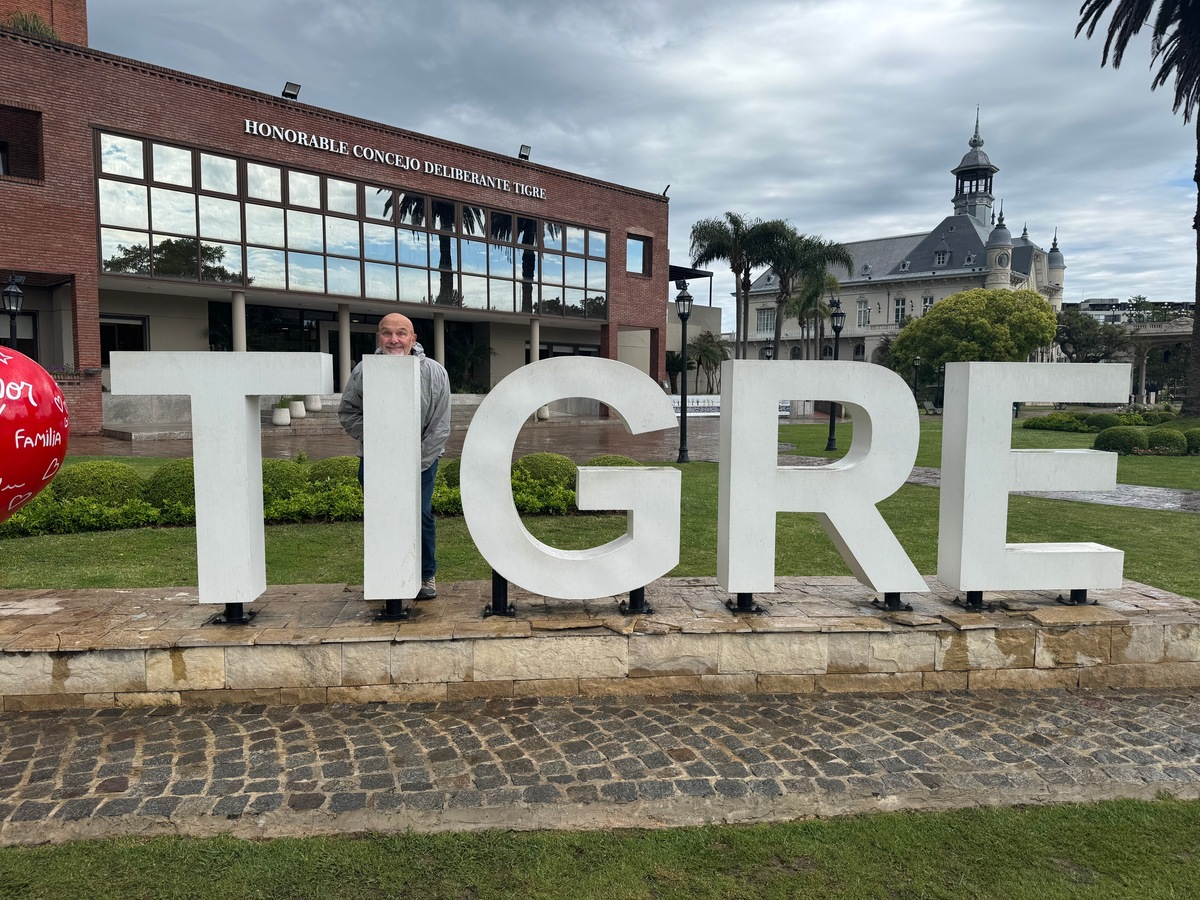
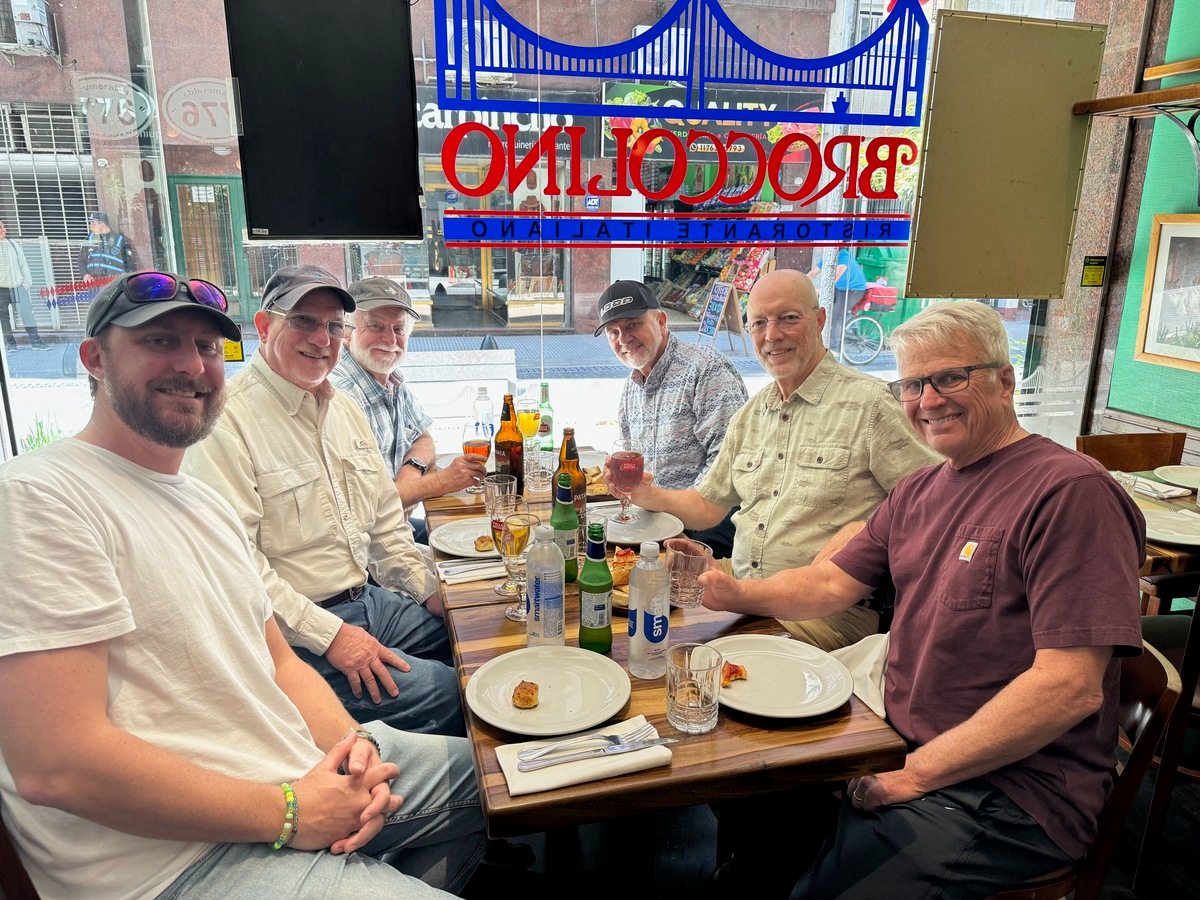
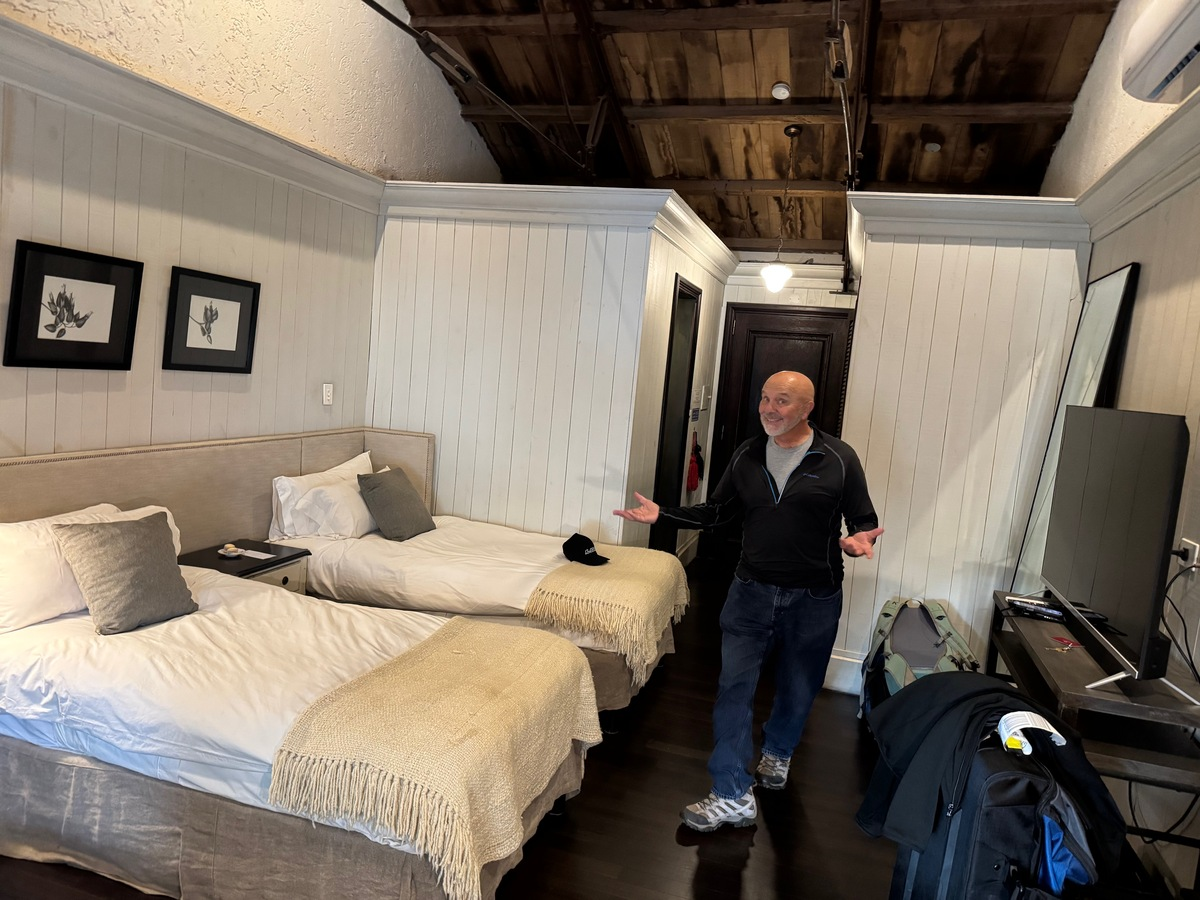
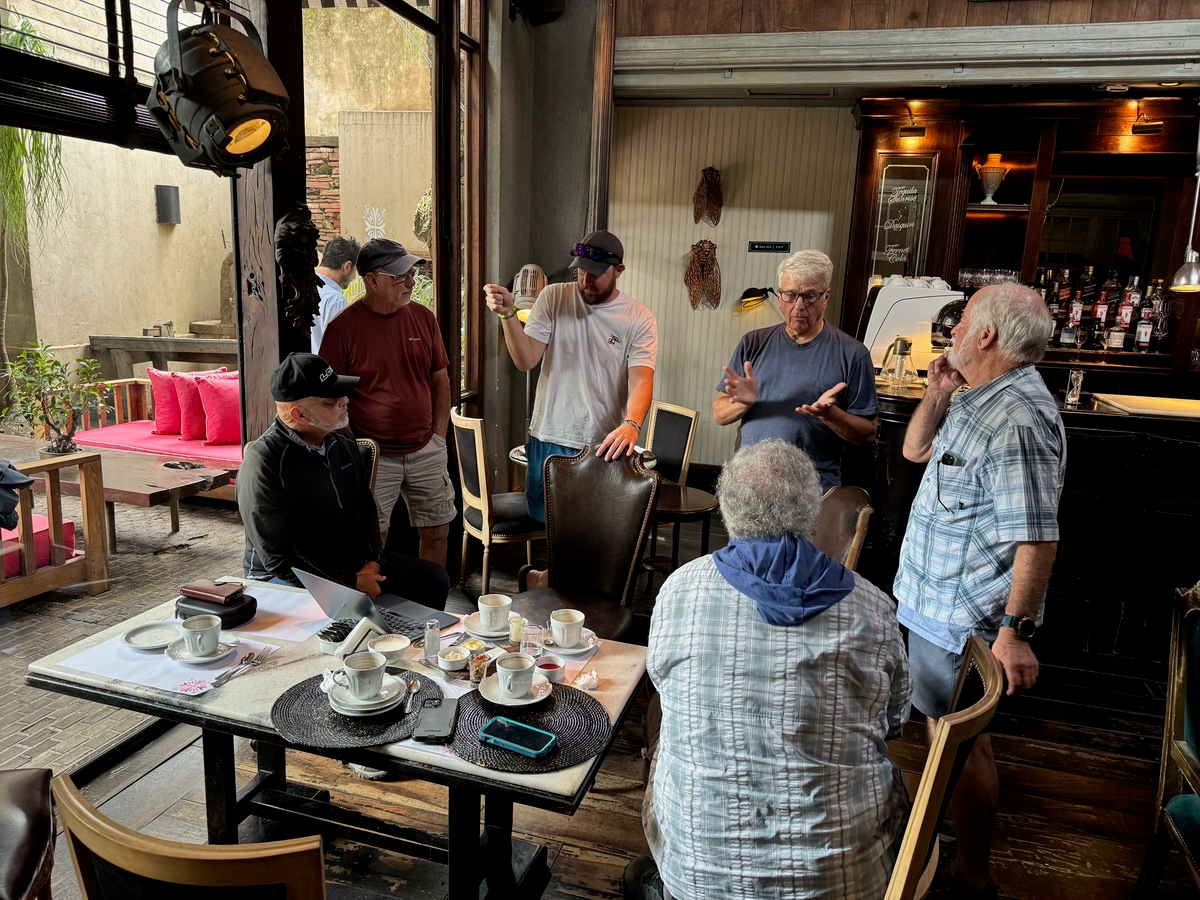
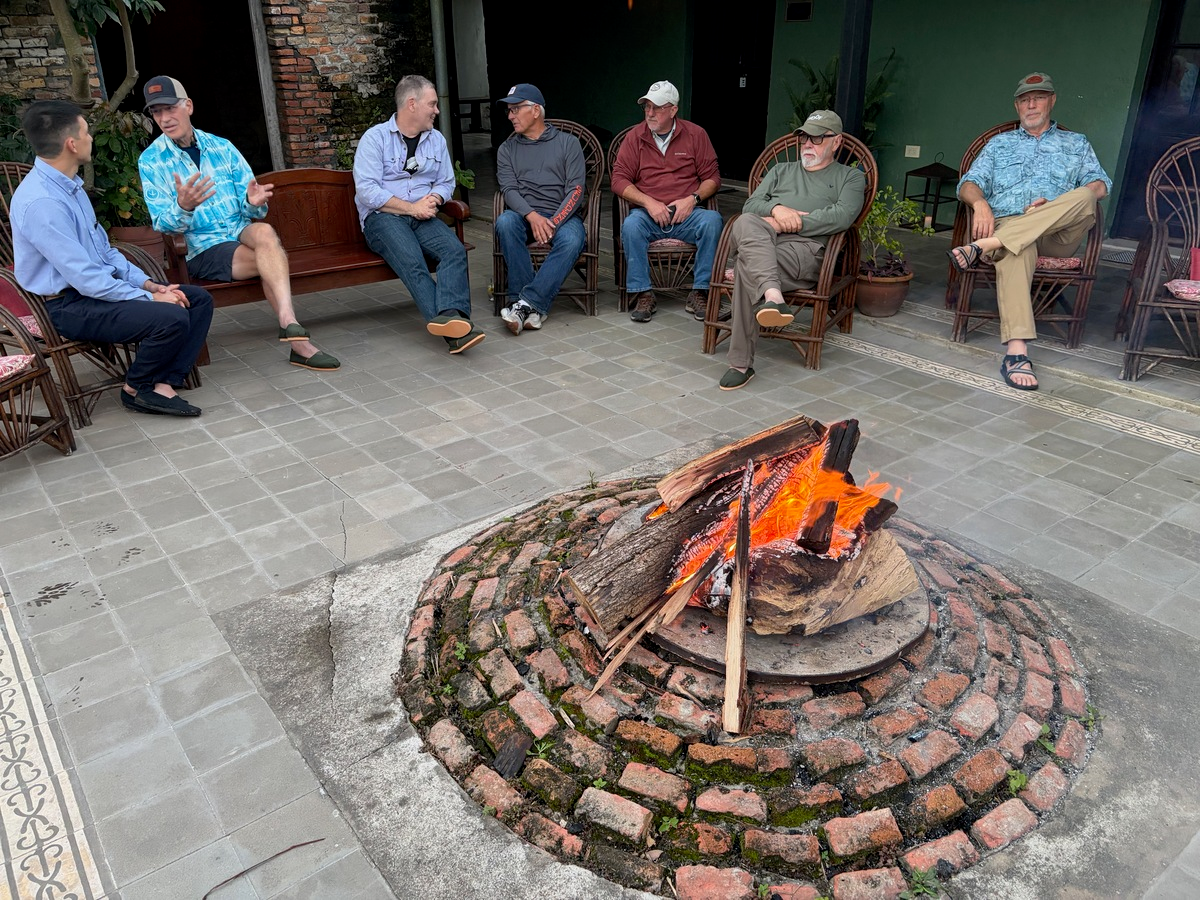
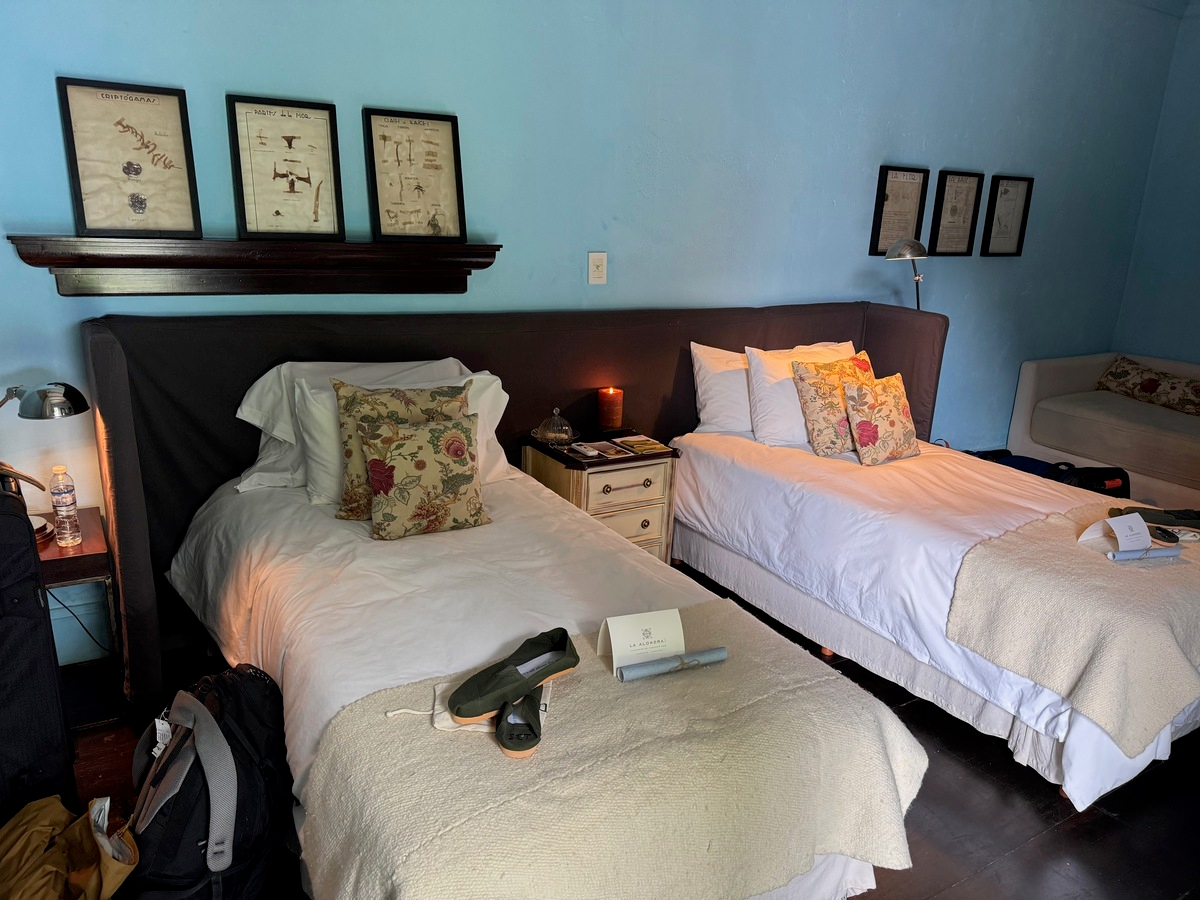
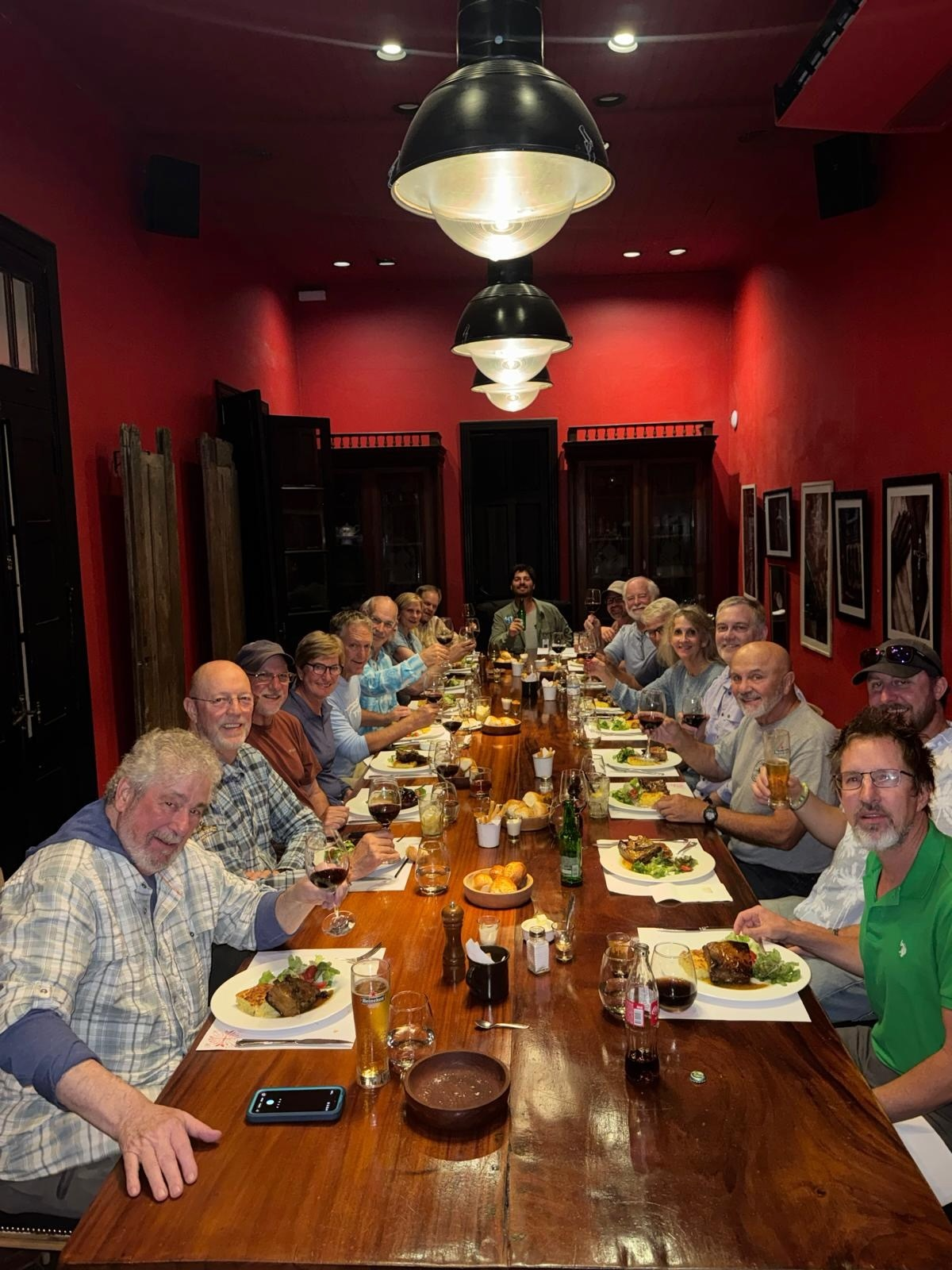
Our trip began Tuesday, October 19, with two long flights to Buenos Aires, where we arrived the next morning. Nick Conklin—formerly the go-to rod expert at Temple Fork Outfitters and now at Loop Fly Fishing—arranged a VRBO with beds for the seven of us who arrived early. We explored the city, enjoyed excellent restaurants, and took a tour of the El Tigre Delta organized by Jim Craig. On October 22, we flew to Corrientes for two nights at the La Alondra hotel. Most of the group arrived Friday, October 23, and we gathered for a dinner hosted by SET. It was a pleasure to reconnect with friends from Iceland and meet new members of the group.
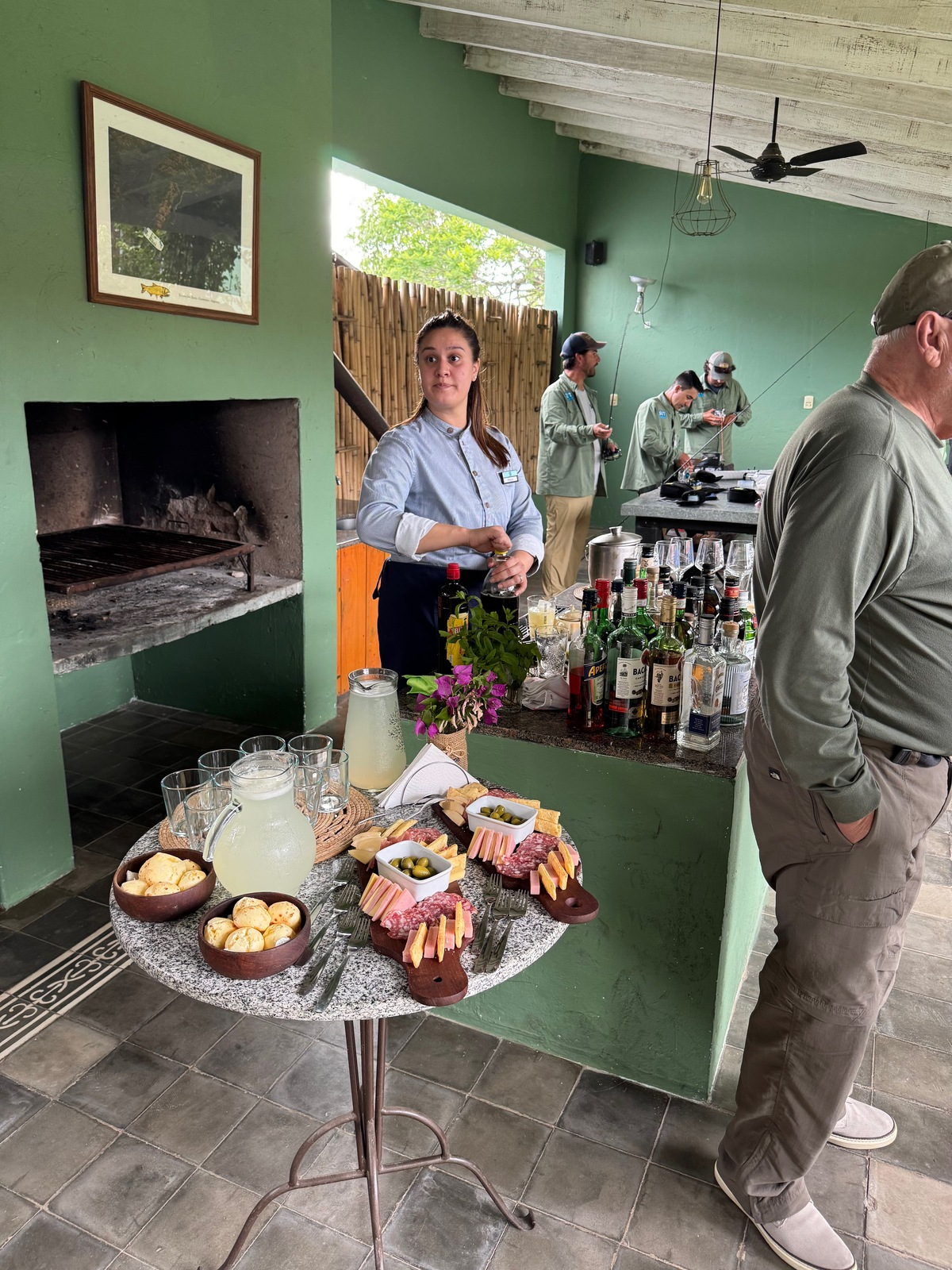
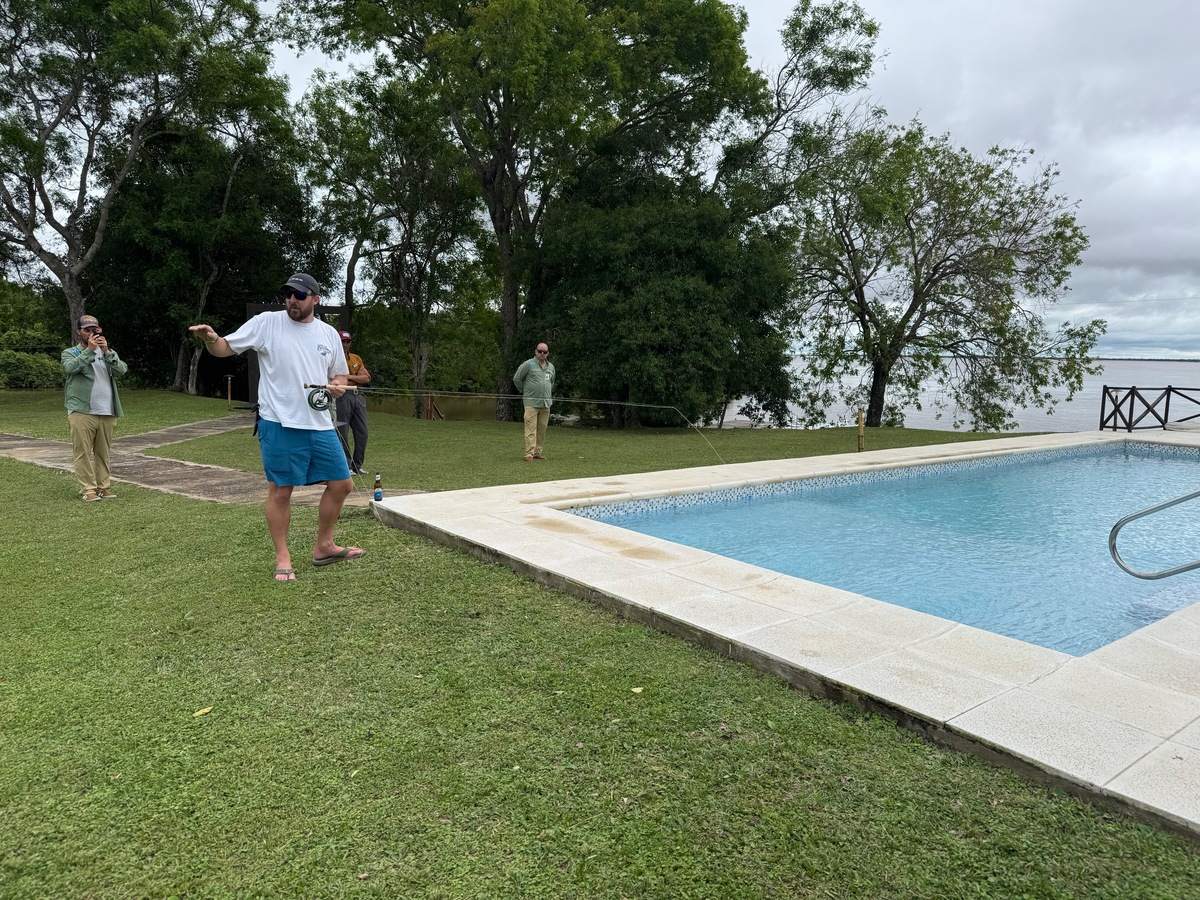
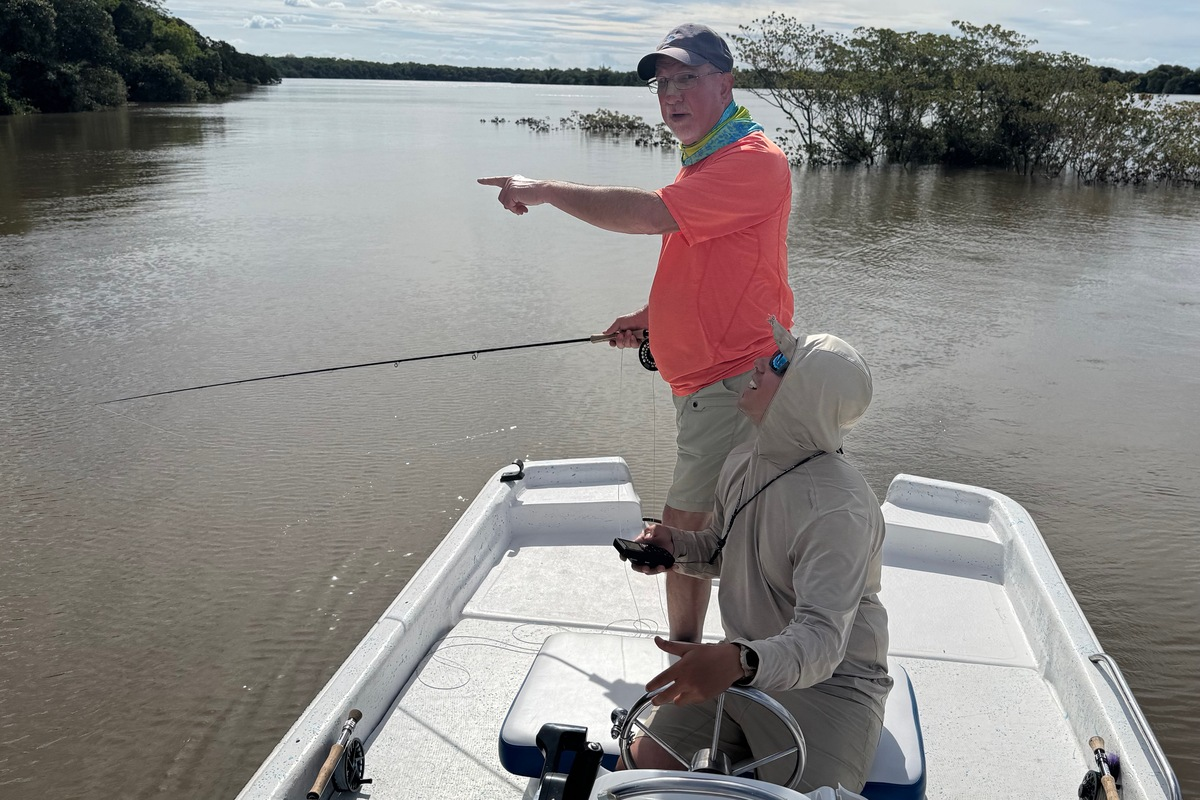
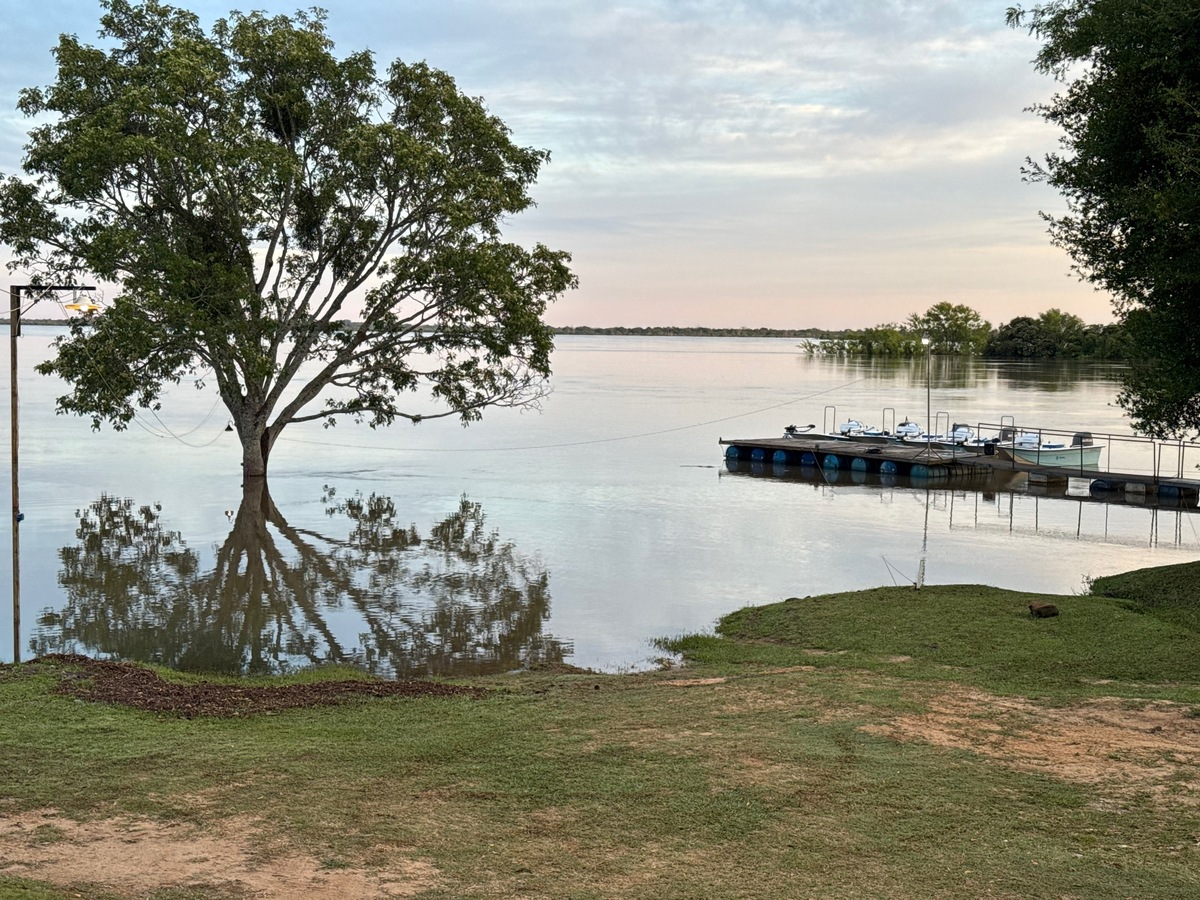
On Saturday, we traveled to SET Fly Fishing’s Paraná River location, enjoyed a wonderful lunch, and met the guides. Our 15 anglers would split into two groups, alternating between the Paraná River and Iberá Wetlands National Park. Bob, Jim, and Kenny would fish the wetlands first. Heavy rains in Brazil had flooded the Paraná, making fishing difficult—a challenge we would experience later. The Paraná, River was 18 feet above normal and flowing at 1.15 million CFS (yes, you read that right!). That is three times the rate of the Mississippi River.
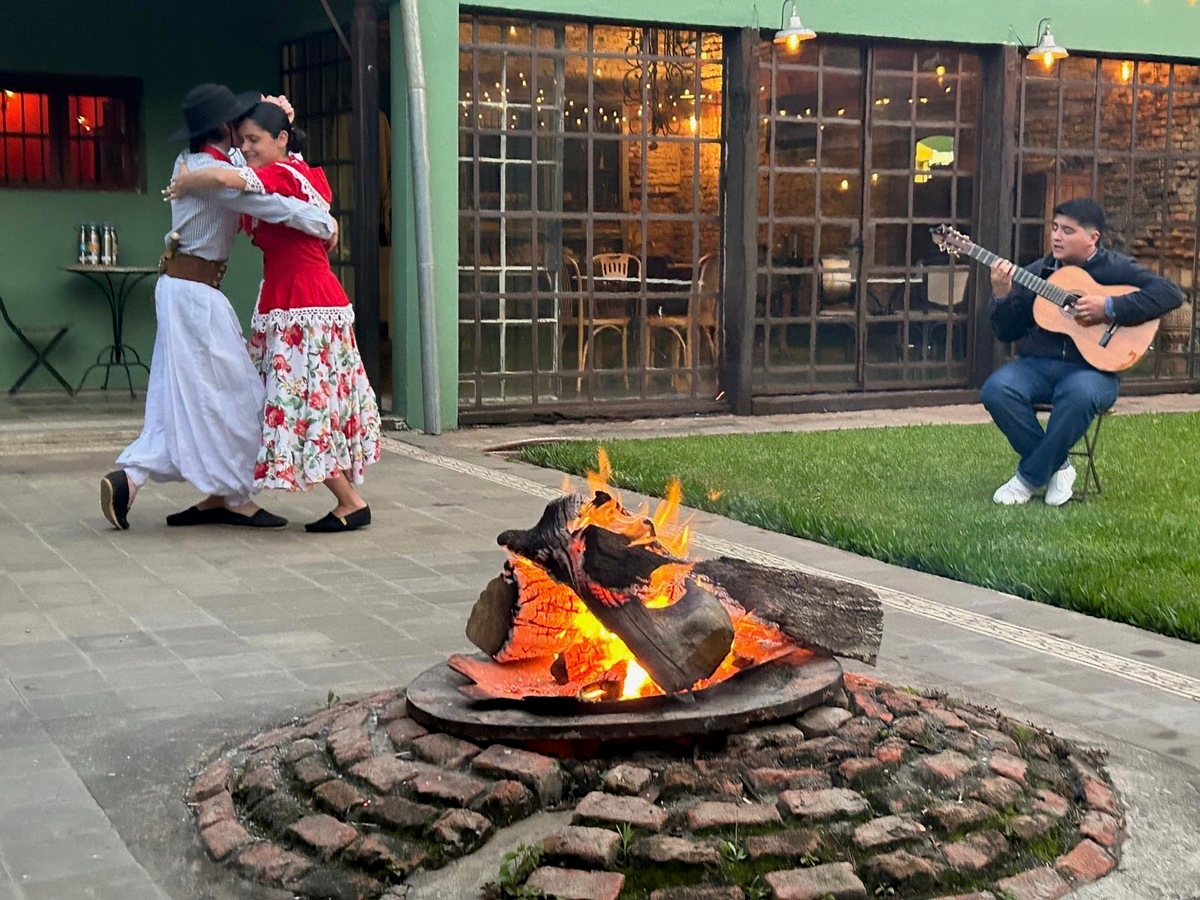
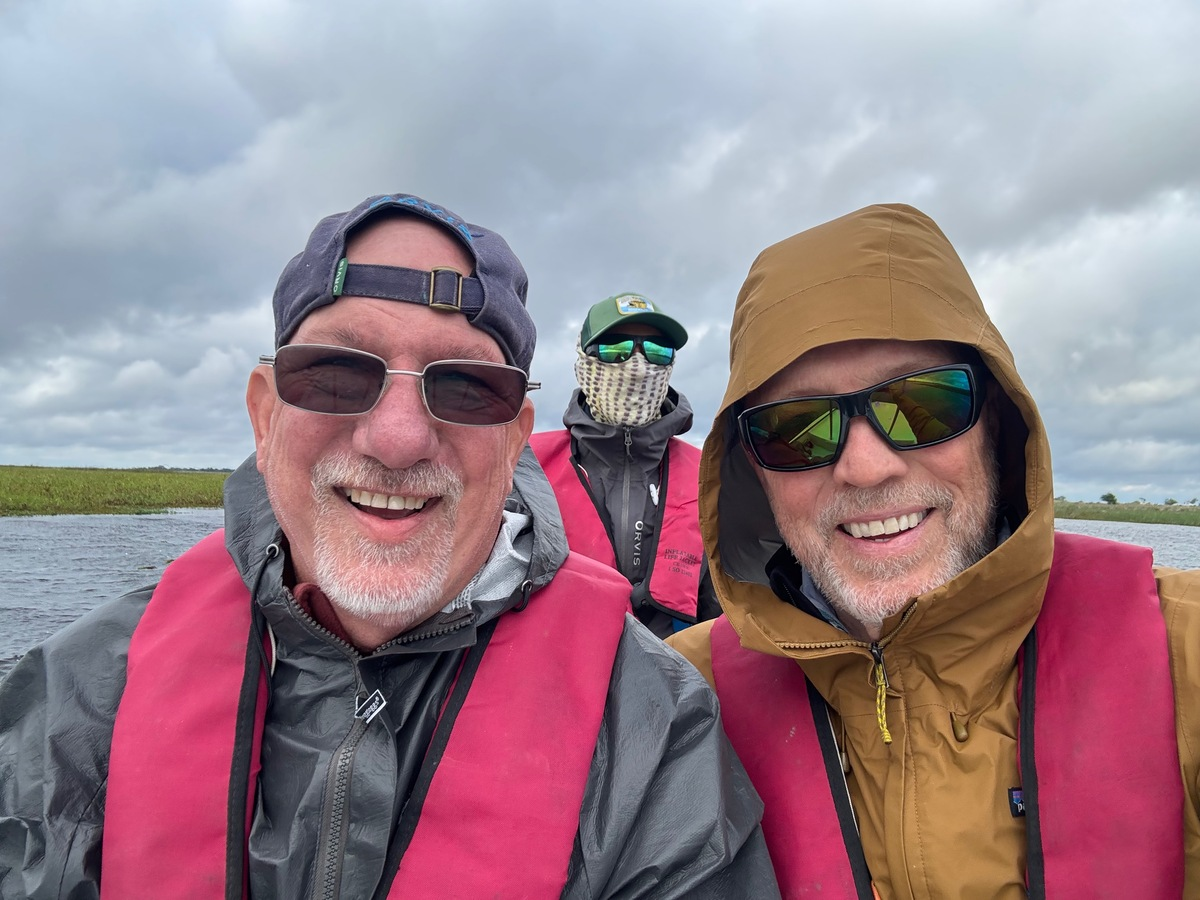
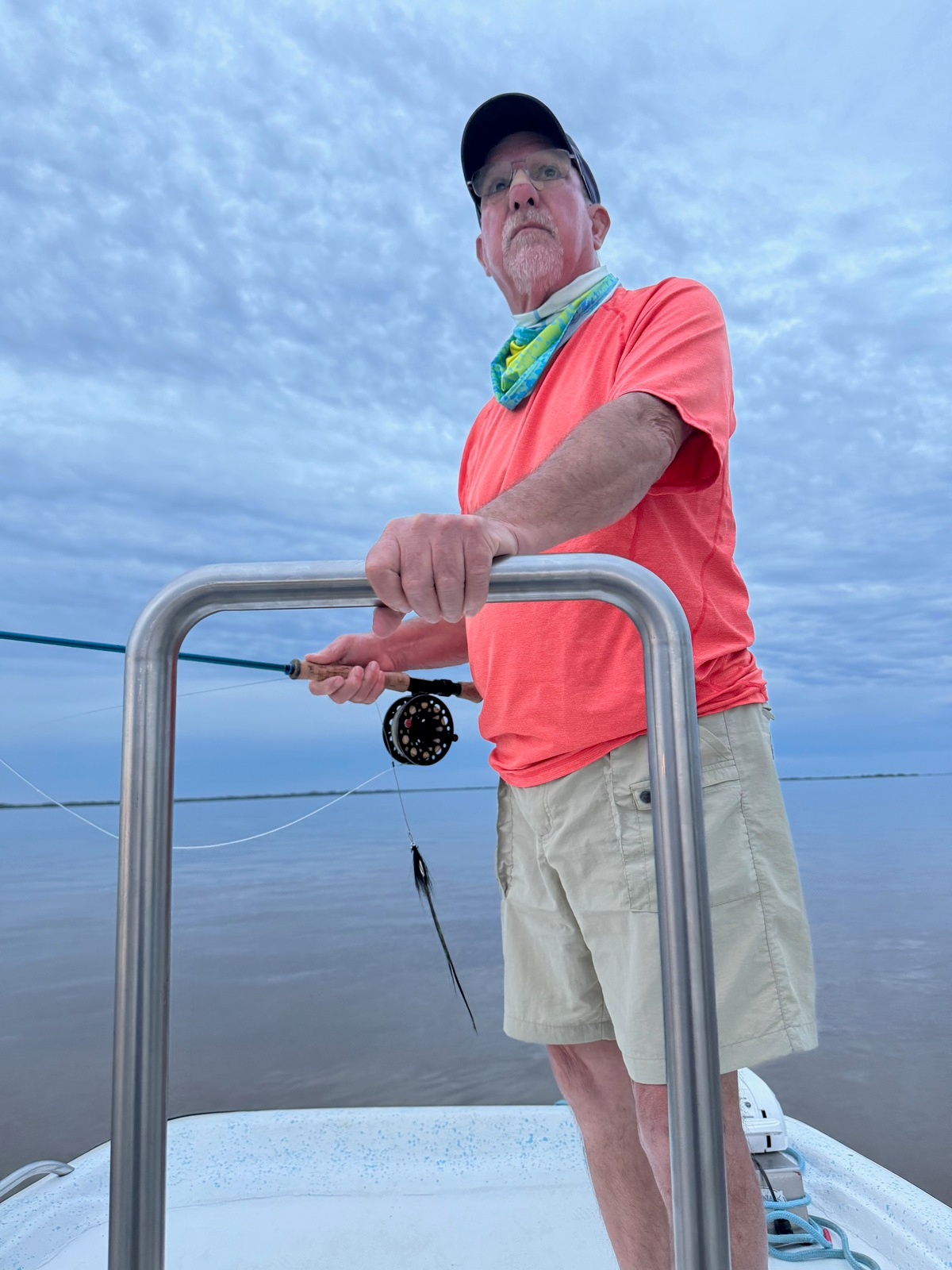
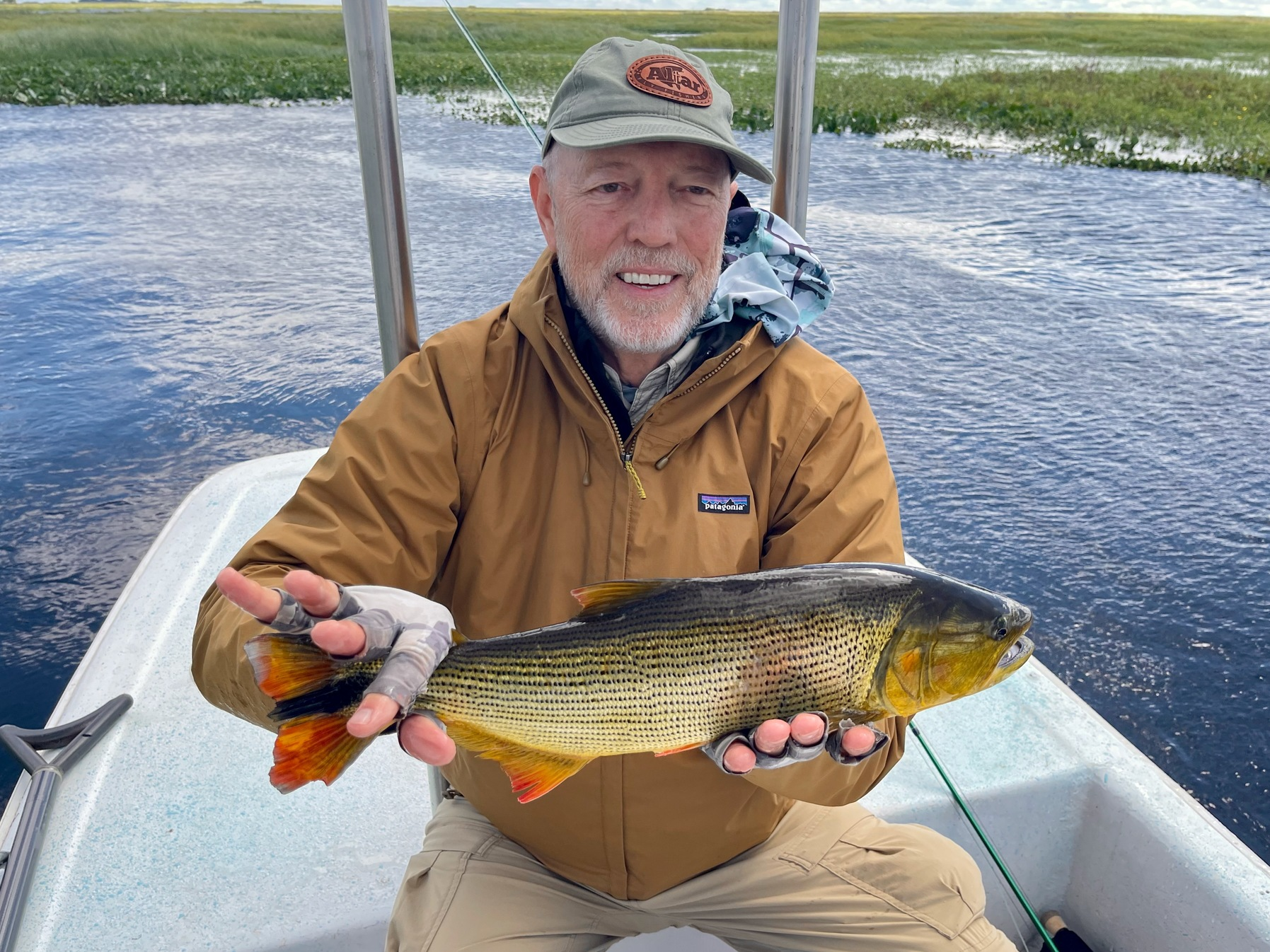
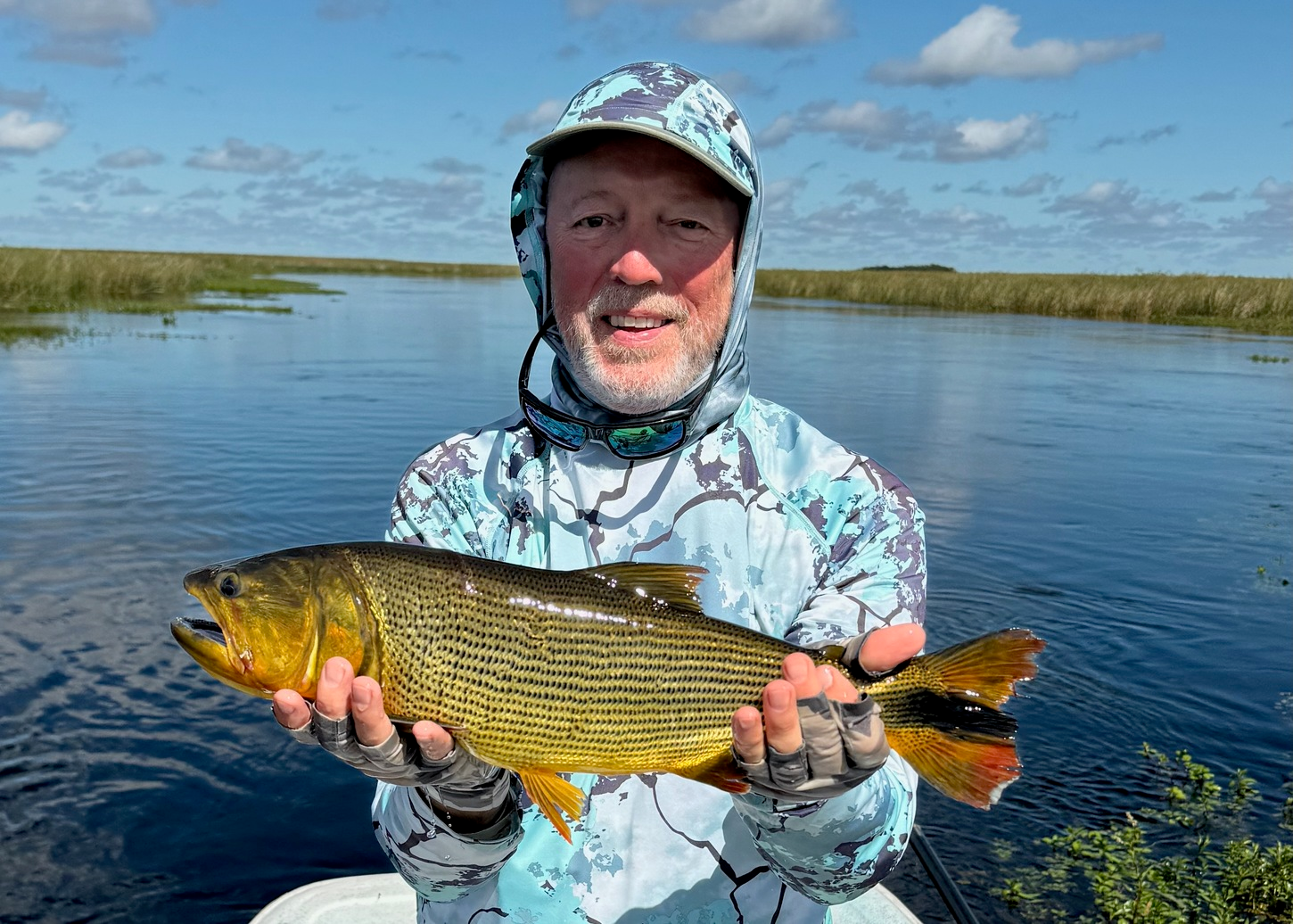
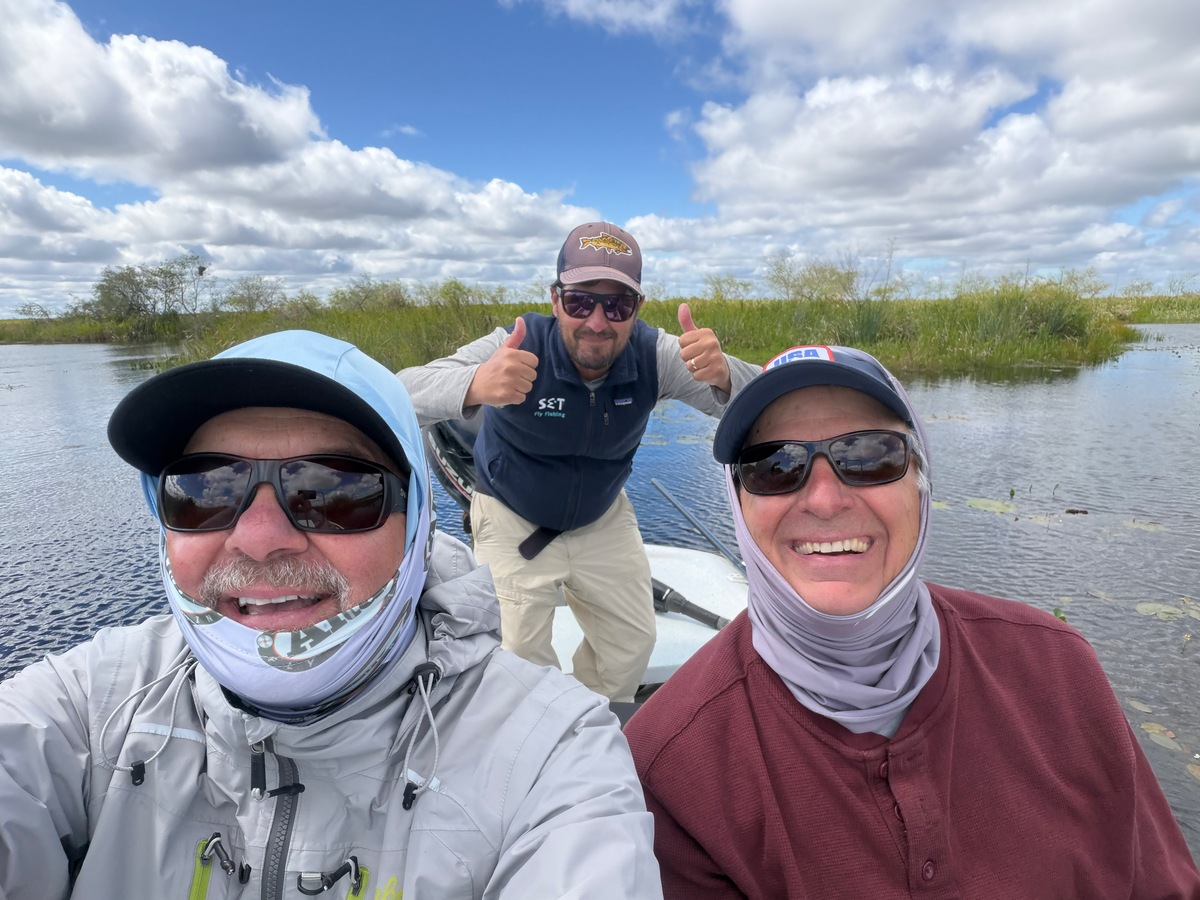
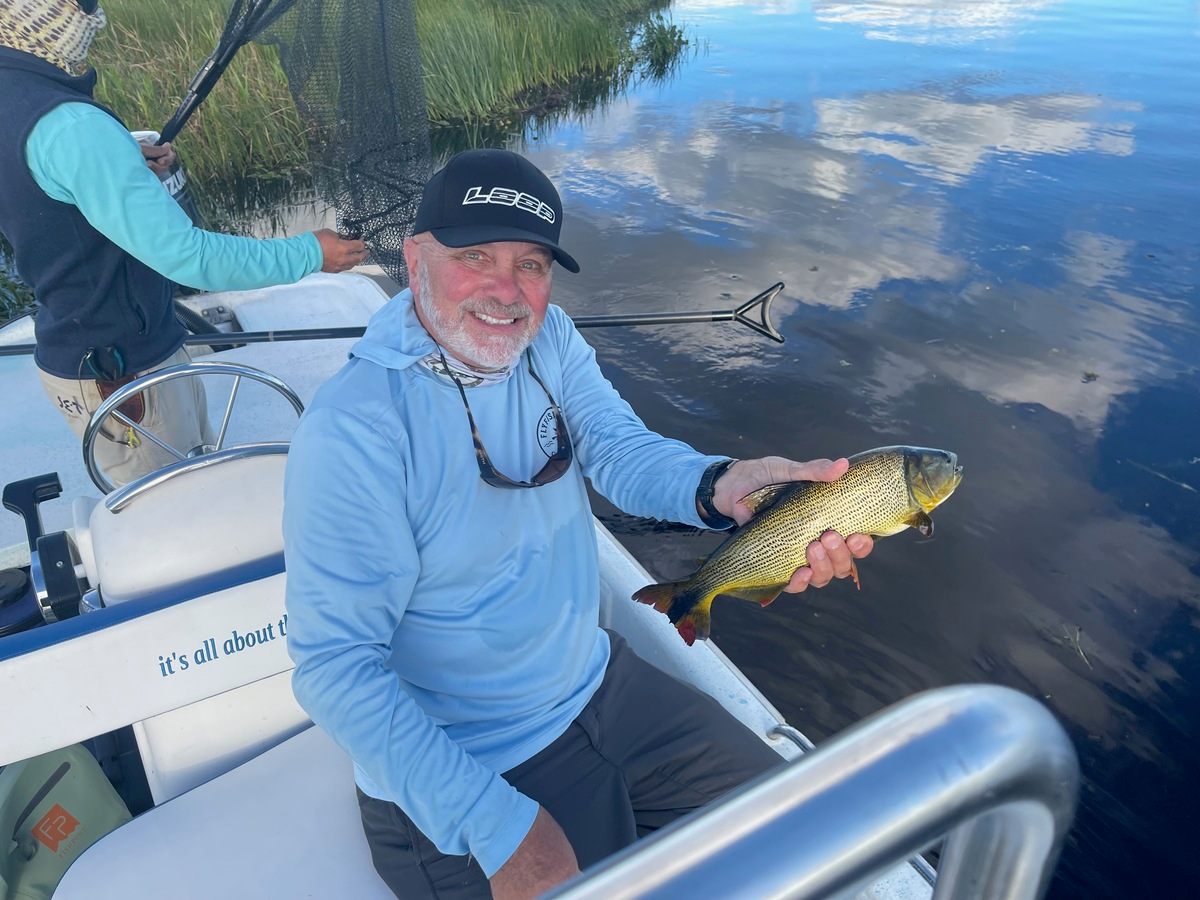
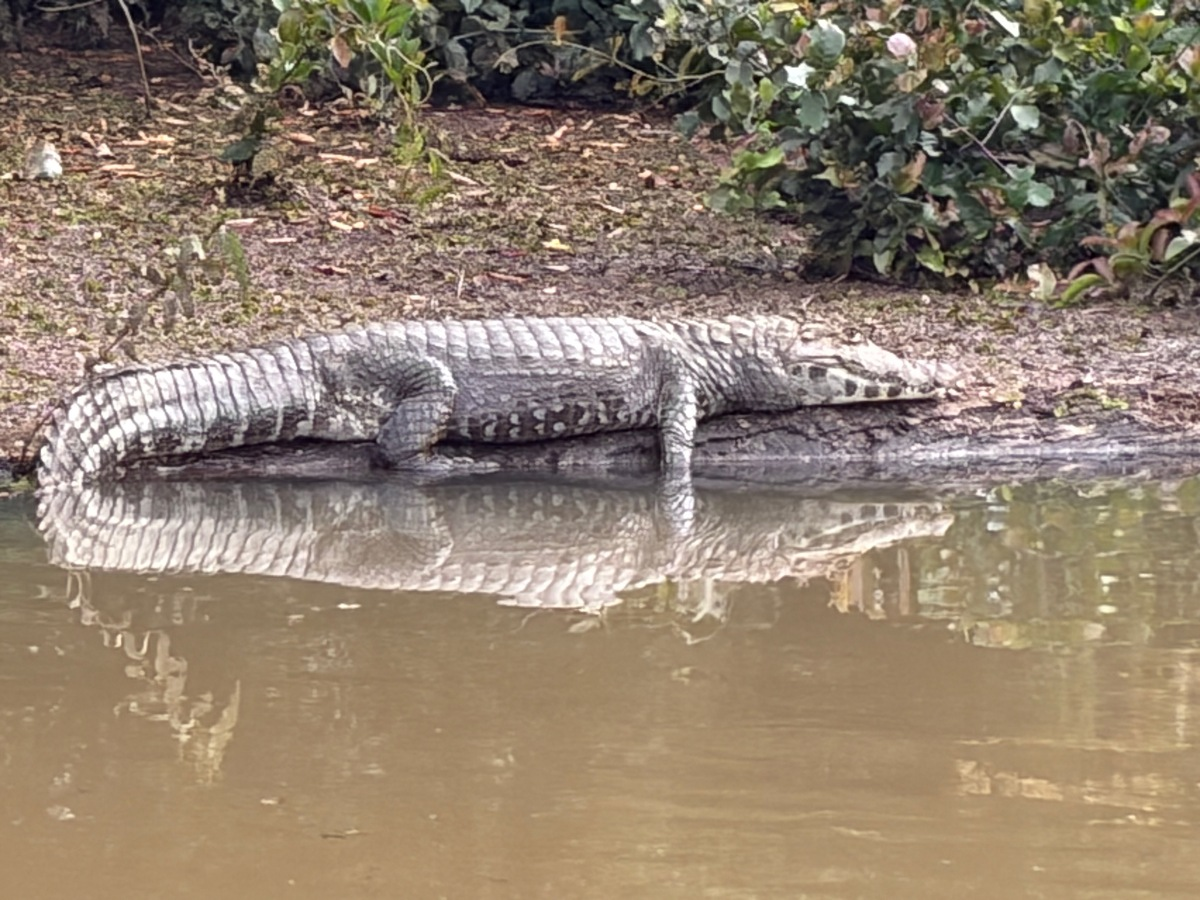
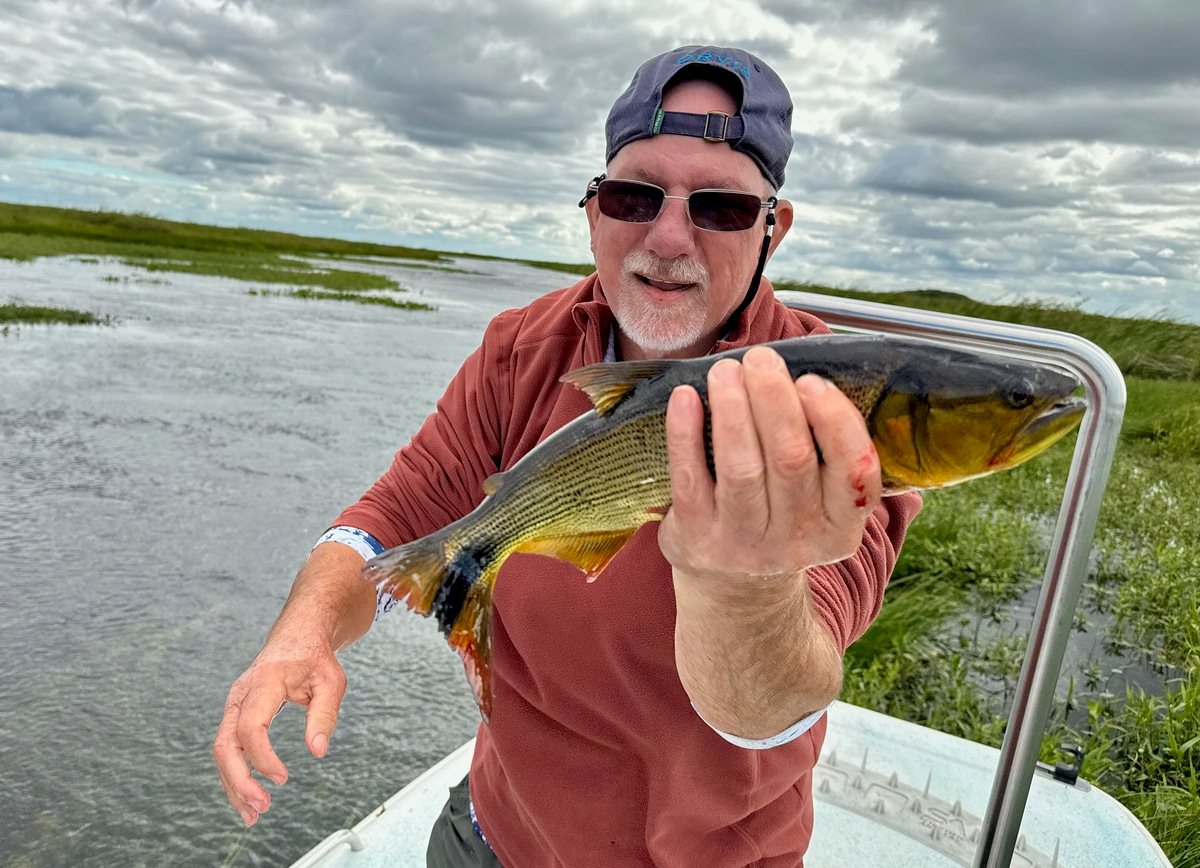
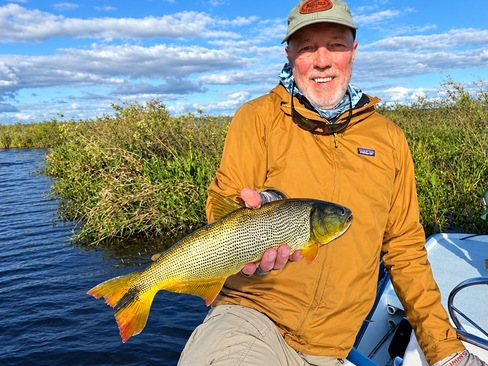
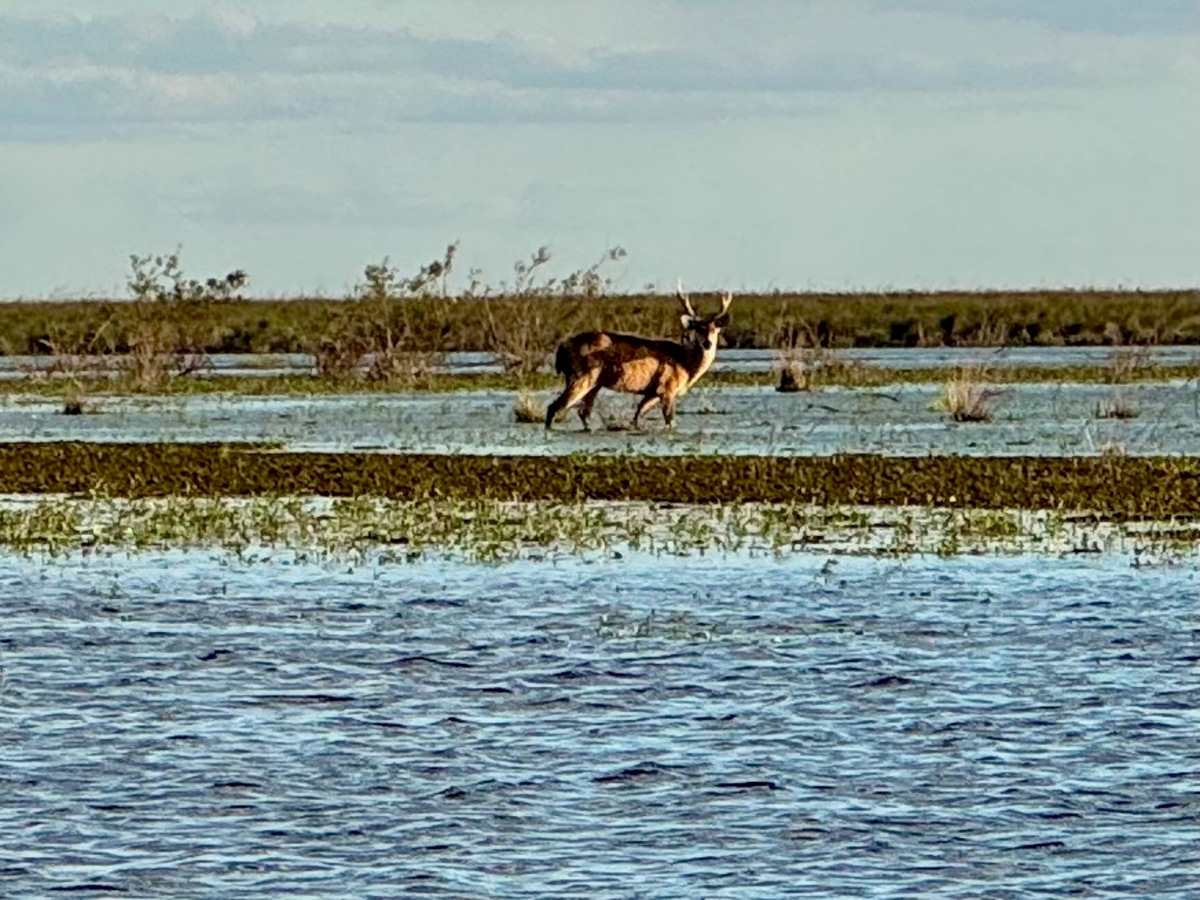
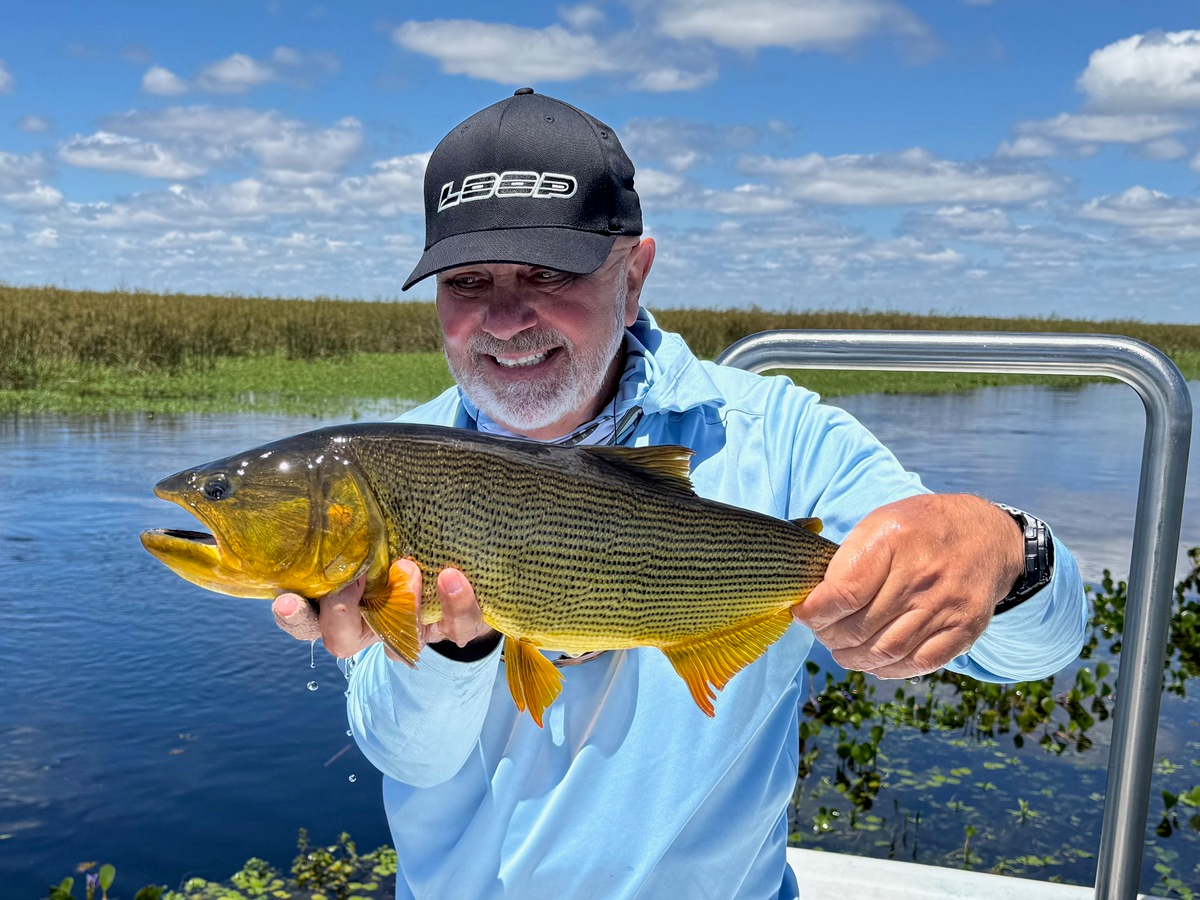
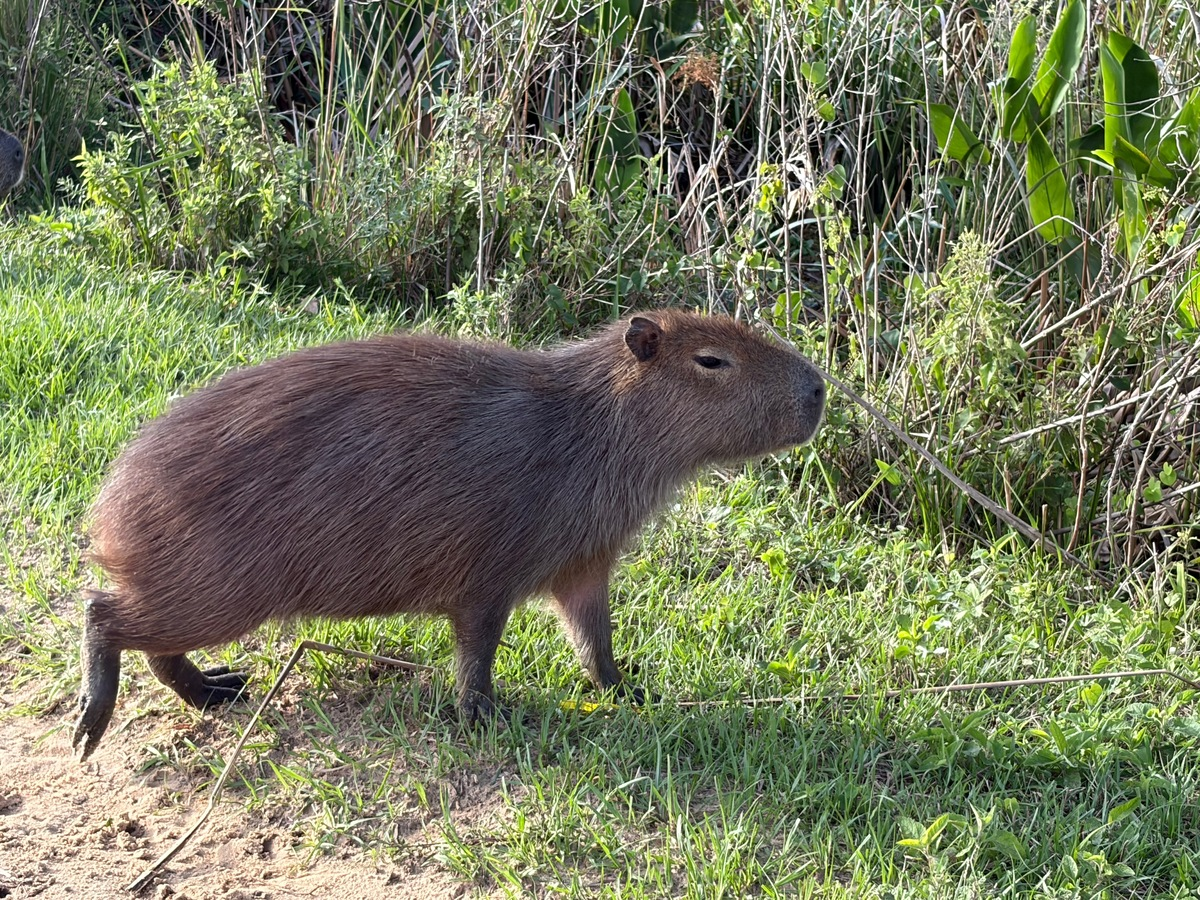
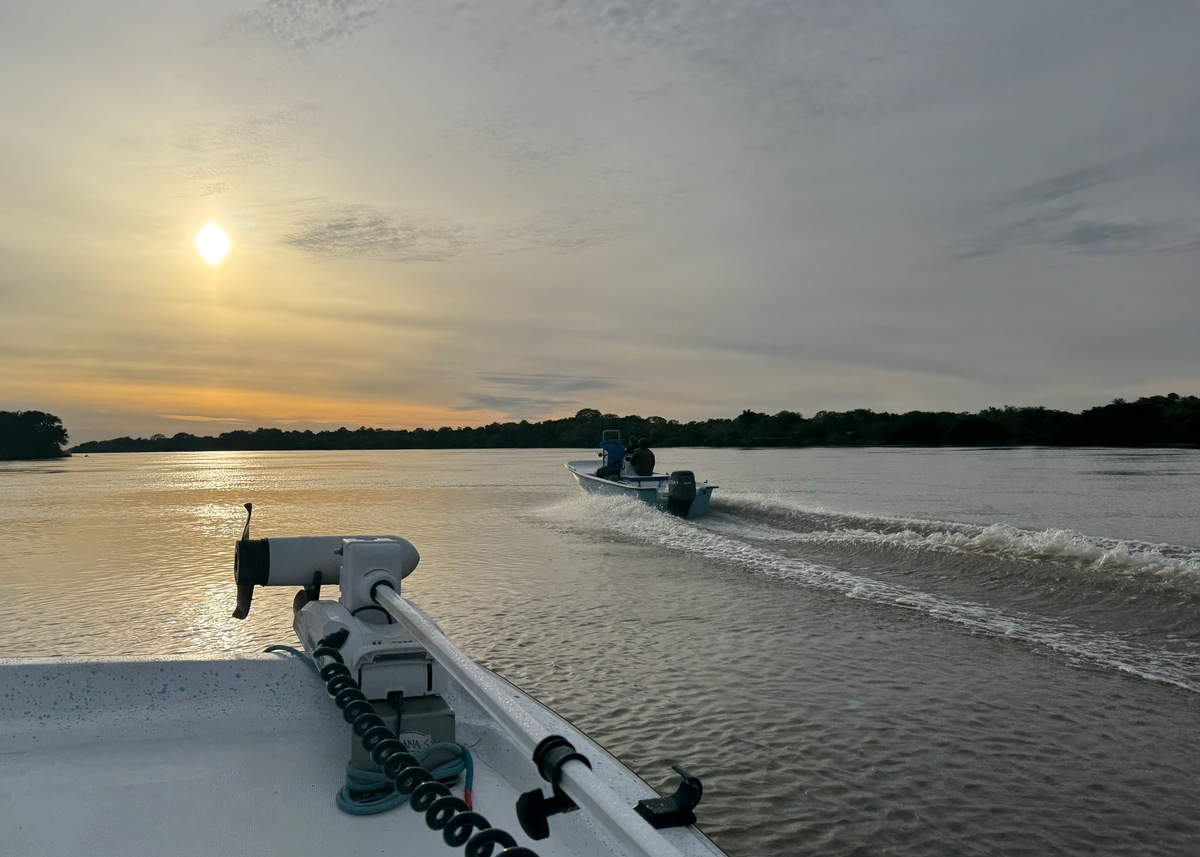
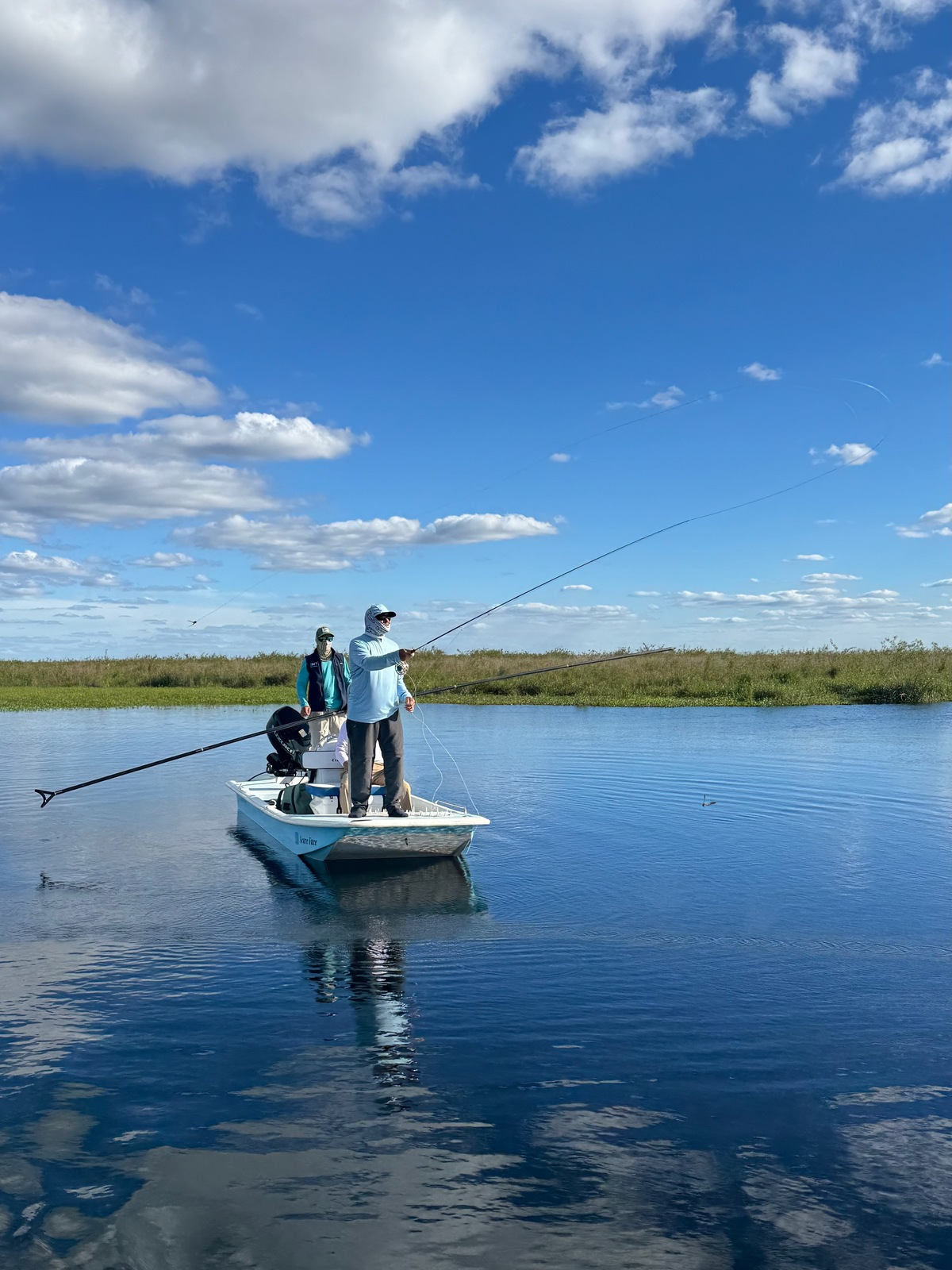
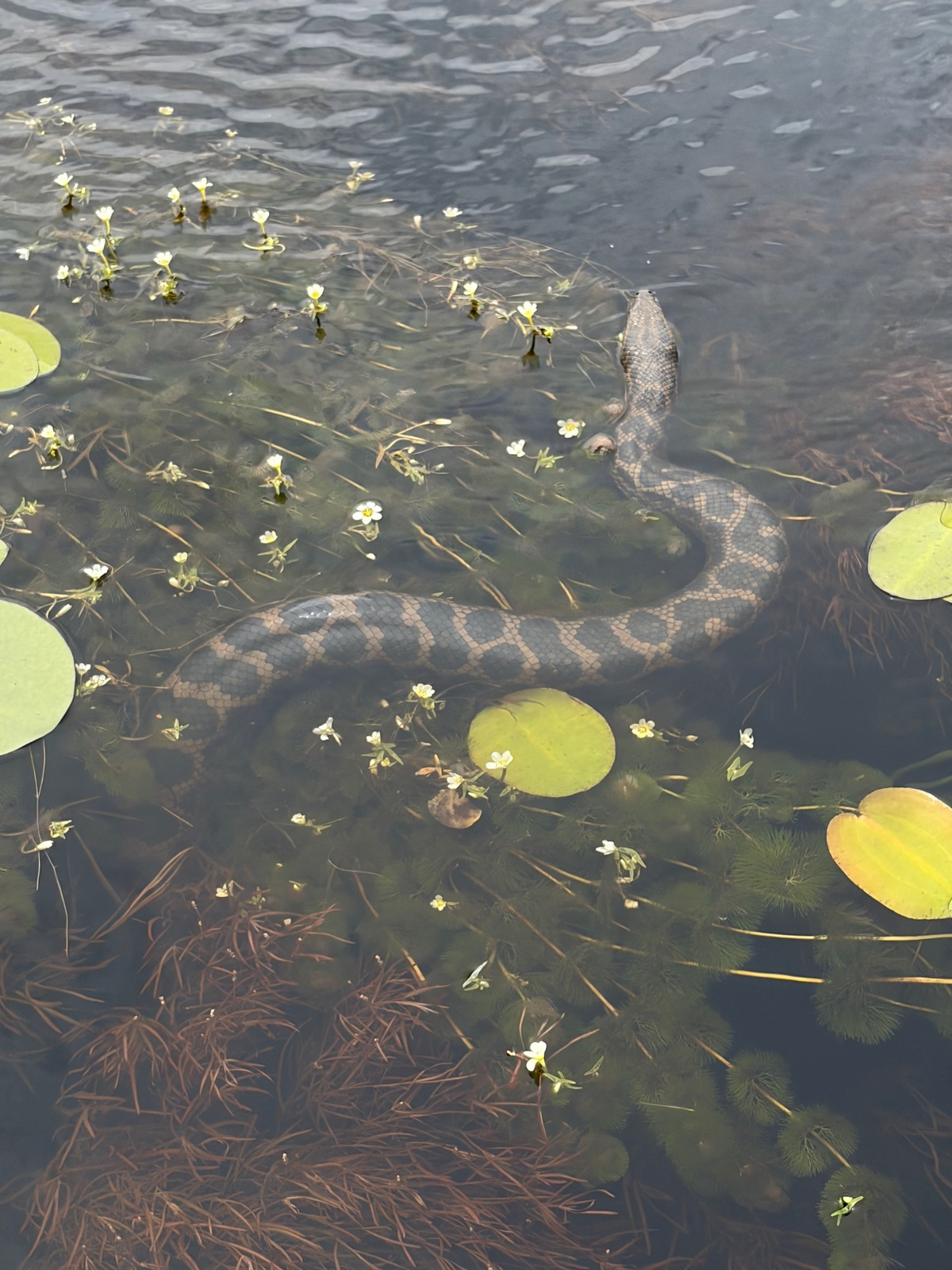
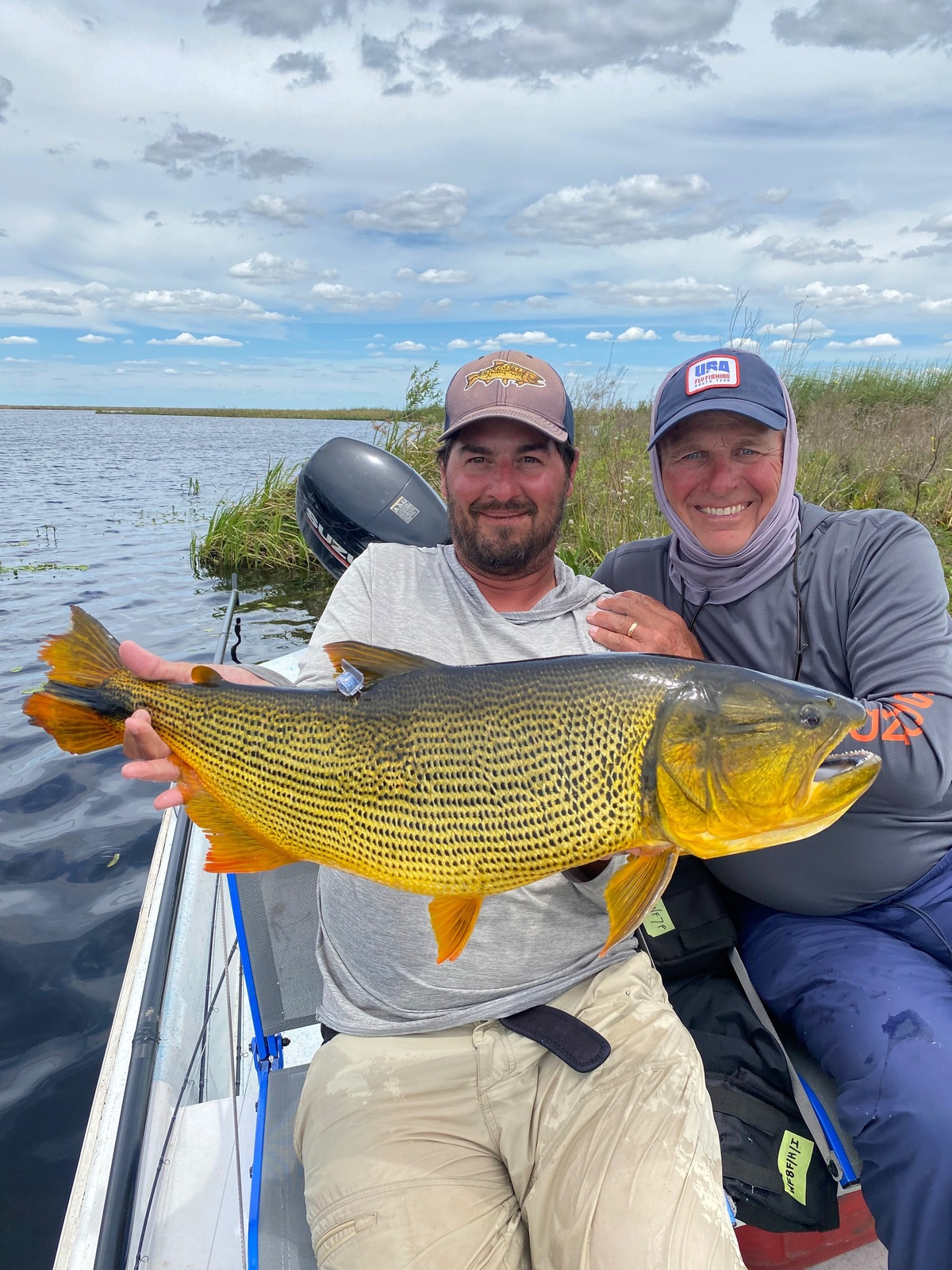
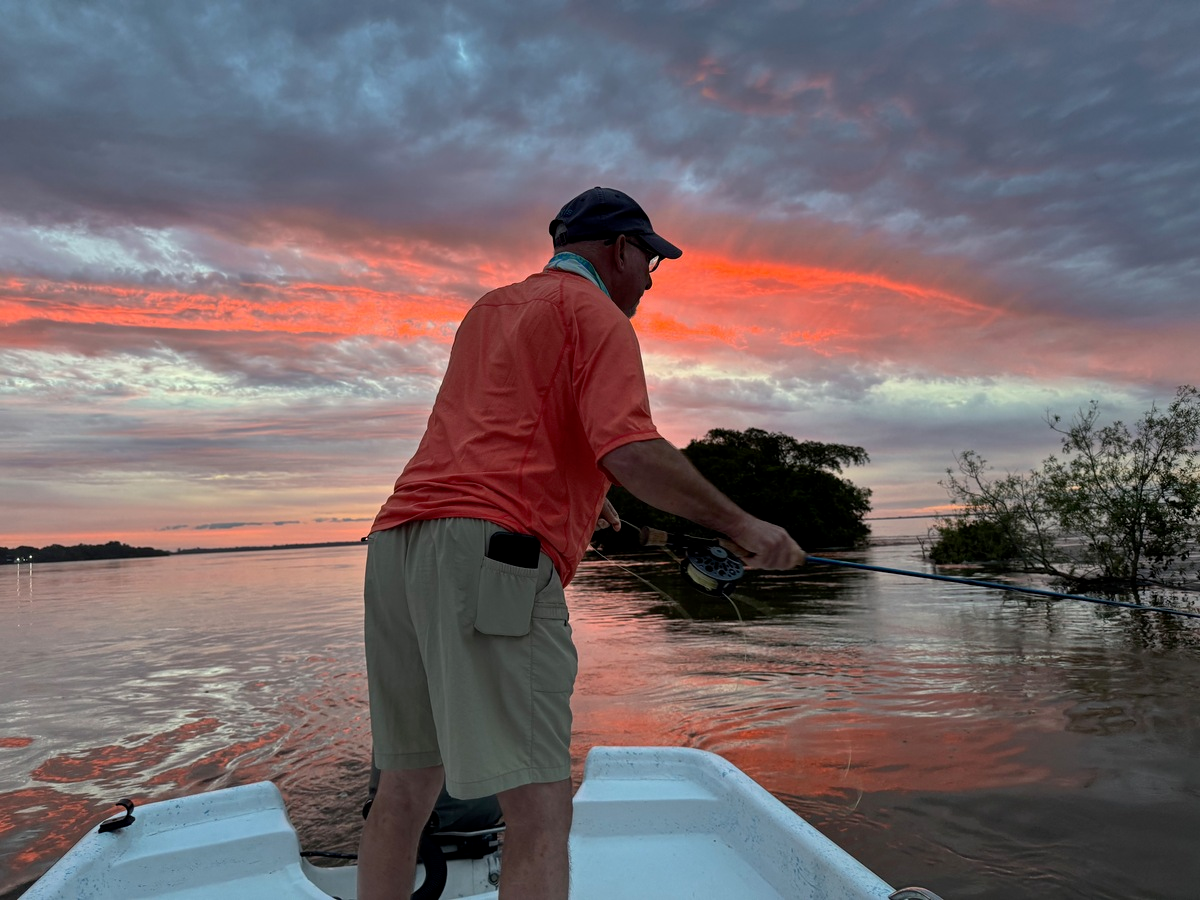
That evening, we stayed at a small hotel in Itatí, where traditional dancers, wine, and dinner made for a memorable welcome. An early start awaited us: our first day of fishing. We planned to fish the wetlands from early morning through the evening. There were north and south encampments, with a main camp between them. The three FATC anglers and Jason Randall headed to the north camp; the others went south. We focused on golden dorado, said to be smaller but more plentiful here, and had some success, as the photos show. The wildlife was remarkable: unfamiliar birds, caimans, capybaras—the world’s largest rodents—anacondas, marsh deer, and more. Still, golden dorado were the reason we had come.
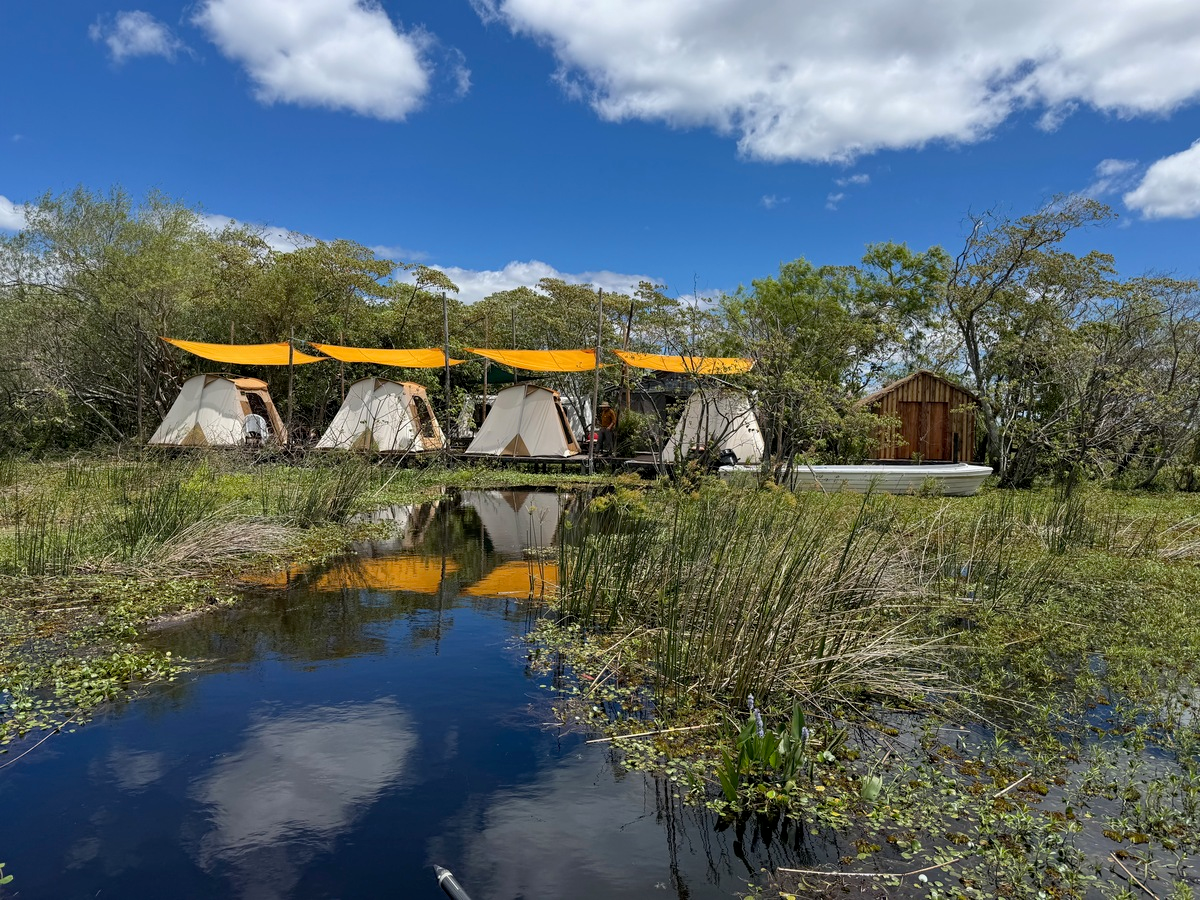
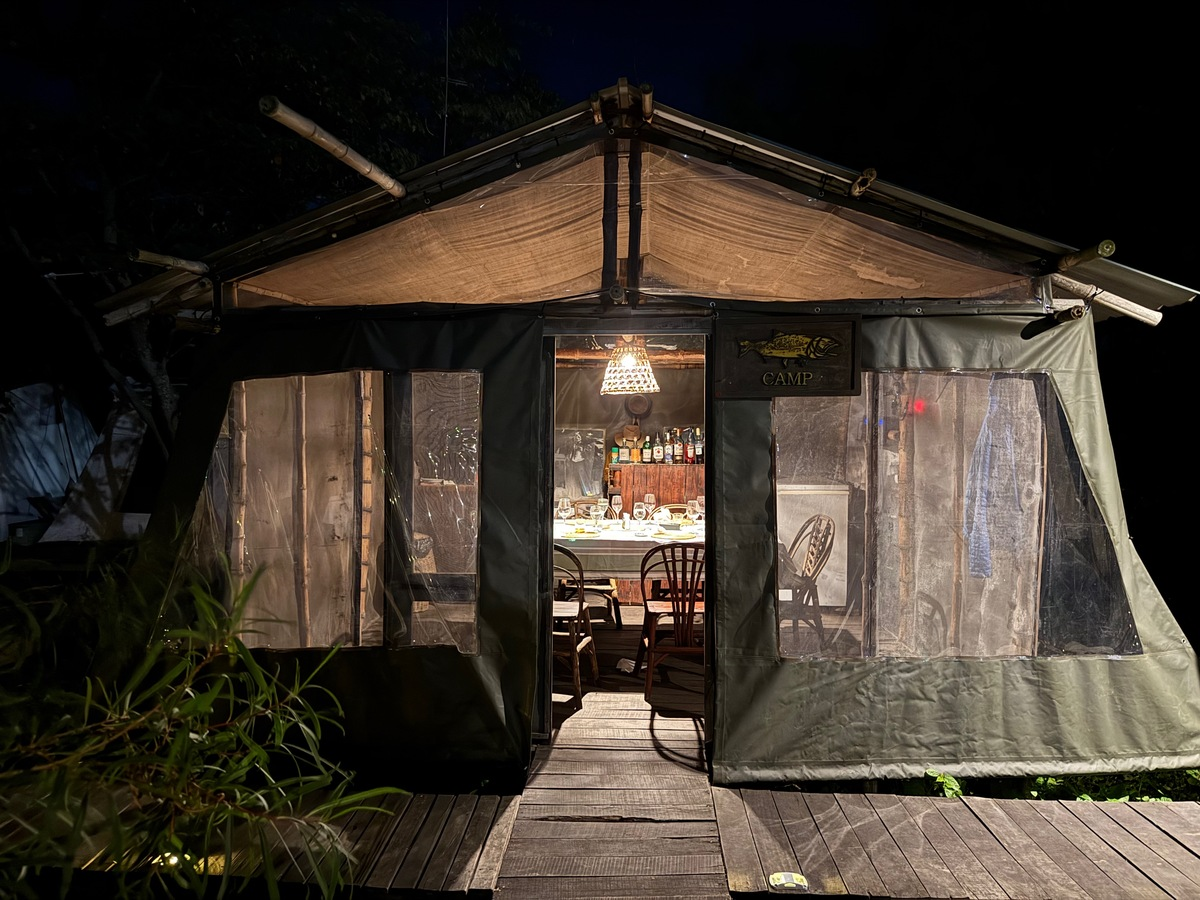
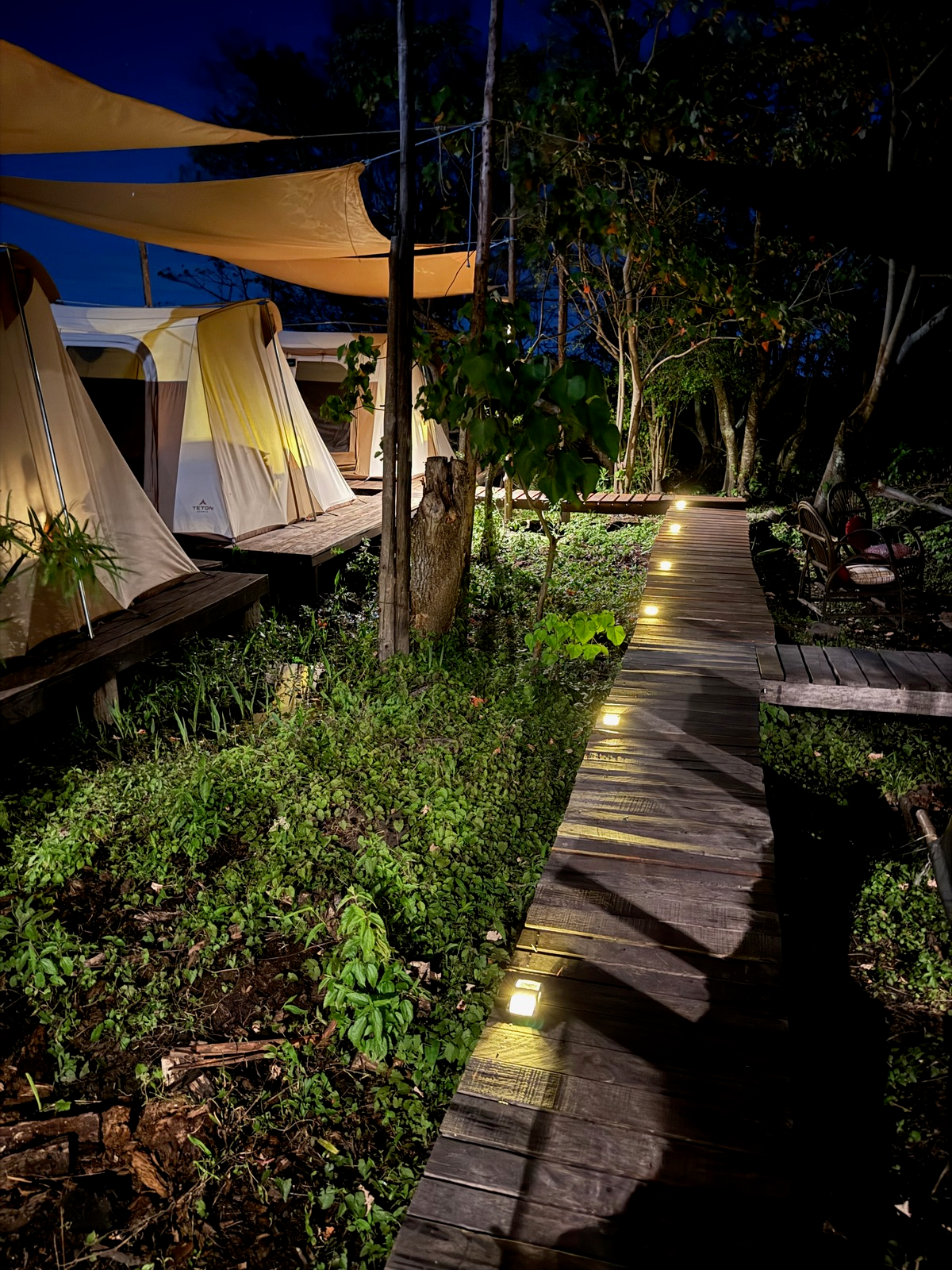
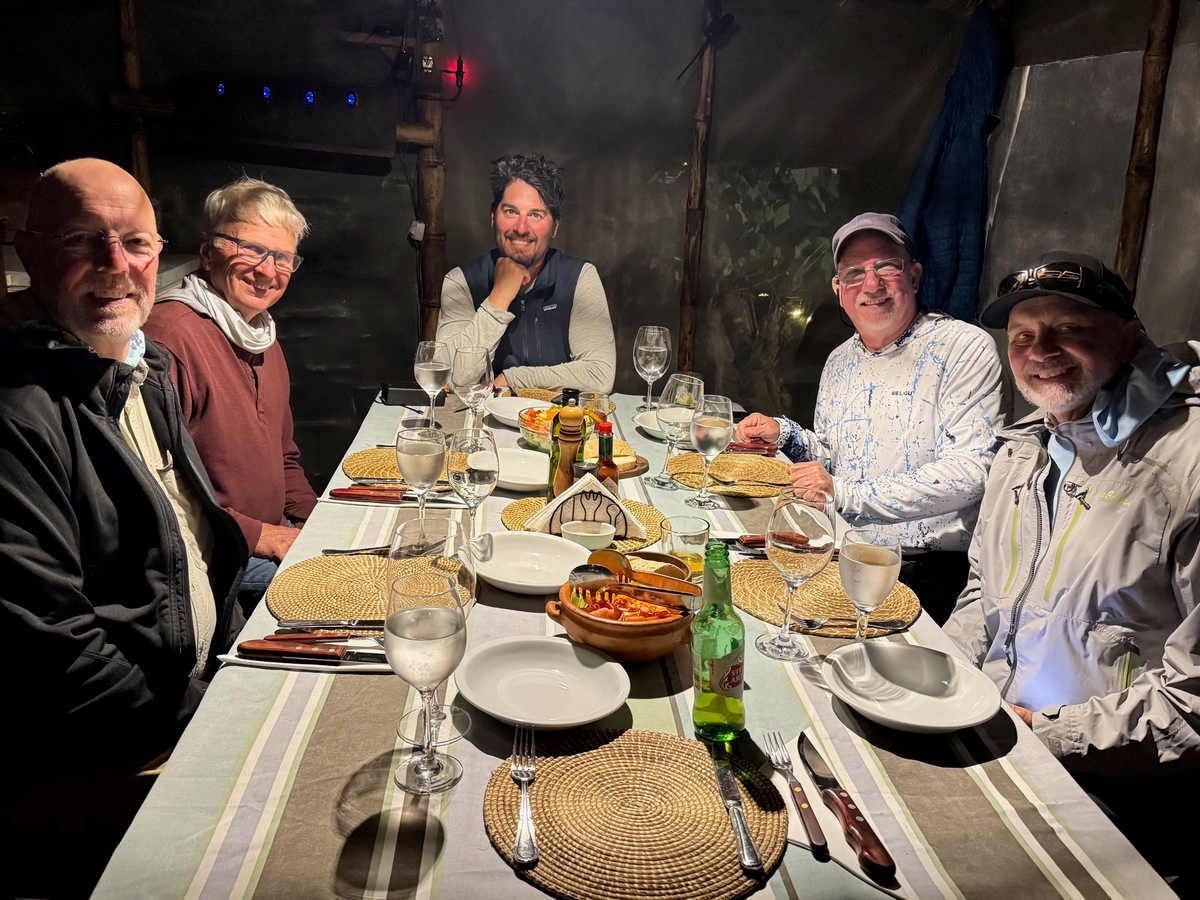
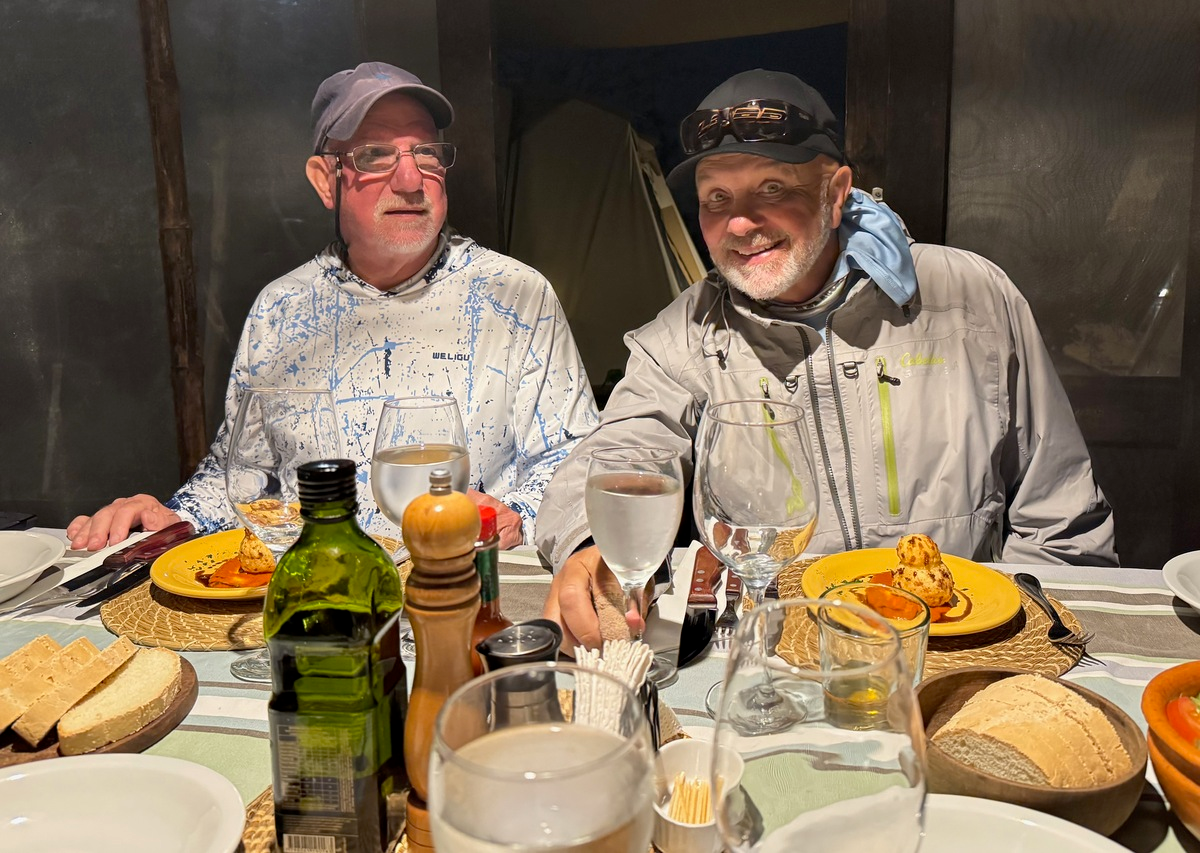
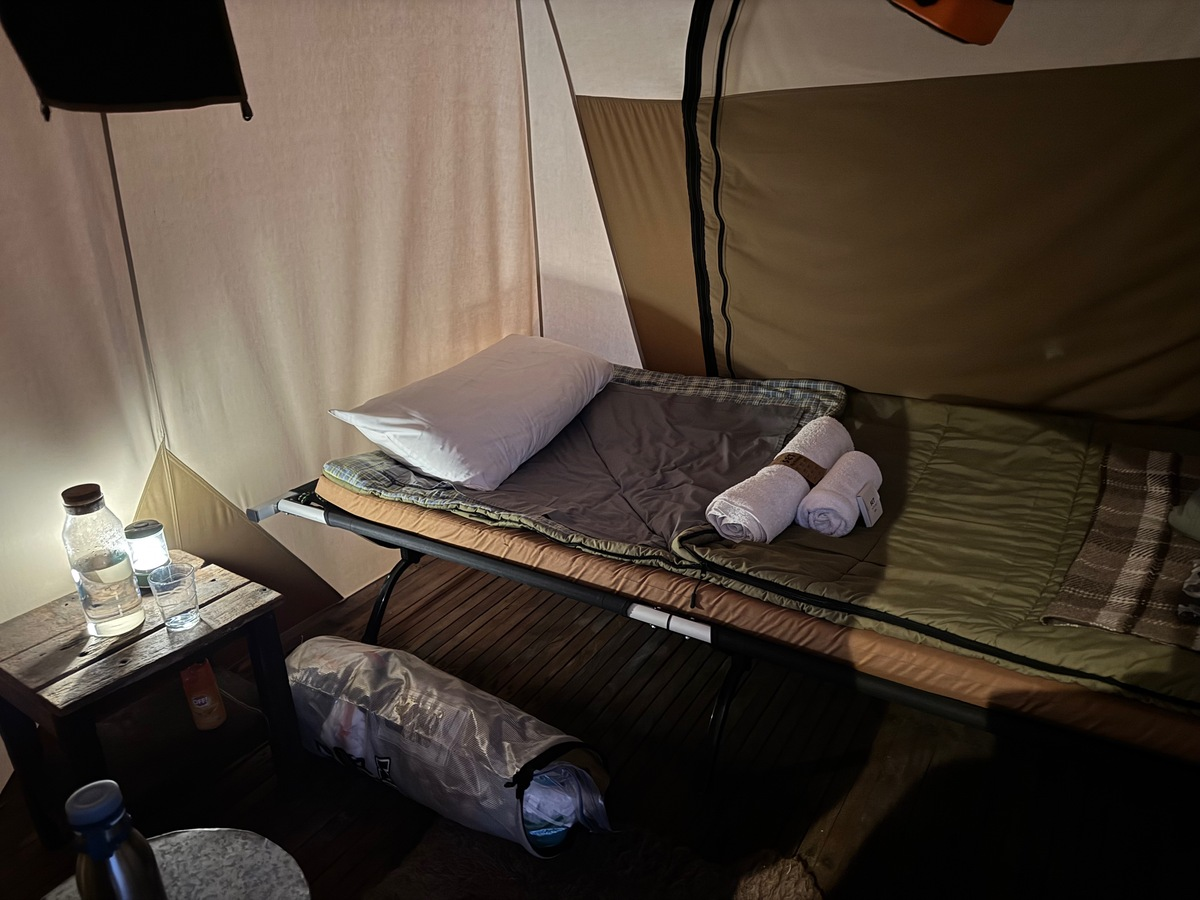
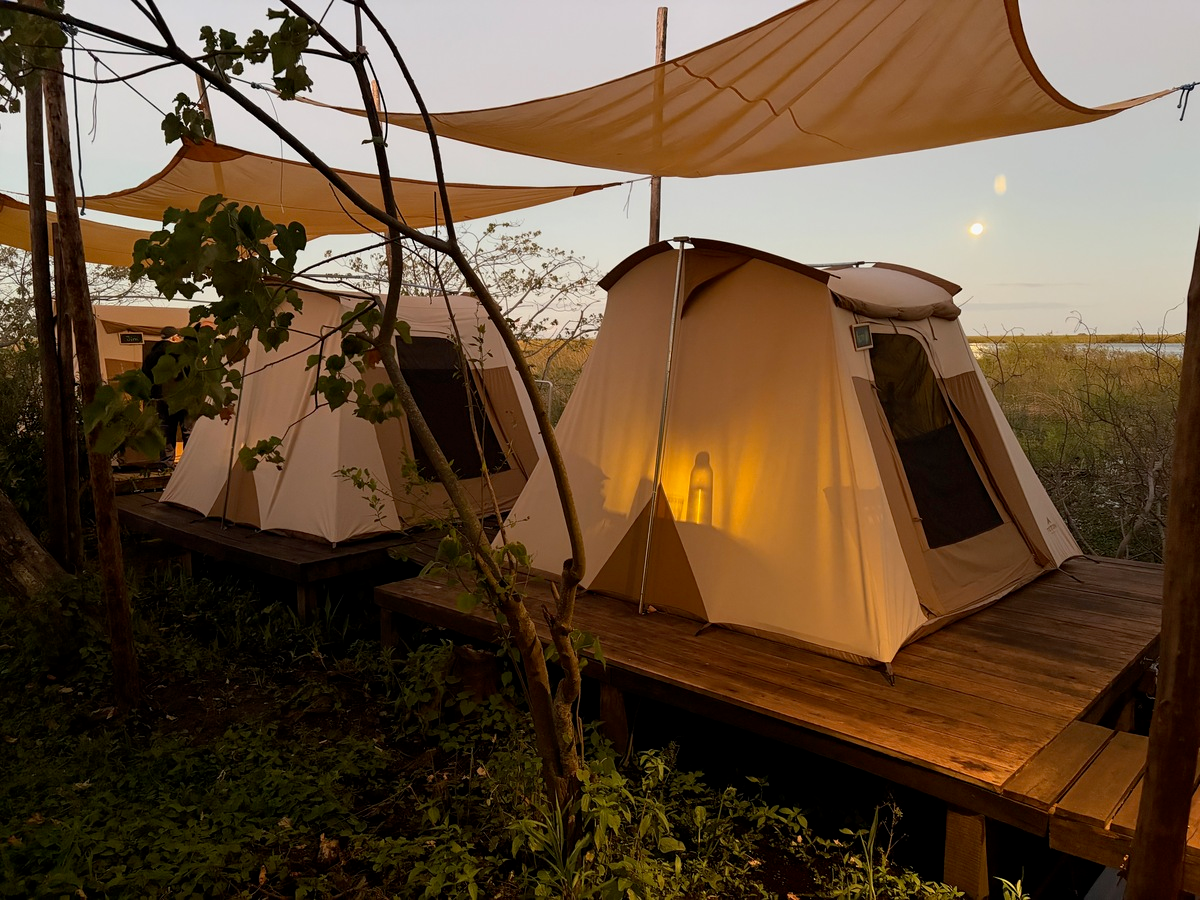
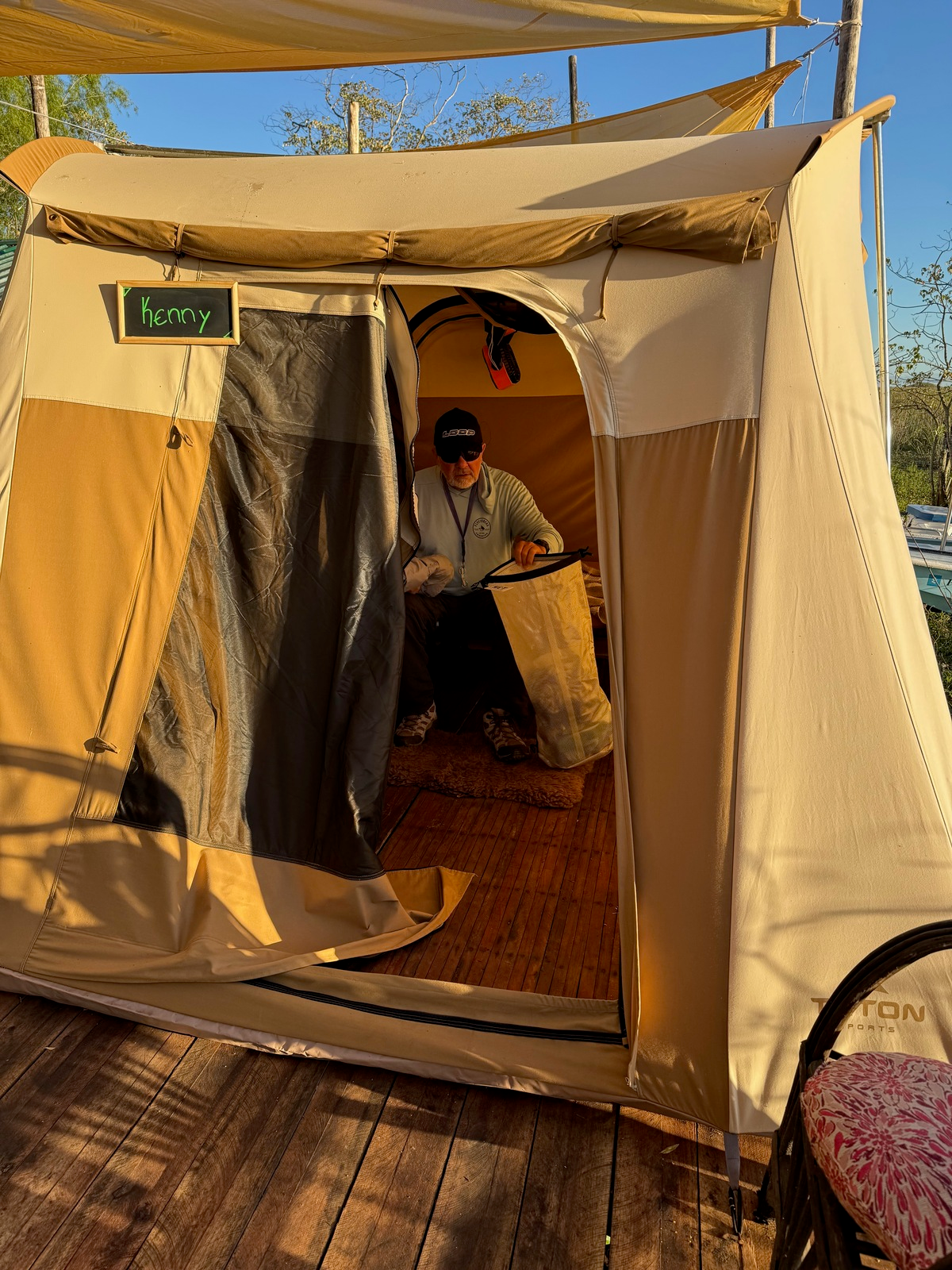
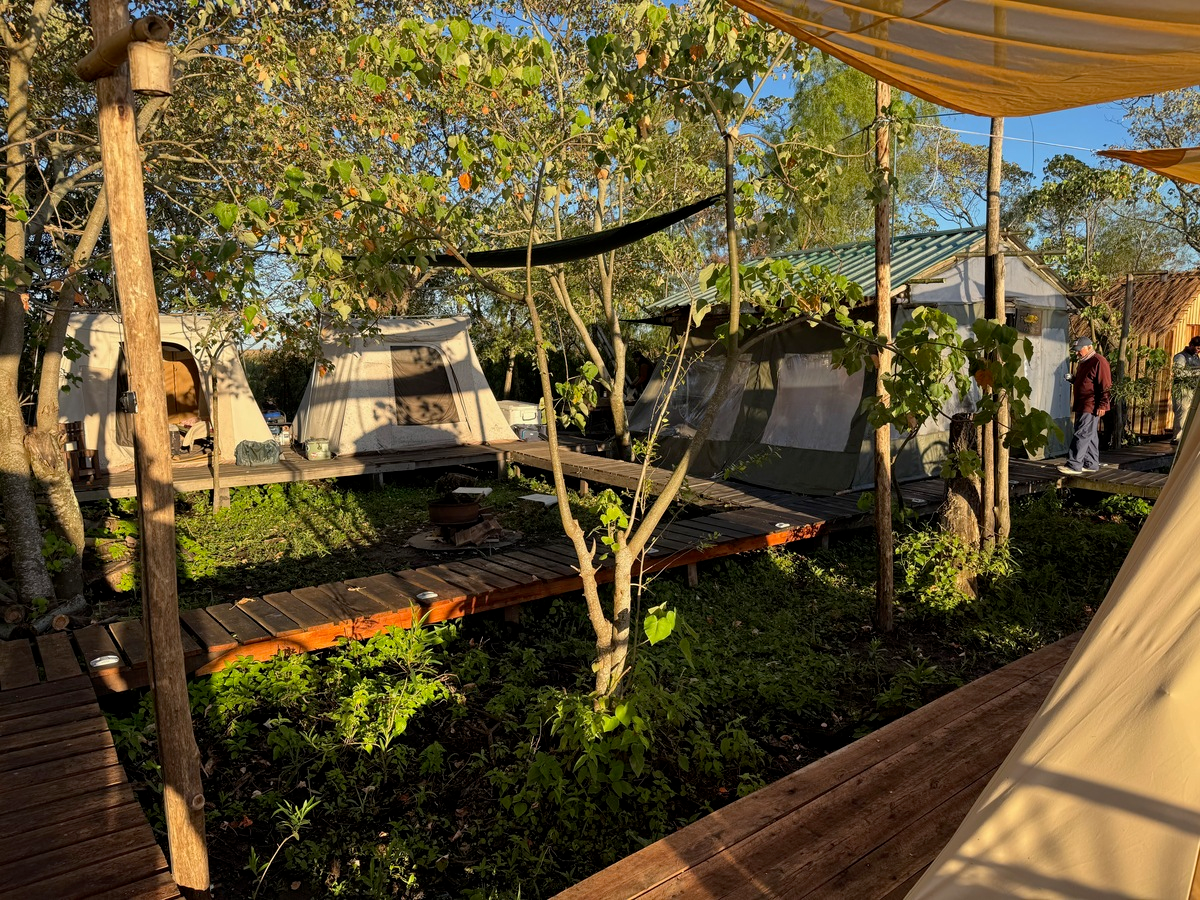
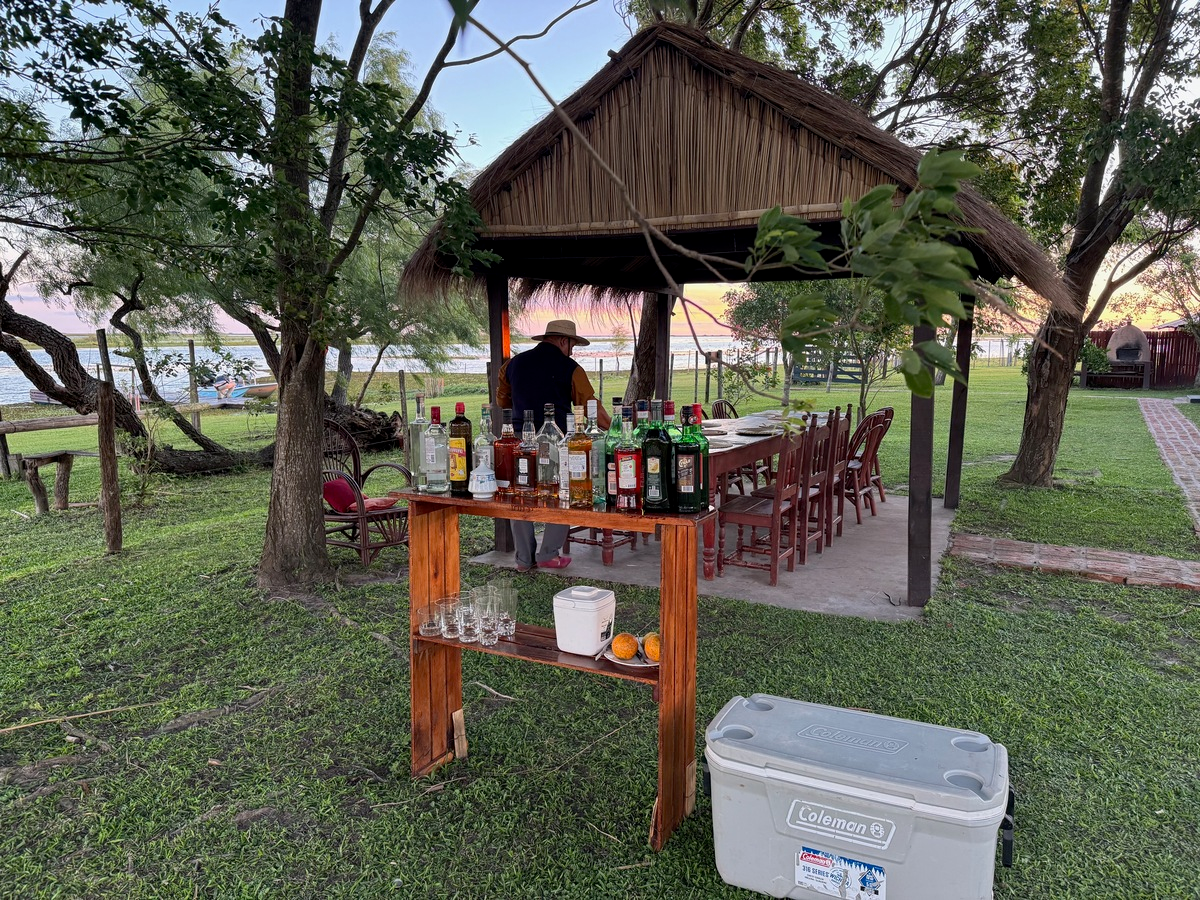
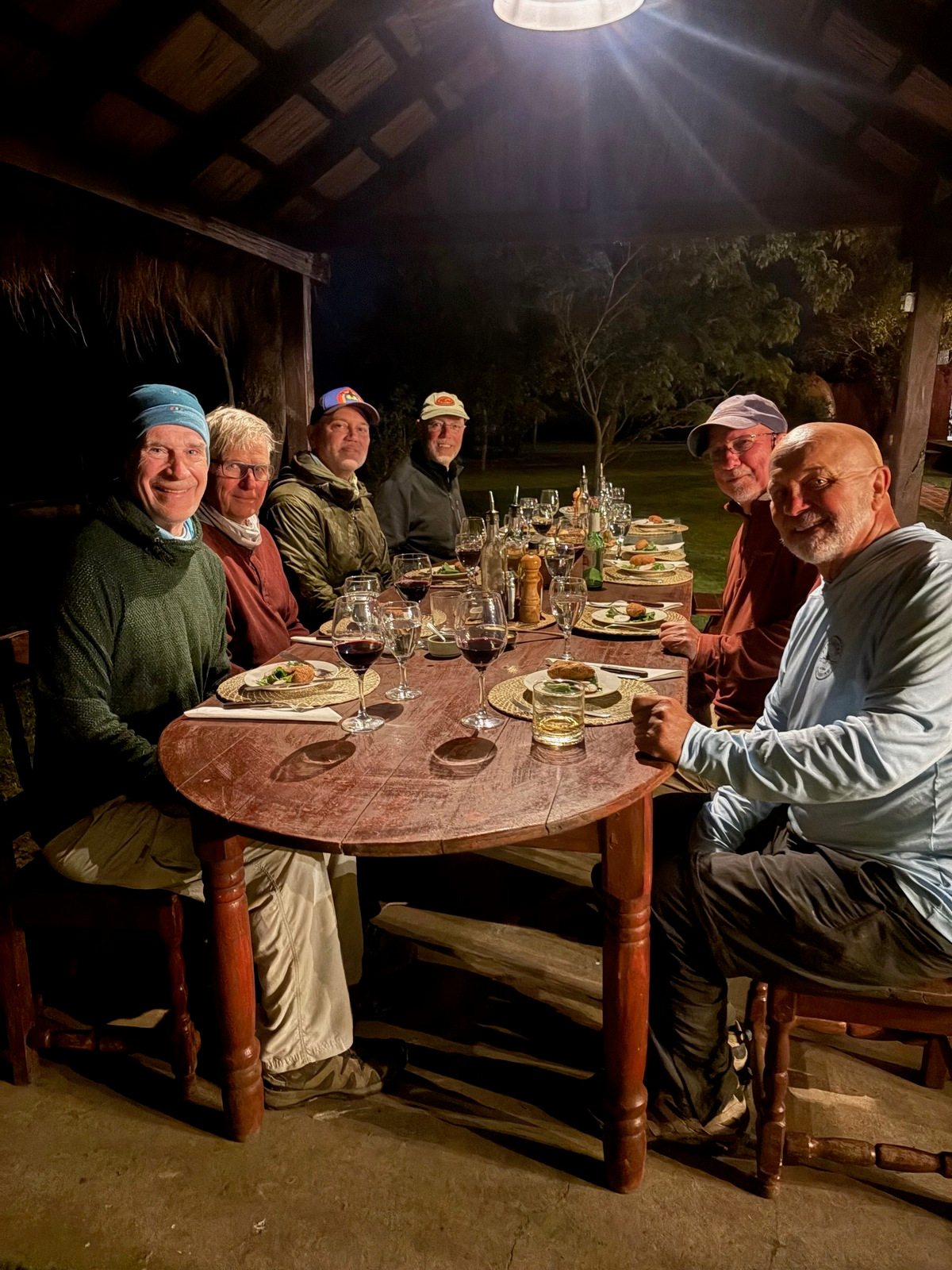
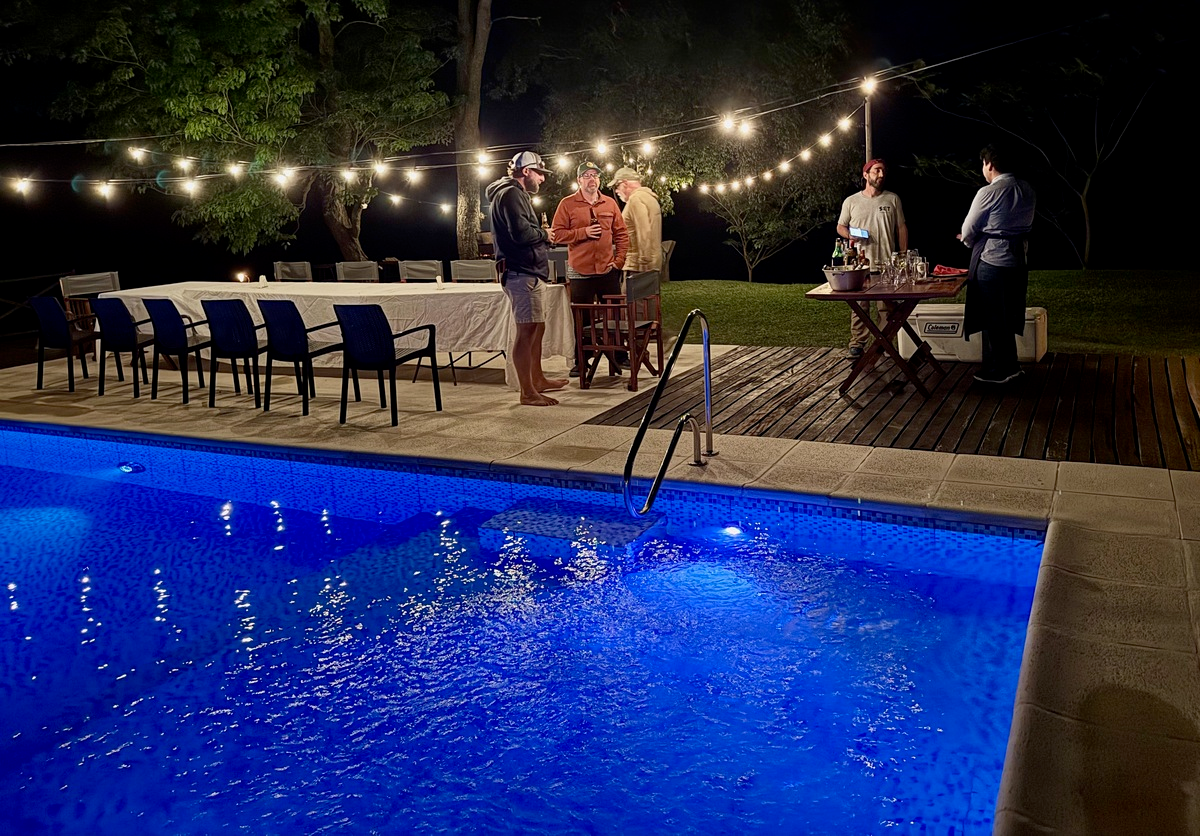
Strong winds made casting difficult on the first day, and few anglers caught fish. Back home, we avoid naming the wind and call it the “W”; the Argentine guides called it the “unholy”! That evening, we headed to the north encampment. Sleeping in tents? We weren’t sure what to expect, but the camp amazed us. The tents stood on wooden platforms and offered all the comforts of home—true glamping. A table was set for six, and the chefs prepared some of the best filet mignon we had ever tasted. Wine flowed freely and talk of better fishing was on our lips. The night was crisp and cool beneath a sky full of stars.
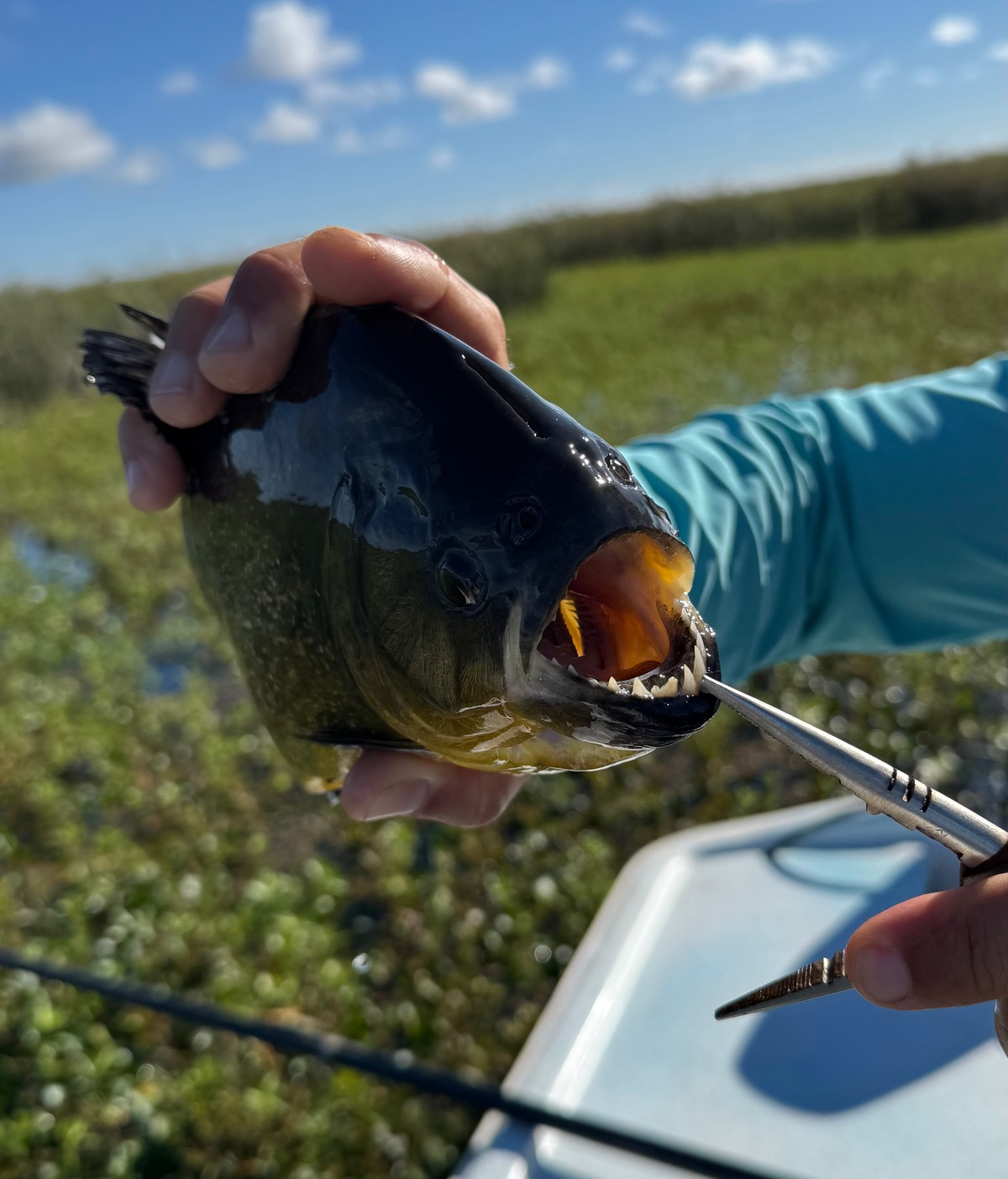
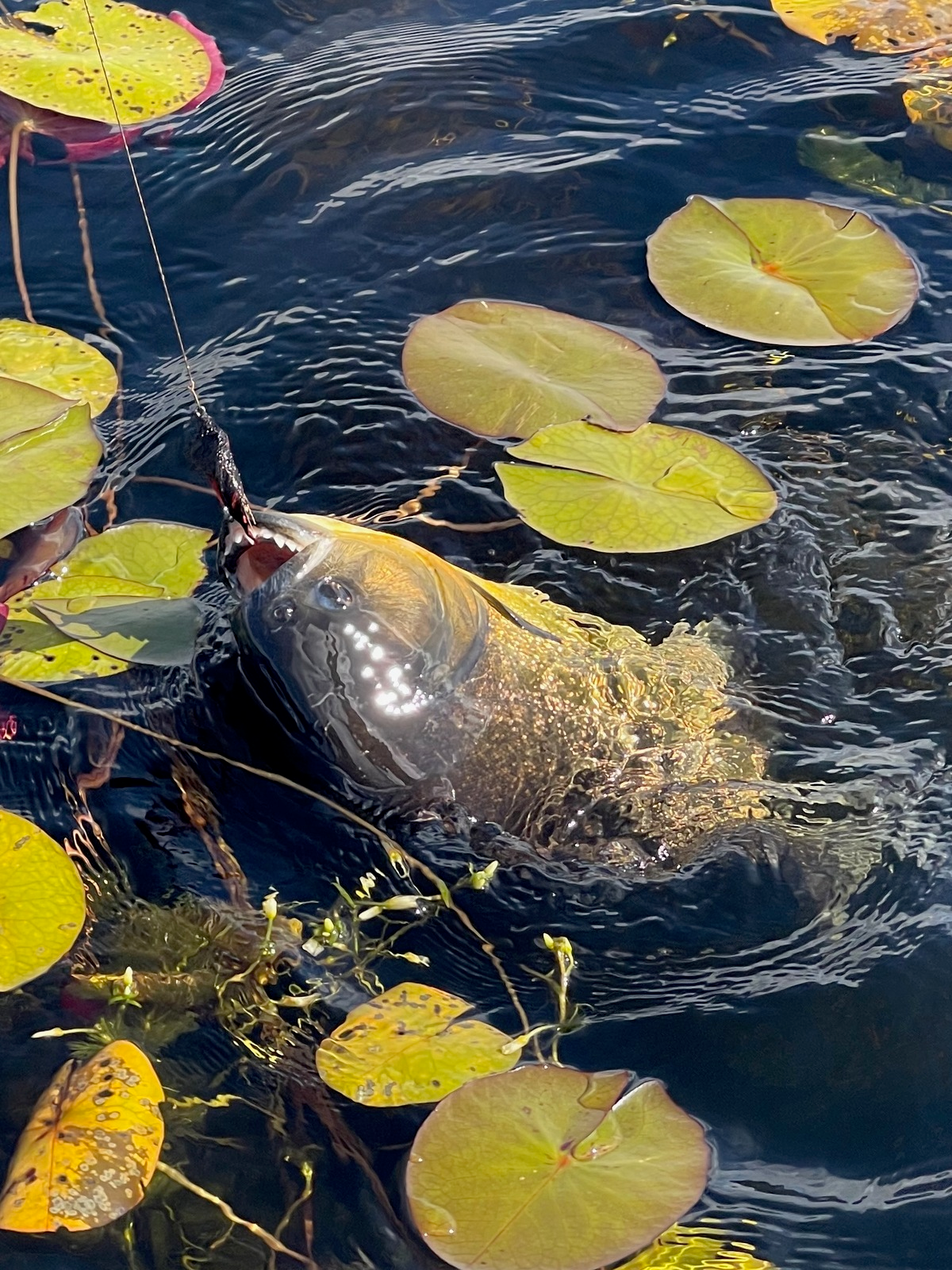
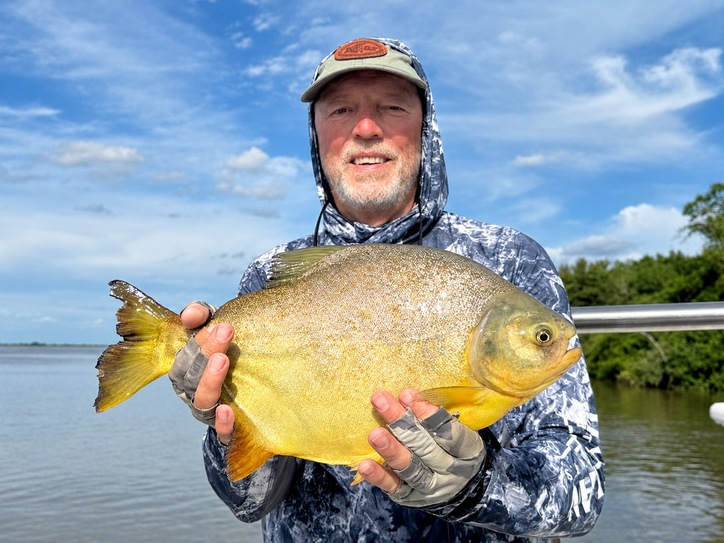
On the second day, the “W” eased, and we landed golden dorado of various sizes. Every fish put up a fight, leaping repeatedly and often throwing the hook back at us. The photos capture their beauty. We also caught palometa, a piranha-type fish with teeth that would make anyone think twice about entering the water. After another full day of fishing, we joined the other wetlands group at the middle camp for an excellent dinner and a night in cabins.
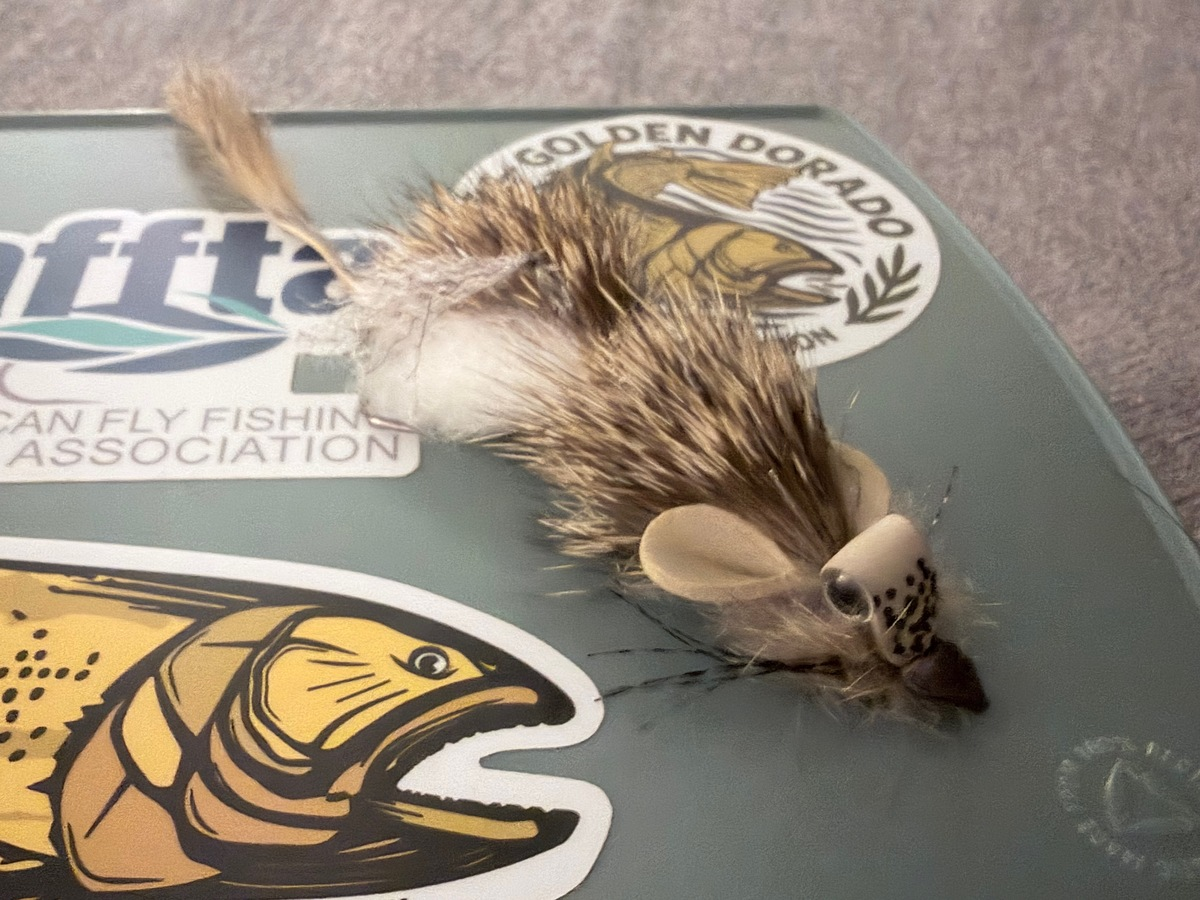
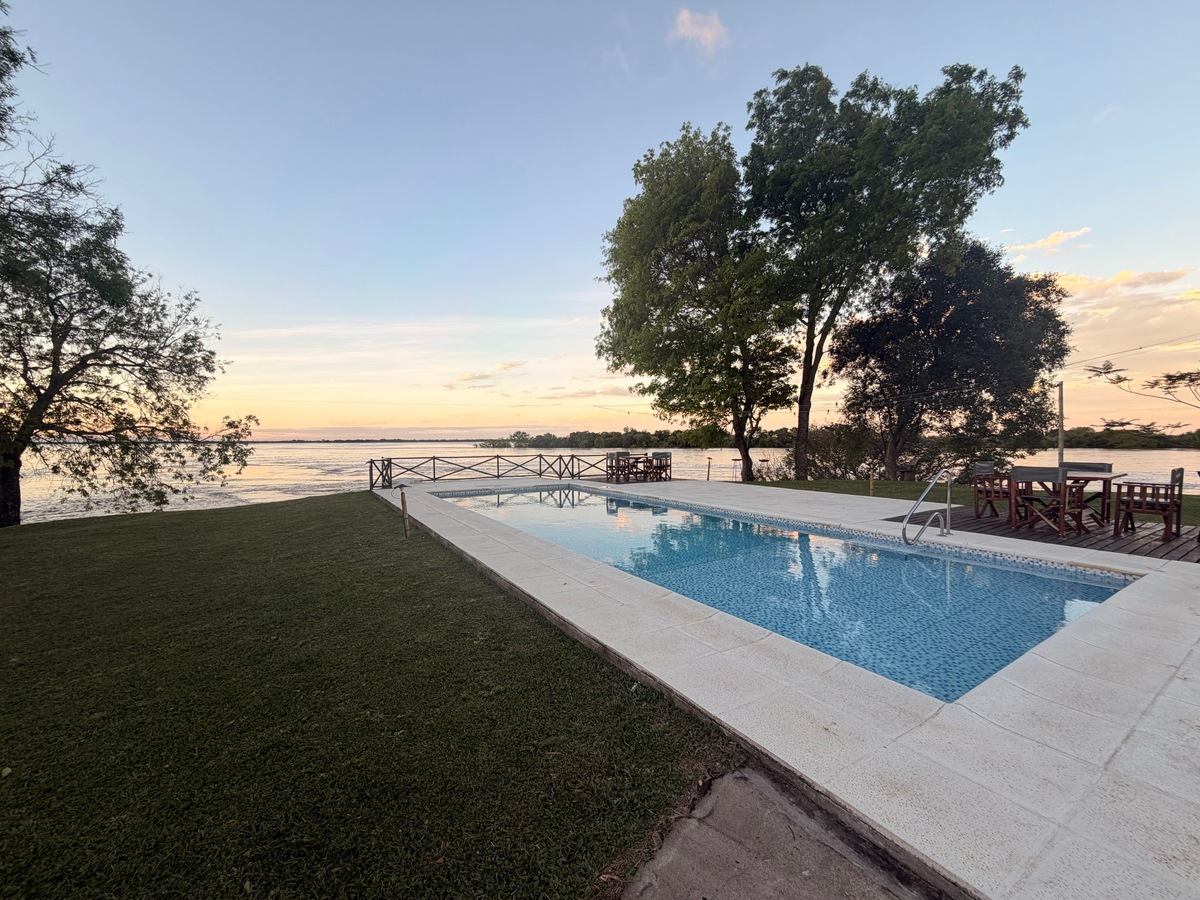
Our third day in the wetlands was a shorter one—just seven to eight hours of fishing! By then, the constant casting was tiring us out. Fishing one at a time from the boats gave us brief breaks between casting large flies. We finished around three o’clock and returned to the hotel in Itatí to collect the clothes we had left behind. Then we piled into three cars and drove to meet the group finishing its Paraná River stay. Now it was our turn to tackle the flooded river. After a wonderful dinner at the Paraná lodge, we discussed a plan with the guides, who faced the challenge of locating fish displaced by the flooding.
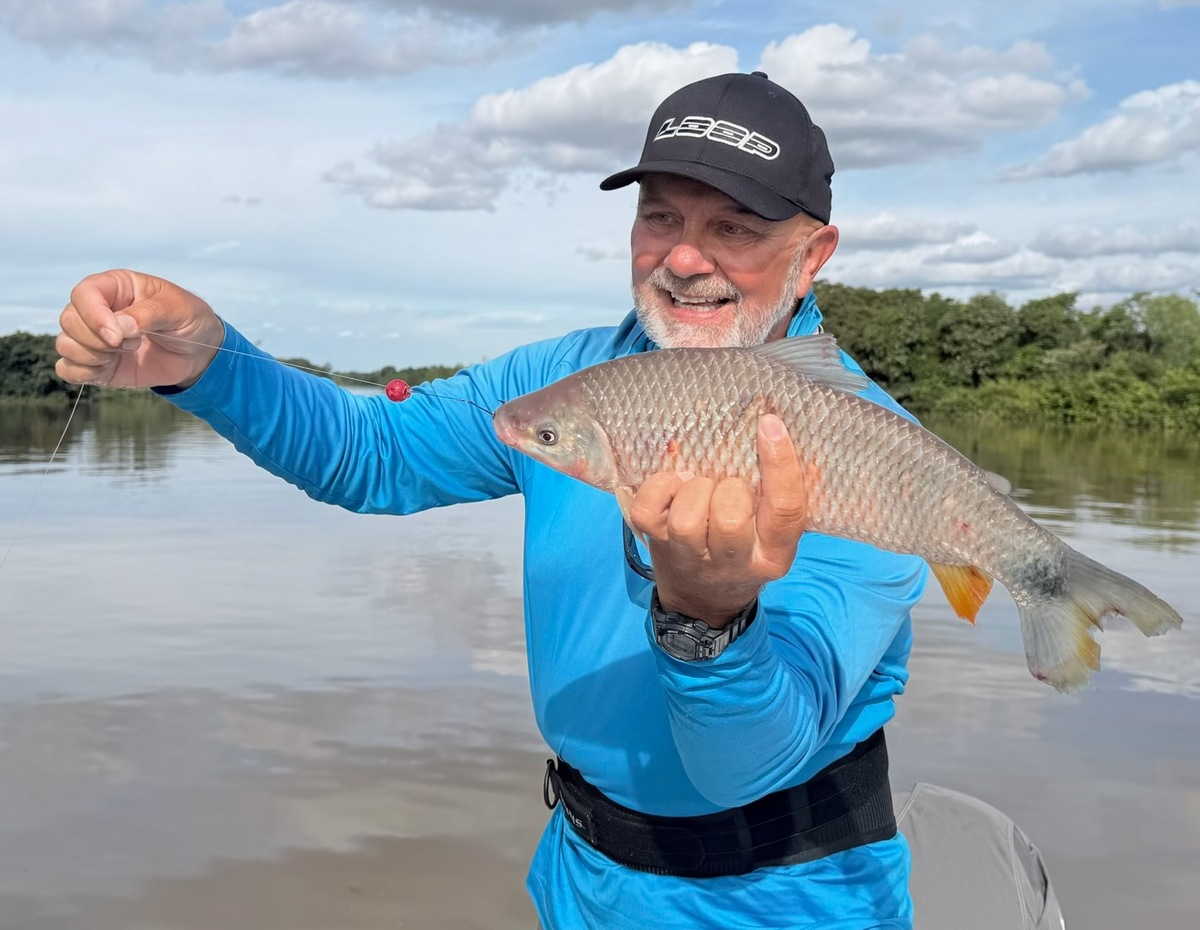
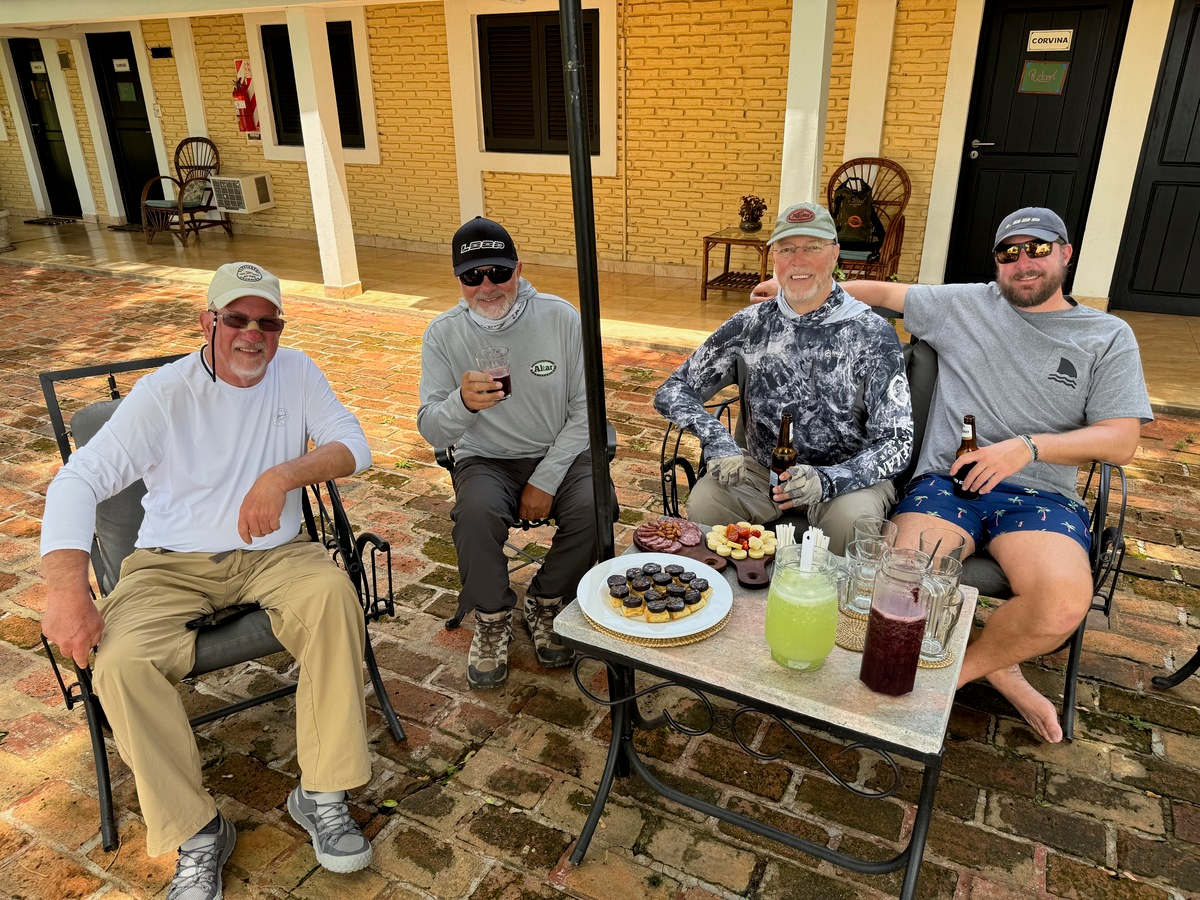
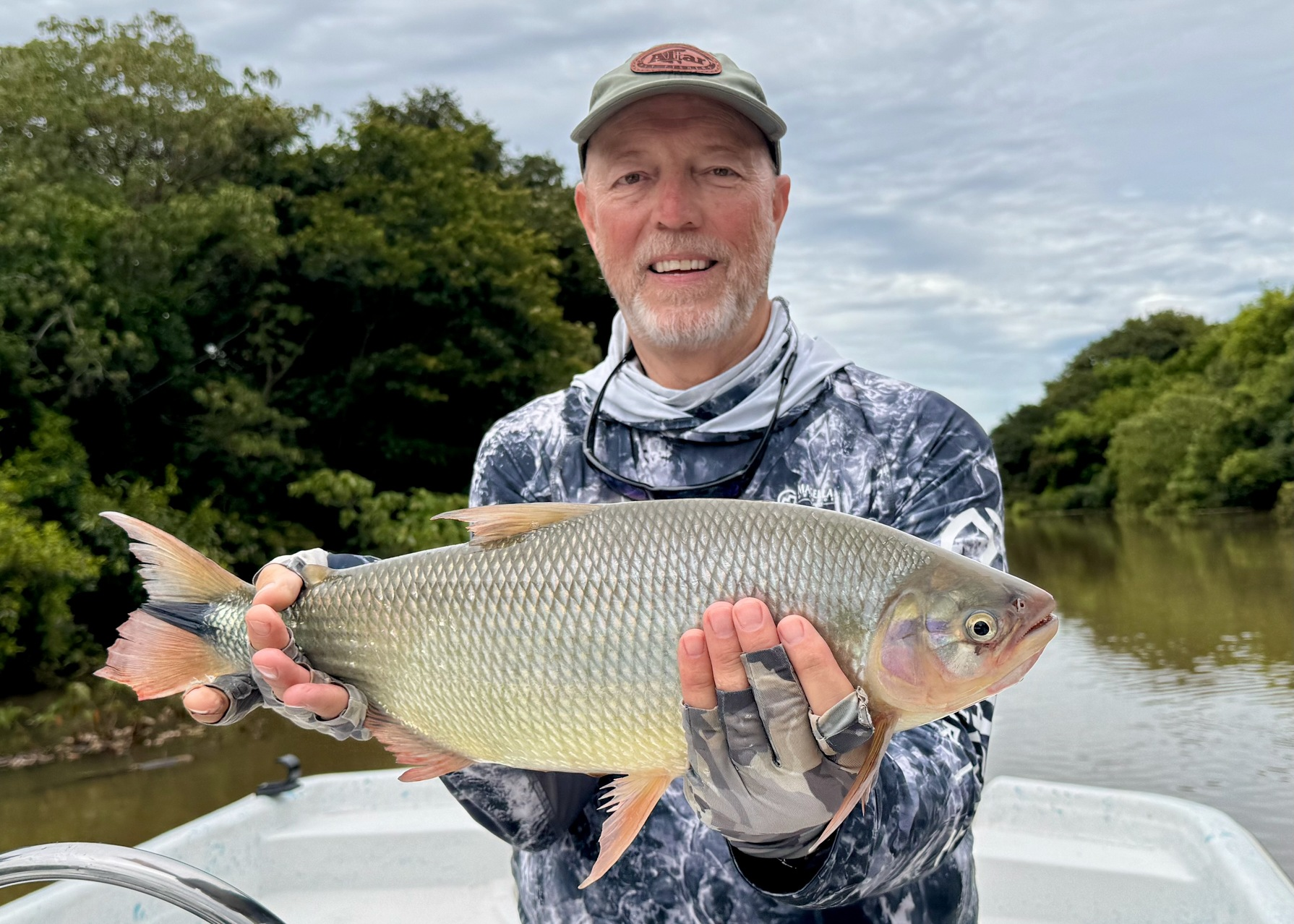
As always, breakfast came early—we were on a fishing trip, after all! For three days, we cast until our arms nearly gave out, searching for dorado in the mornings and evenings. We returned to camp around 1 p.m. for lunch and a siesta until 4 p.m. As the days grew hotter and the dorado stayed quiet, we learned a new technique: the “plop and drop.” To target fruit-eating fish, the guides fitted our lines with colorful beads about the diameter of a nickel. We cast them high, so they landed with a “plop.” Would it really work? It did: we caught pacu, pirapita, and boga. Despite our best efforts, the flooding made golden dorado extremely difficult to catch on the Paraná. That only strengthened our desire to return for another chance.
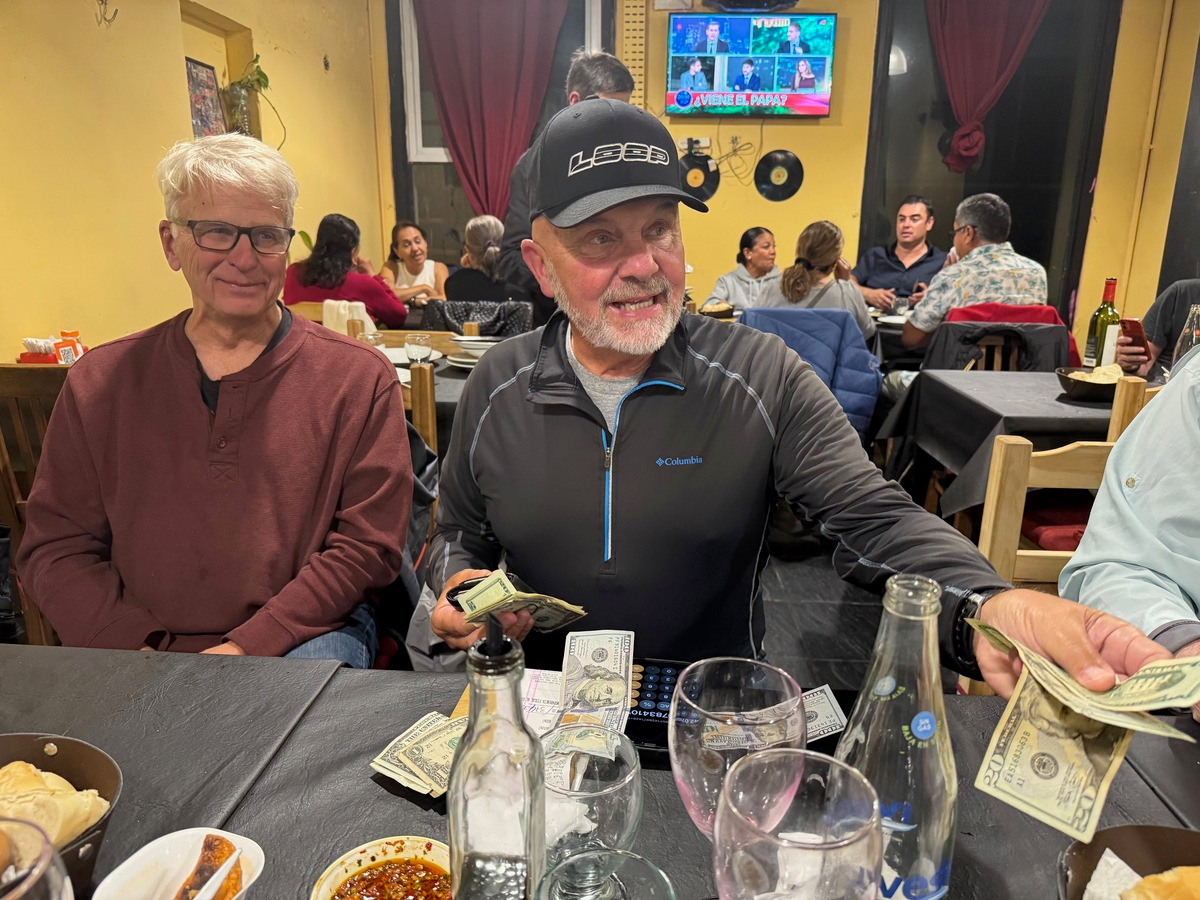
We returned to Corrientes on Friday evening, October 30, for a farewell dinner with all the anglers. After a good night’s sleep, Bob, Jim, and Kenny began the long journey home on Saturday, October 31: Corrientes to Buenos Aires, then Santiago, Chile, Atlanta, Georgia, and finally St. Louis. About 25 hours of nonstop travel. Was it worth it? Absolutely!
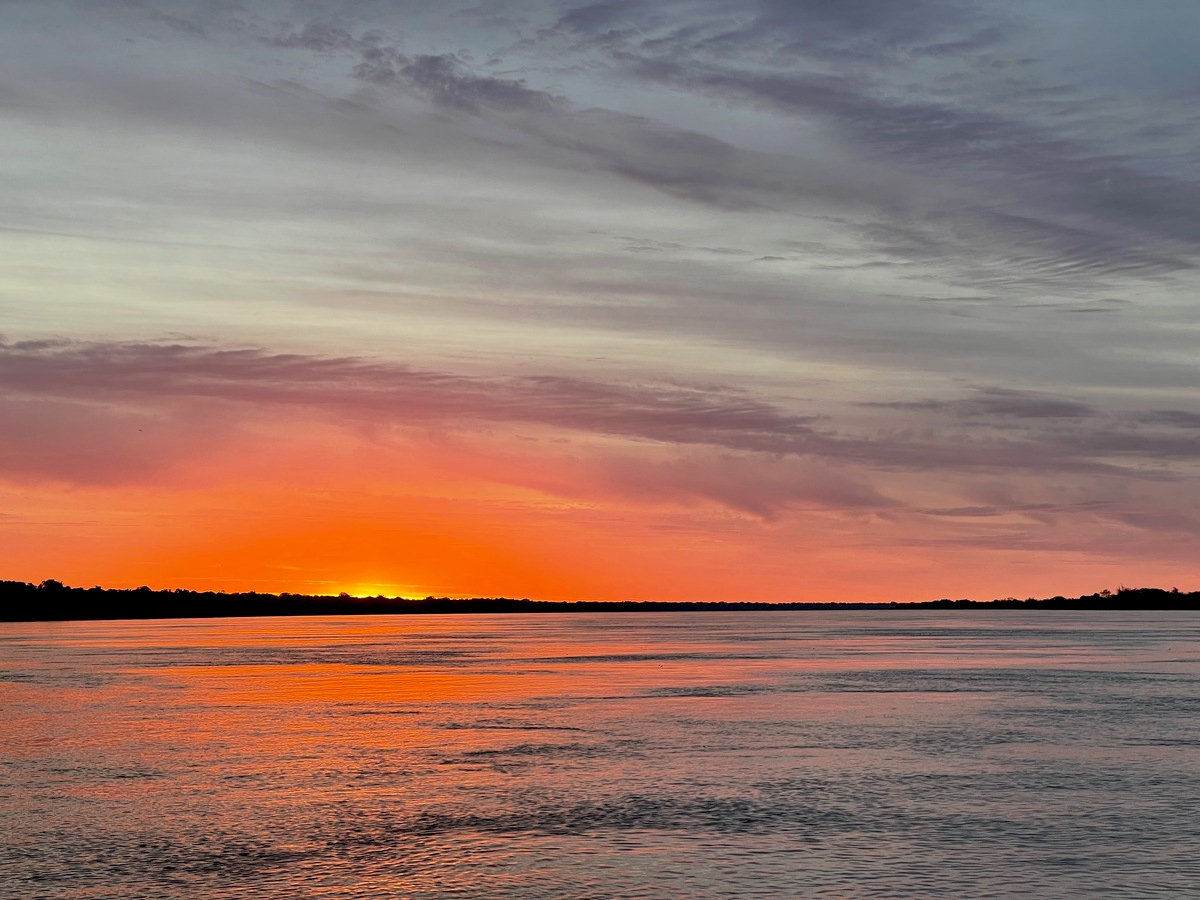
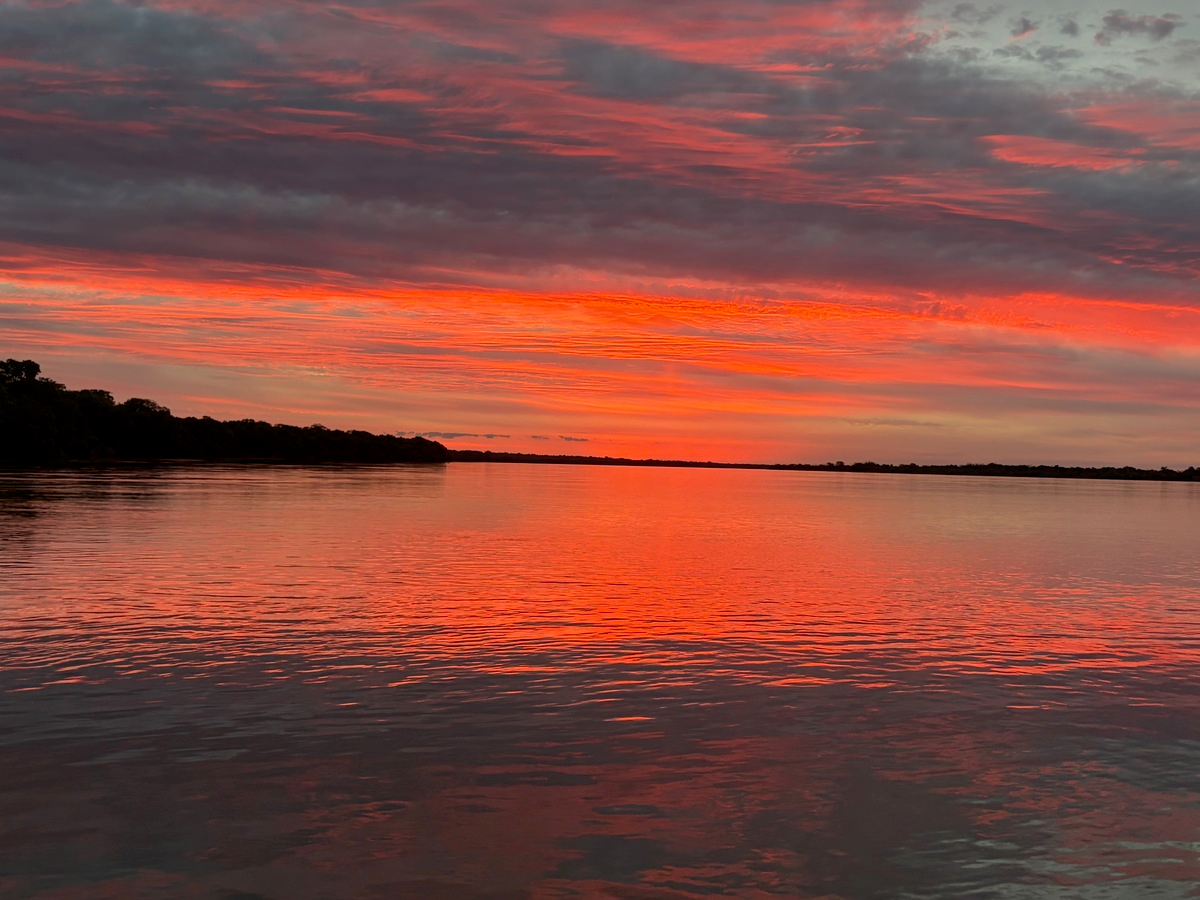
We hope you enjoy the photos from our Argentina adventure. FATC is already discussing a return trip, perhaps in 2028. If it happens, you won’t want to miss it. SET Fly Fishing delivered a truly first-class experience from start to finish!