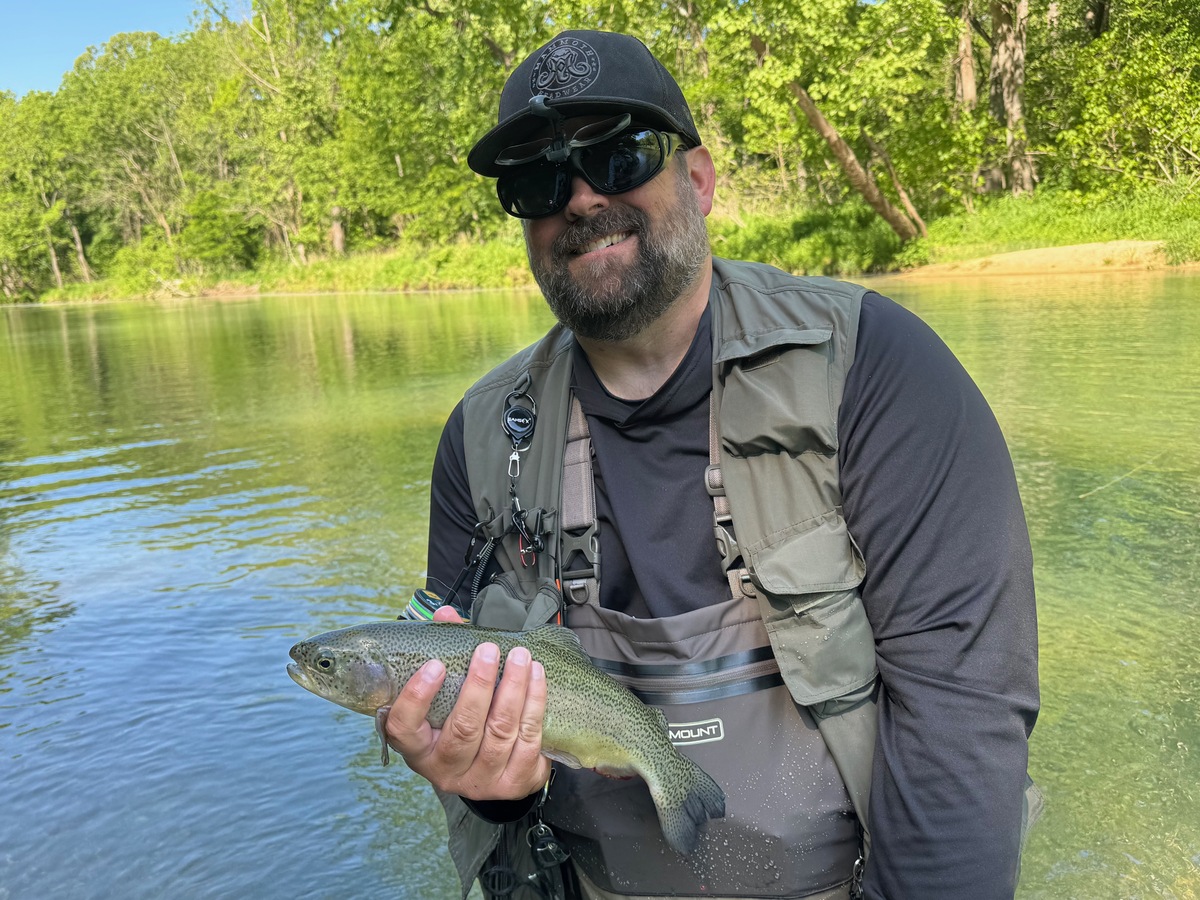
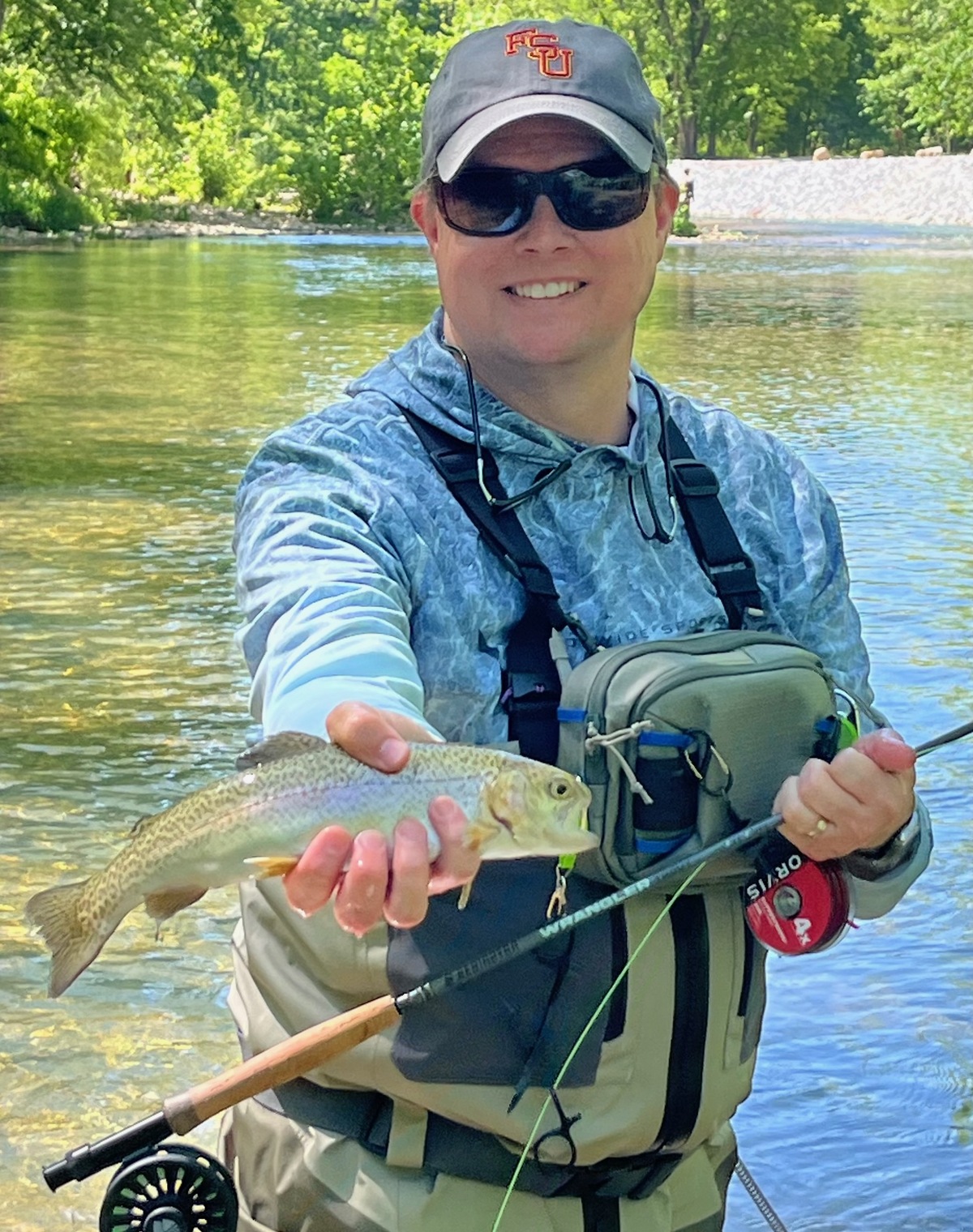
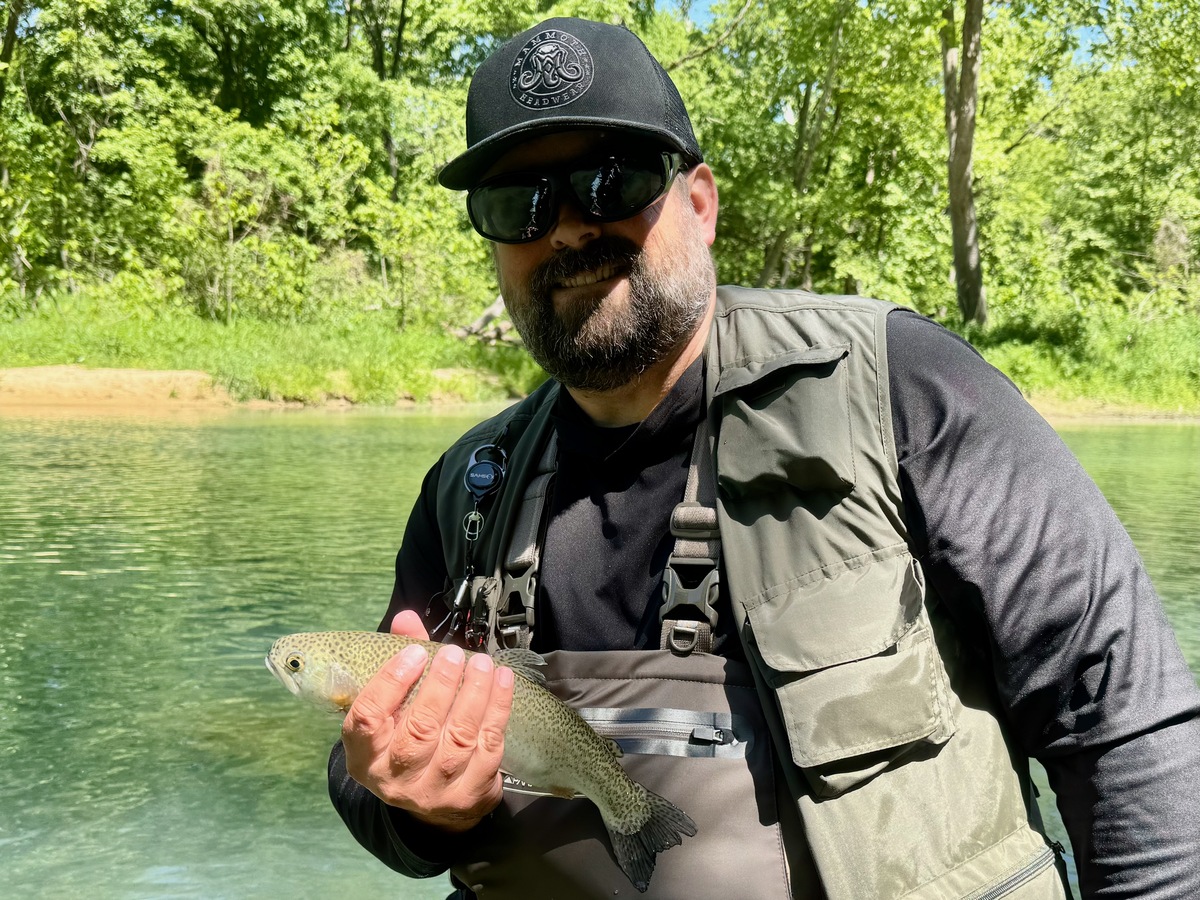
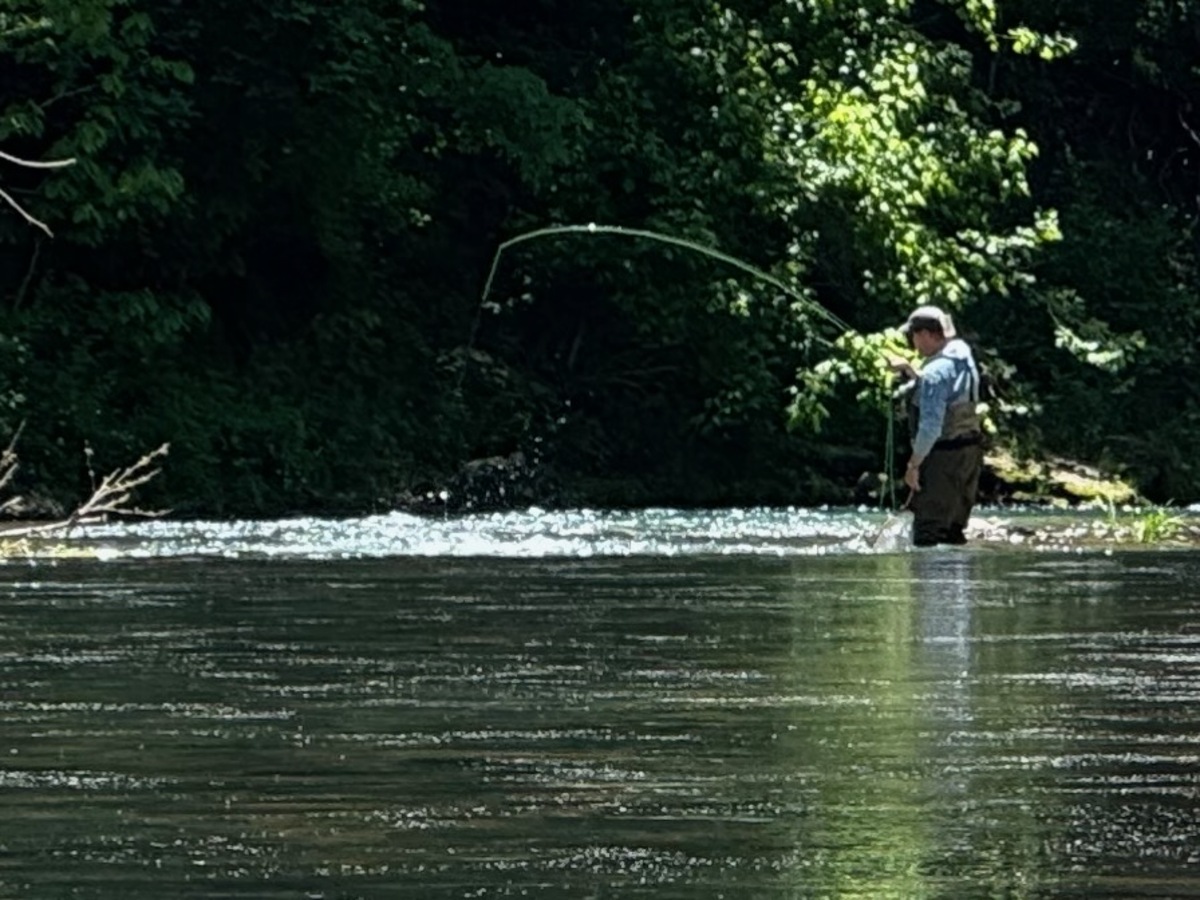
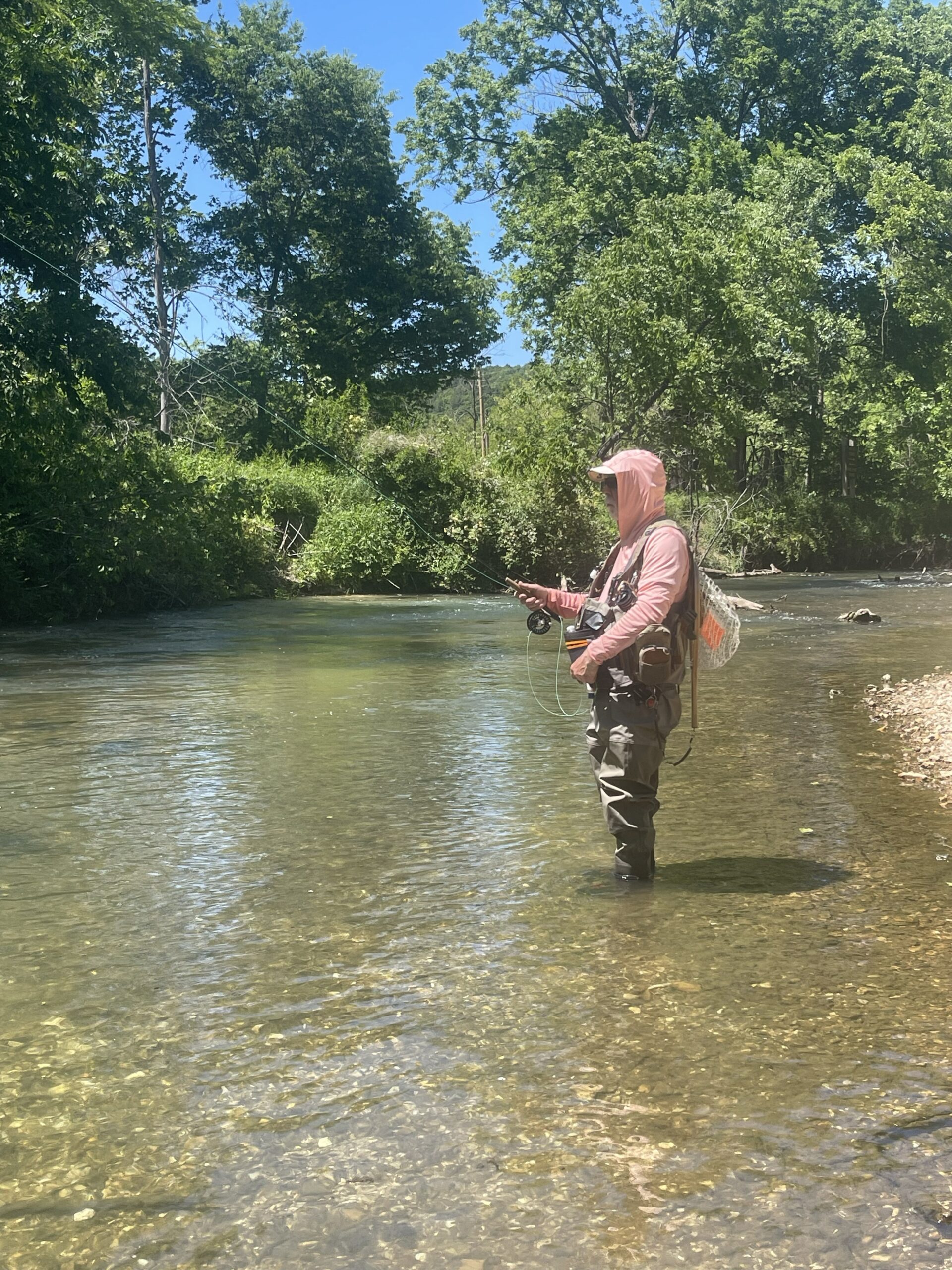
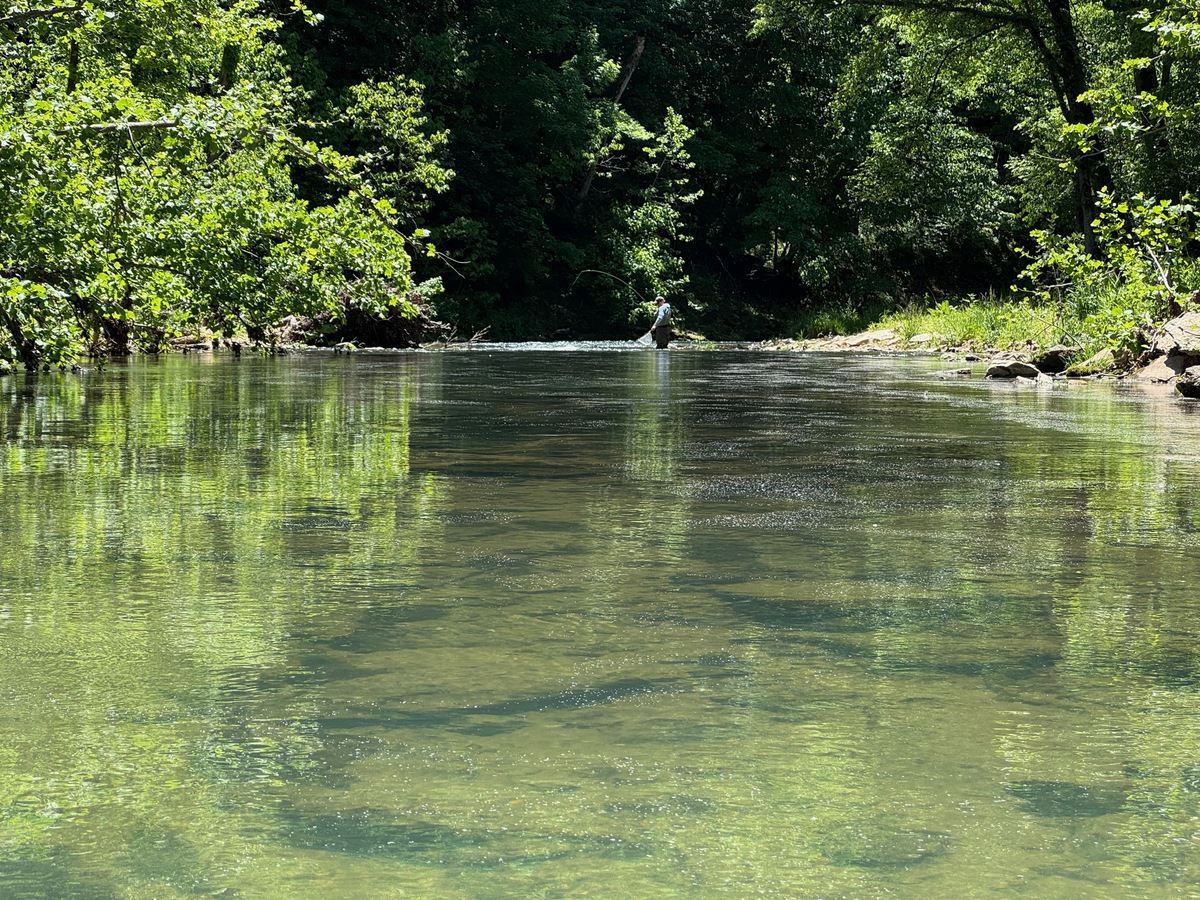
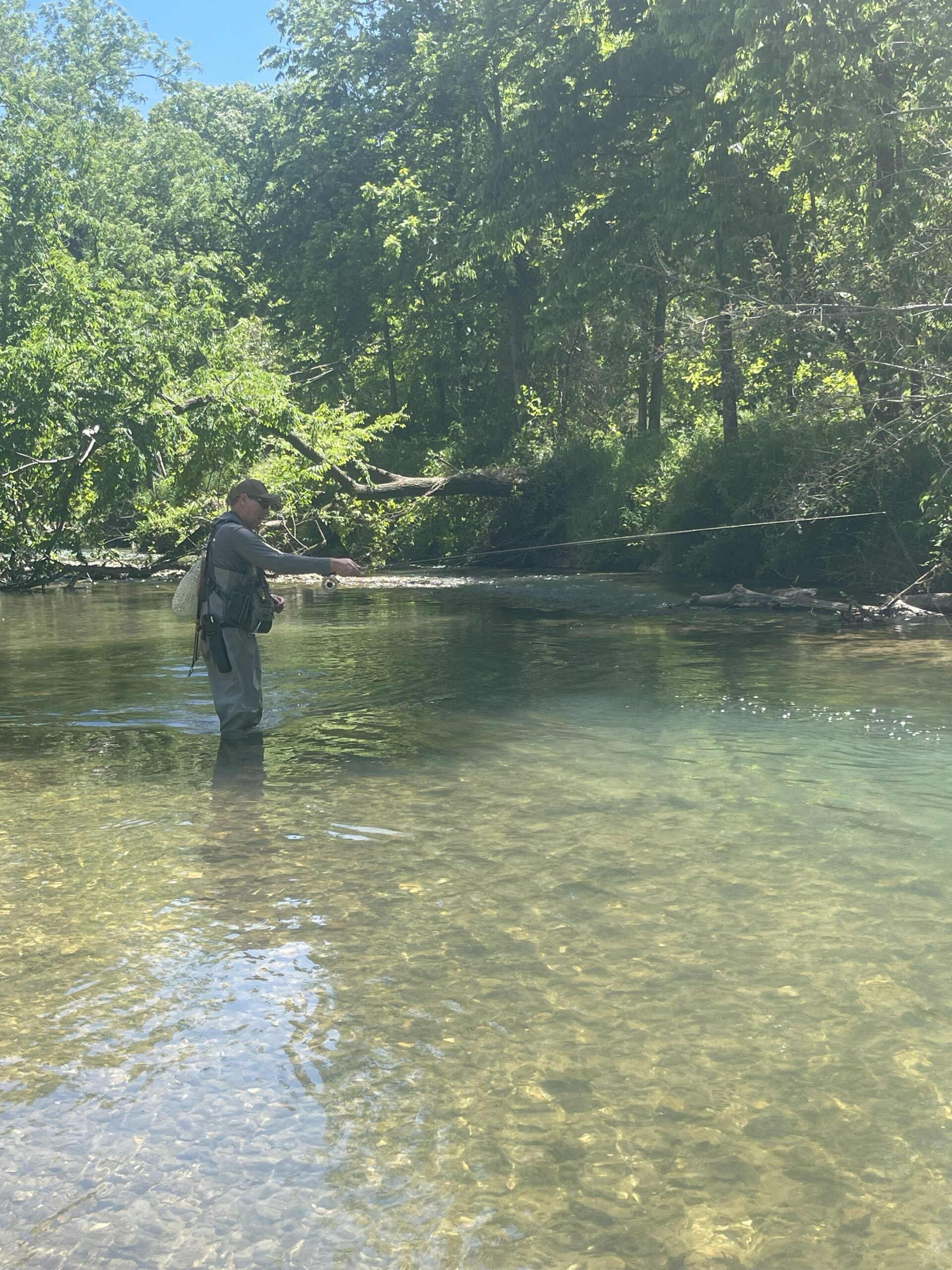
What a beautiful day for a graduation trip!
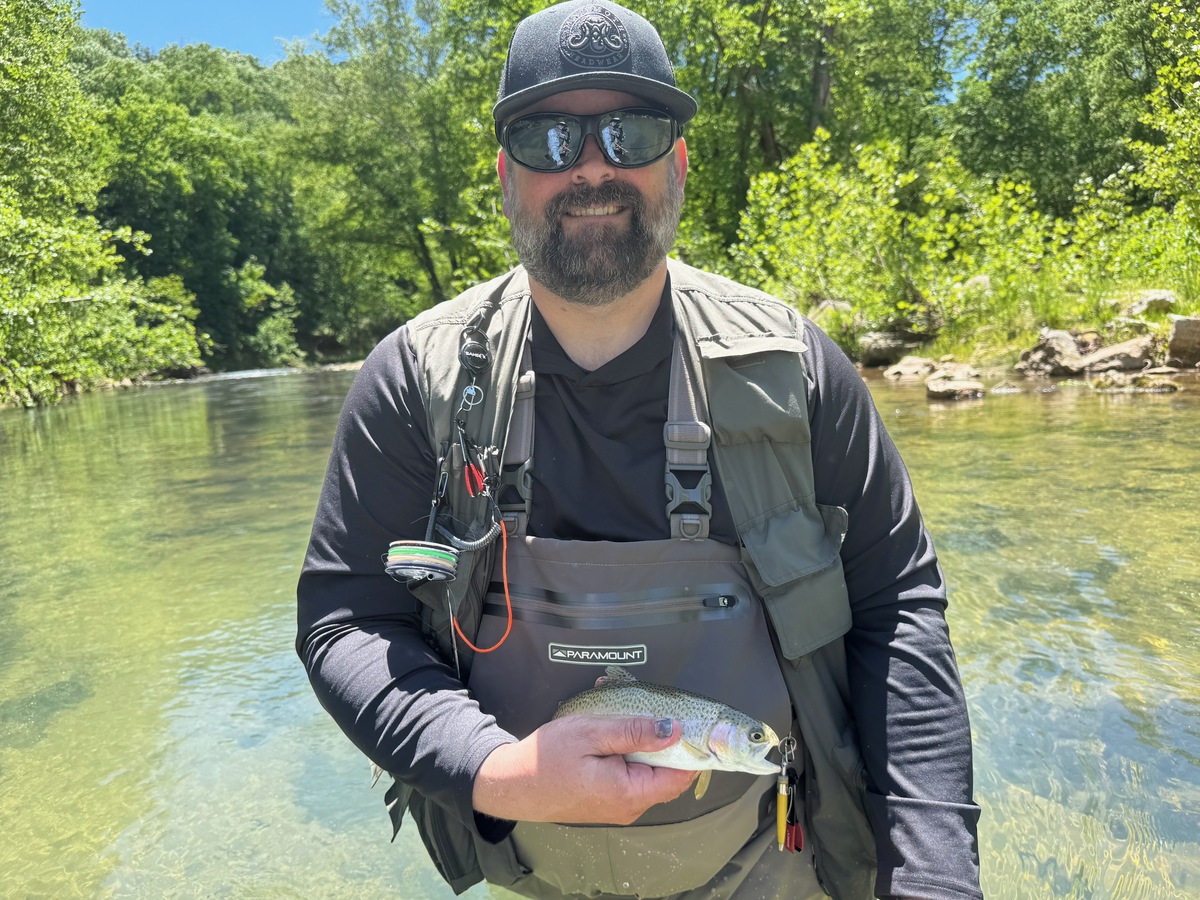
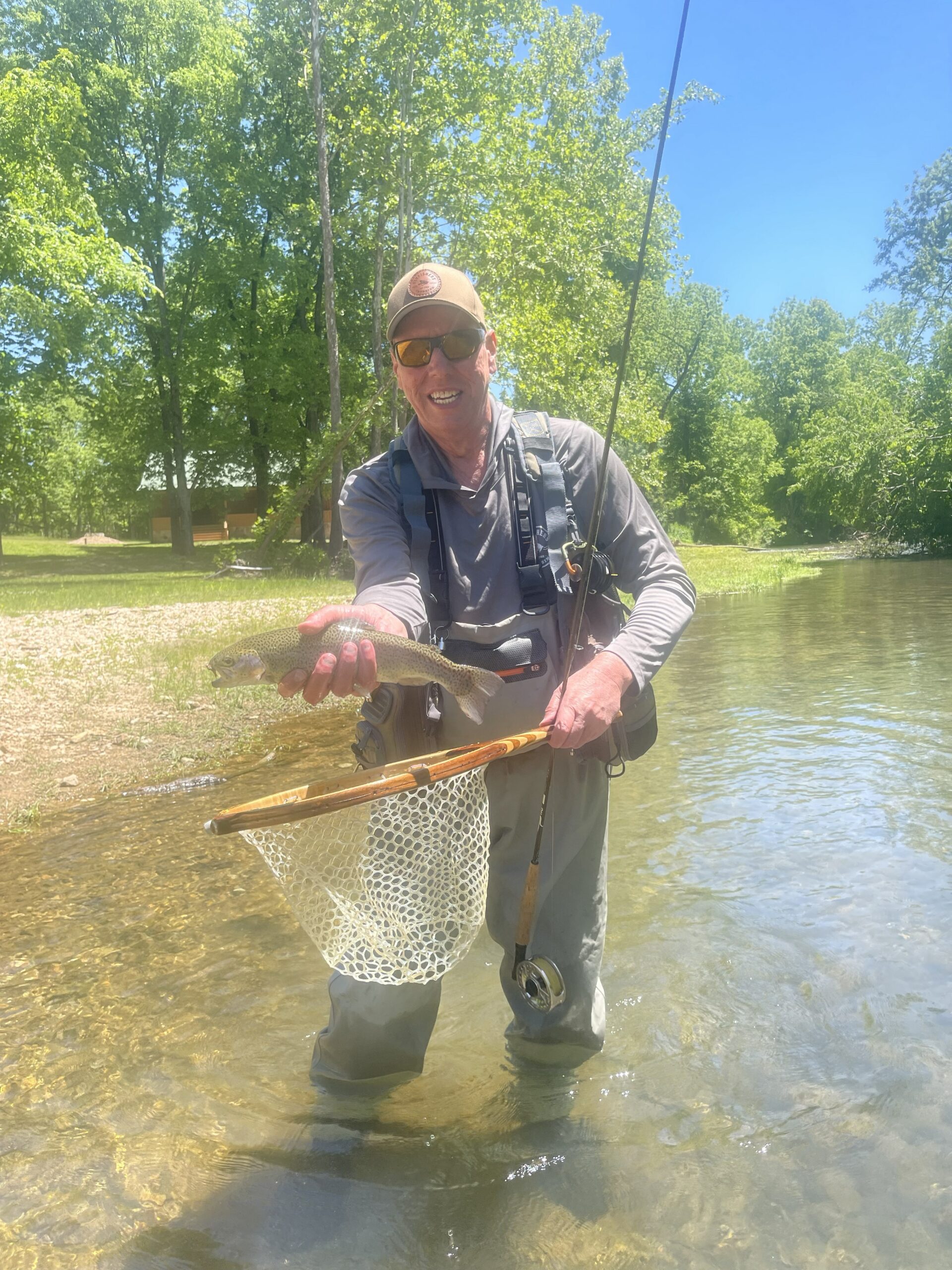
Rob Siegel had tried several times to schedule his graduation outing after completing the FATC fly-fishing class in late 2025. Each attempt was derailed by winter weather forecasts in January and February. To be fair, cold and wind rarely discourage this group, but harsh conditions can make the on-the-water, one-on-one teaching process much more difficult—and who needs that? In the end, the wait was well worth it. We couldn’t have asked for a better day for Rob’s graduation trip.
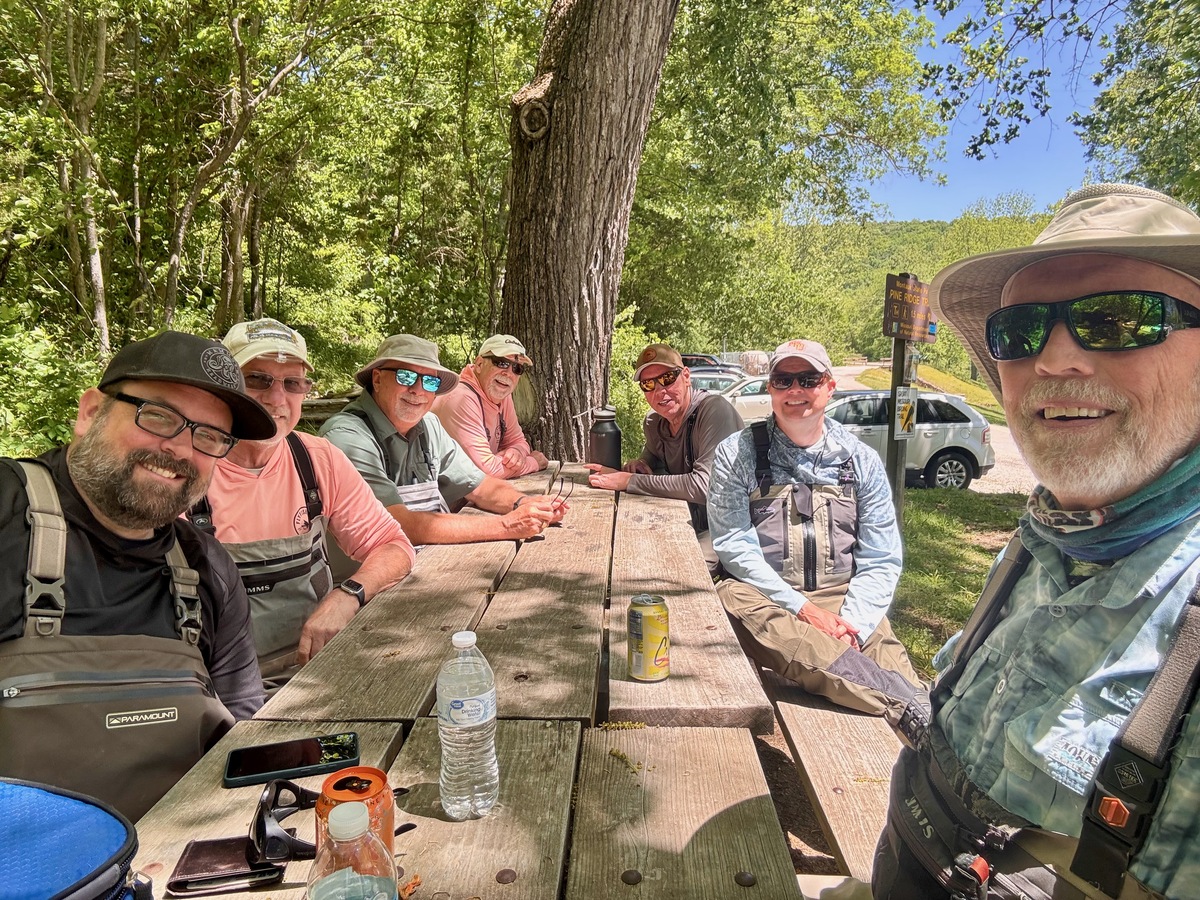
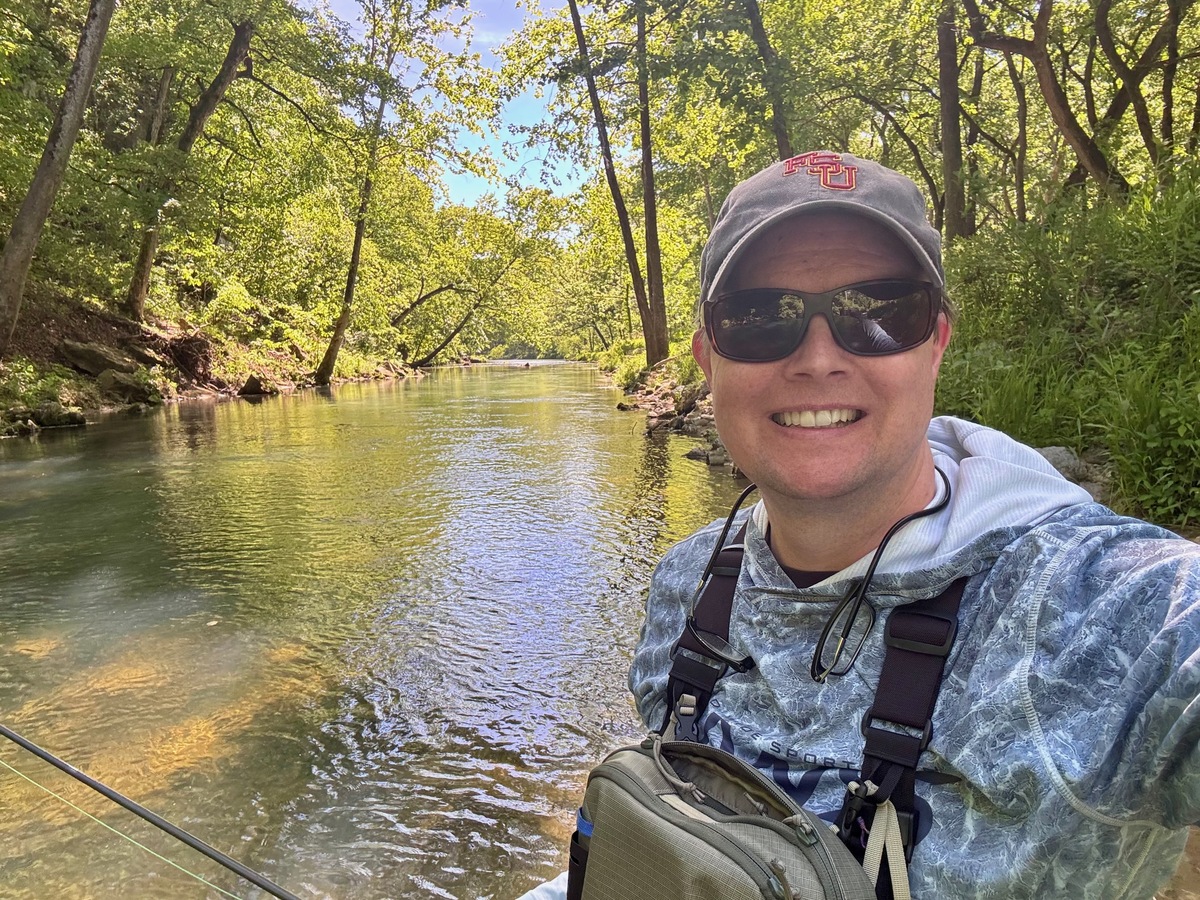
We had a solid crew along to support Rob on his quest: Mike Bisaga, Bob Born, Bob Palish, Ken Welter, and Matt Murphy, our newest graduate from just last week. As usual, we met at 6:15 a.m. at the Eureka Park and Ride before piling into two cars for the drive to Montauk State Park. By 8:45 a.m., we were gearing up in front of the Naturalist Cabin, already appreciating the beautiful conditions ahead of us.
Like most graduation trips, the guys spread out through the fly-only area while Rob and I headed to “the boulder.” We spent the morning practicing casting, fishing streamers, and dead-drifting nymphs. Although it had been a few months since class, Rob was sharp when I quizzed him on topics Kenny had covered—trip planning, fly-fishing resources like the FATC website, aquatic insects, tippet sizes, and more.
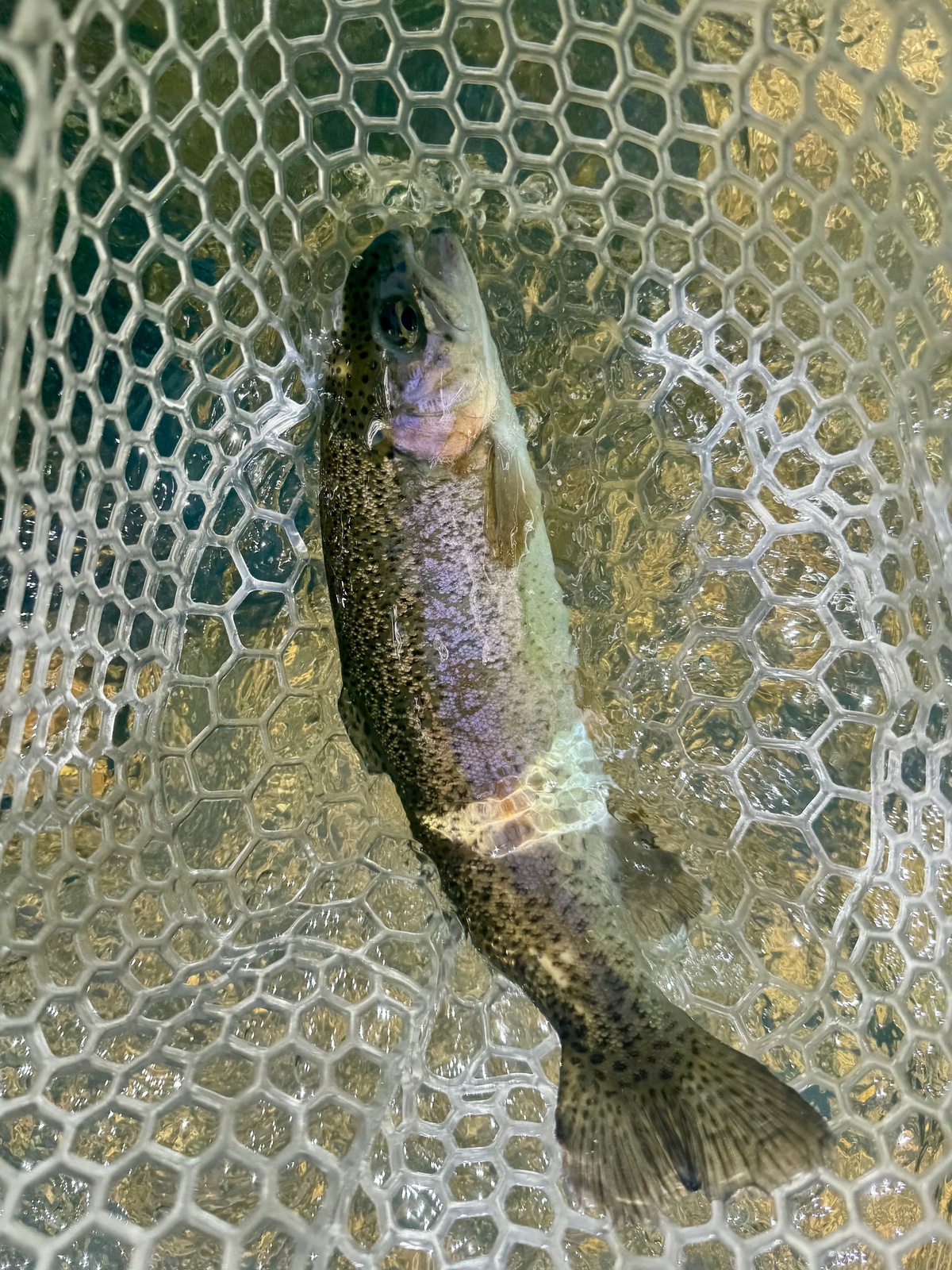
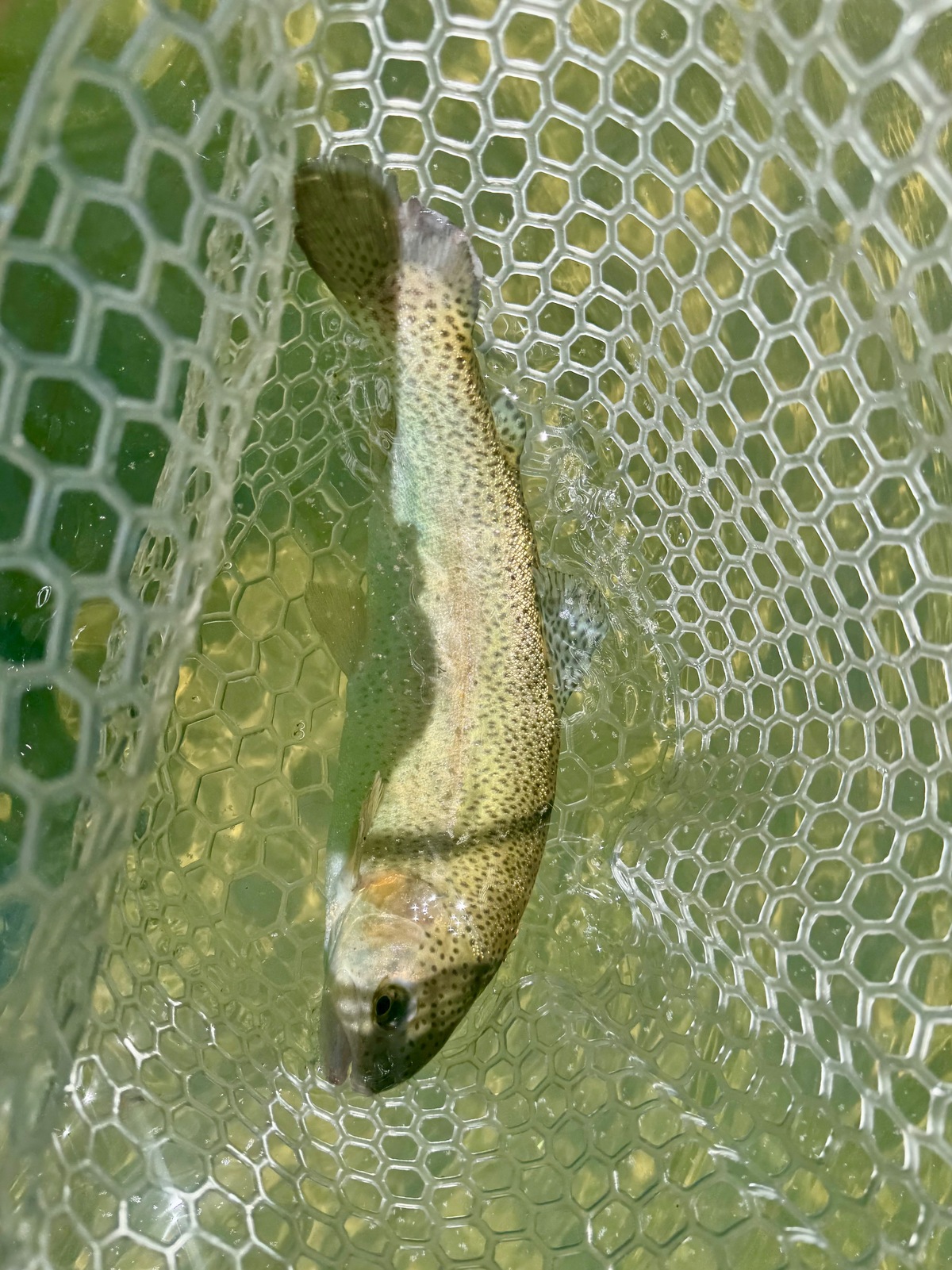
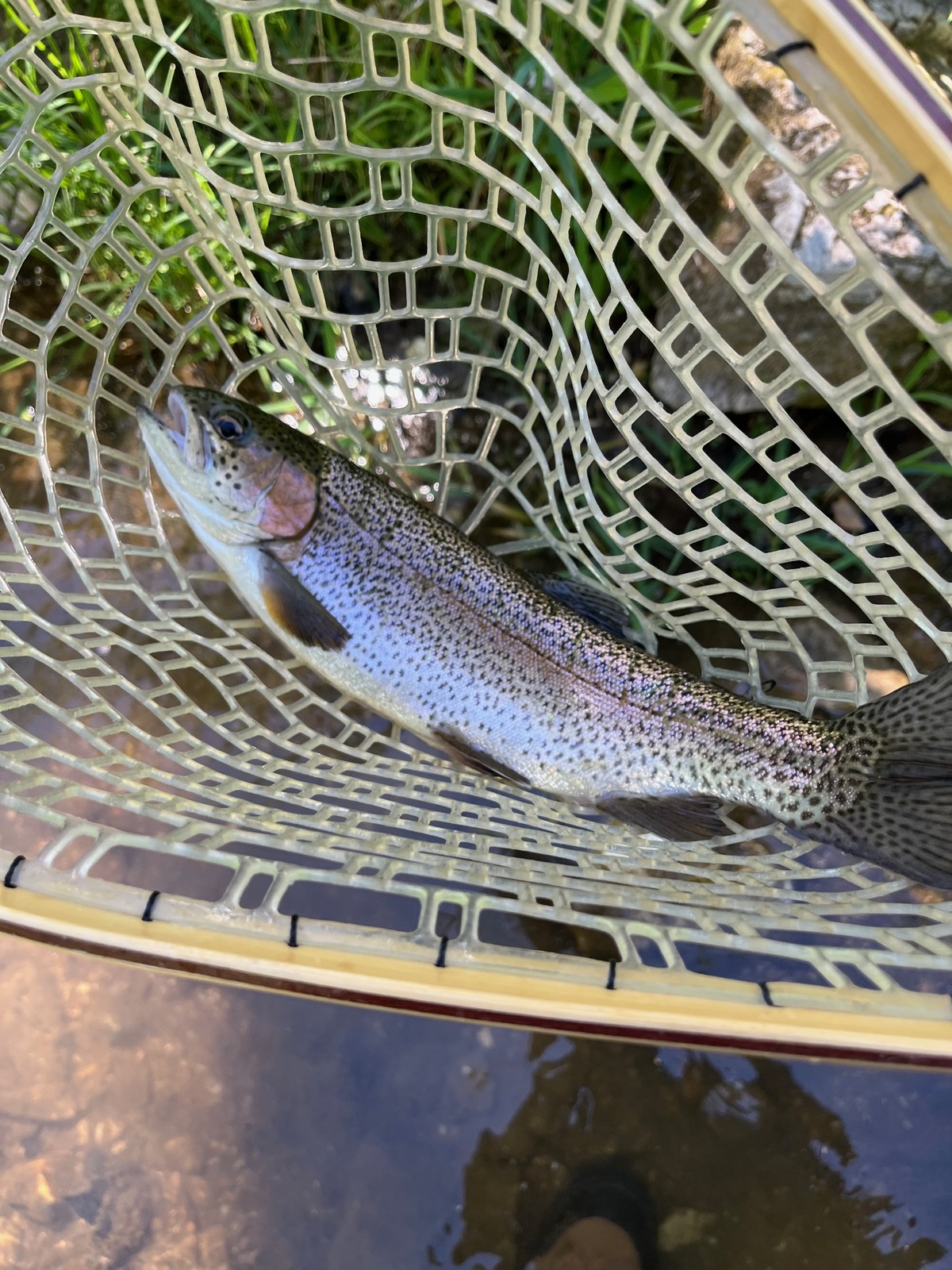
Rob landed two trout before lunch—one on a black Woolly Bugger and another on a midge. But the fish he hooked and lost may have provided the best lessons of the morning. Those missed opportunities are often the moments that refine technique, and 99 percent of the time the answer is simple: “You need a quicker hook set.”
On our walk to and from the boulder, we ran into FATC member Stephen Avedisian and his wife, Vicki. Stephen was there specifically to tune up his skills before heading out in early June with 11 other FATC guys for a Colorado fly-fishing trip.
The group gathered at the Staggenborg tables for lunch, giving everyone a chance to get to know Rob a little better while comparing notes from the morning session. Unfortunately, most reports sounded the same: the catching was tough. No particular fly or technique stood out as consistently effective. Still optimistic, we hit the water again after lunch hoping things would improve.
On our way toward the spring, Rob and I stopped at the riffles below Powerline Cove. Earlier in the day, the fish had been holding deep, so Rob hadn’t yet had the chance to learn the technique of swinging soft hackles. This seemed like the perfect water to try it, since trout often eagerly attack soft hackles in that stretch.
Instead, Rob got plenty of practice swinging multiple soft hackles while we experimented with different sizes and colors, trying to unlock the trout’s preferences. Fish were everywhere, but convincing them to eat was another matter entirely. These trout were unusually stubborn.
Still, it became an excellent teaching opportunity—one many anglers never fully learn: don’t spend too much time forcing a presentation the fish clearly don’t want. So, we kept moving.
Our next stop was the spring, where Rob chose to indicator nymph as we worked downstream. For the afternoon session of a graduation trip, we take off the training wheels and let students make their own decisions based on what they learned during the morning and the fish behavior they observe.
Rob’s Walt’s Worm nymph generated a fair amount of interest, but detecting the subtle takes proved very difficult. In fact, that seemed to be the complaint from nearly everyone that day. Unless you were lightning quick on the hook set, all you got was a brief flash, the faintest hint of a tug, and then… disappointment.
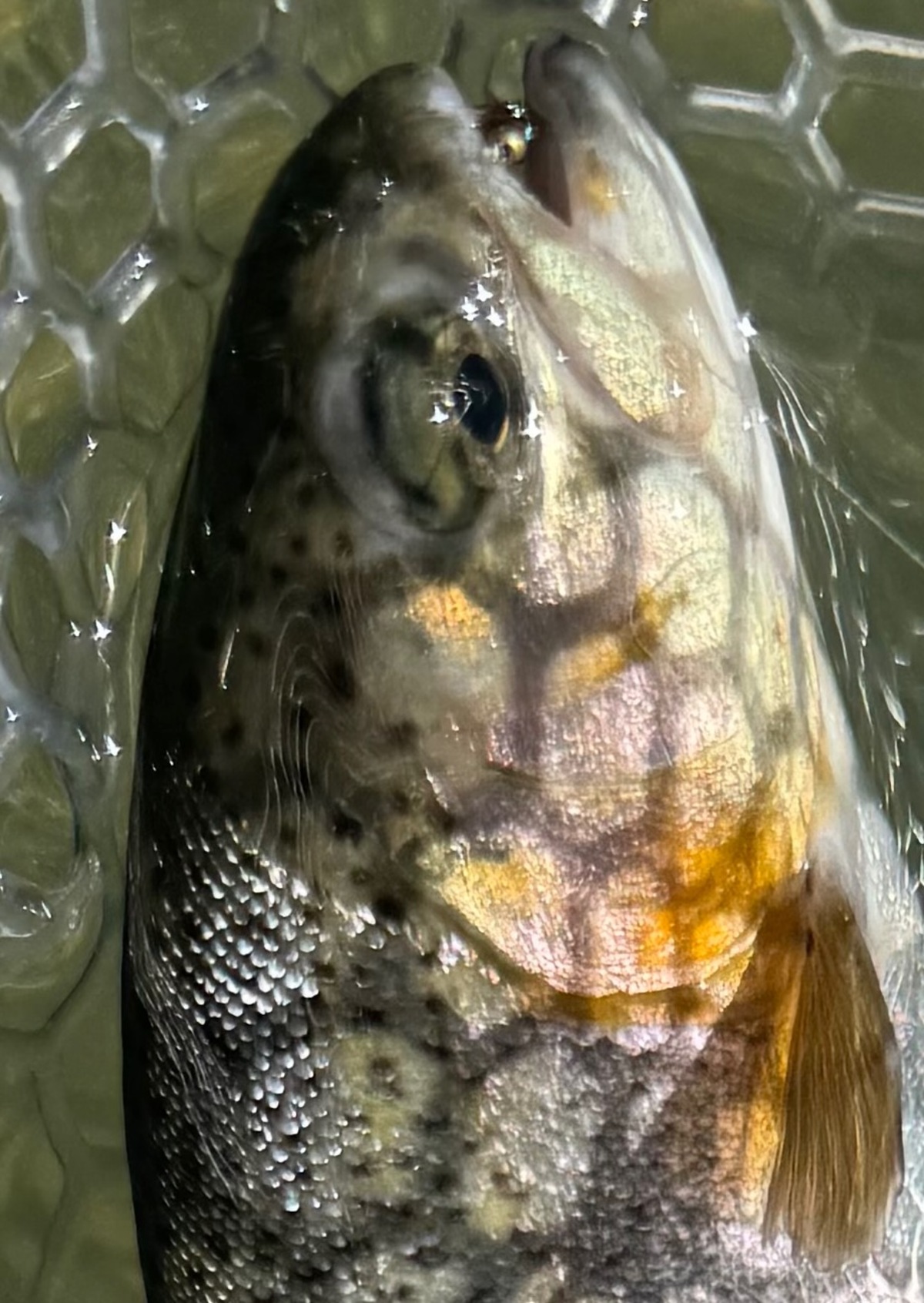
Still, the afternoon wasn’t without success. Rob managed to put two more fish in the net before we headed out for dinner. Considering how challenging the conditions were, he had a very respectable day.
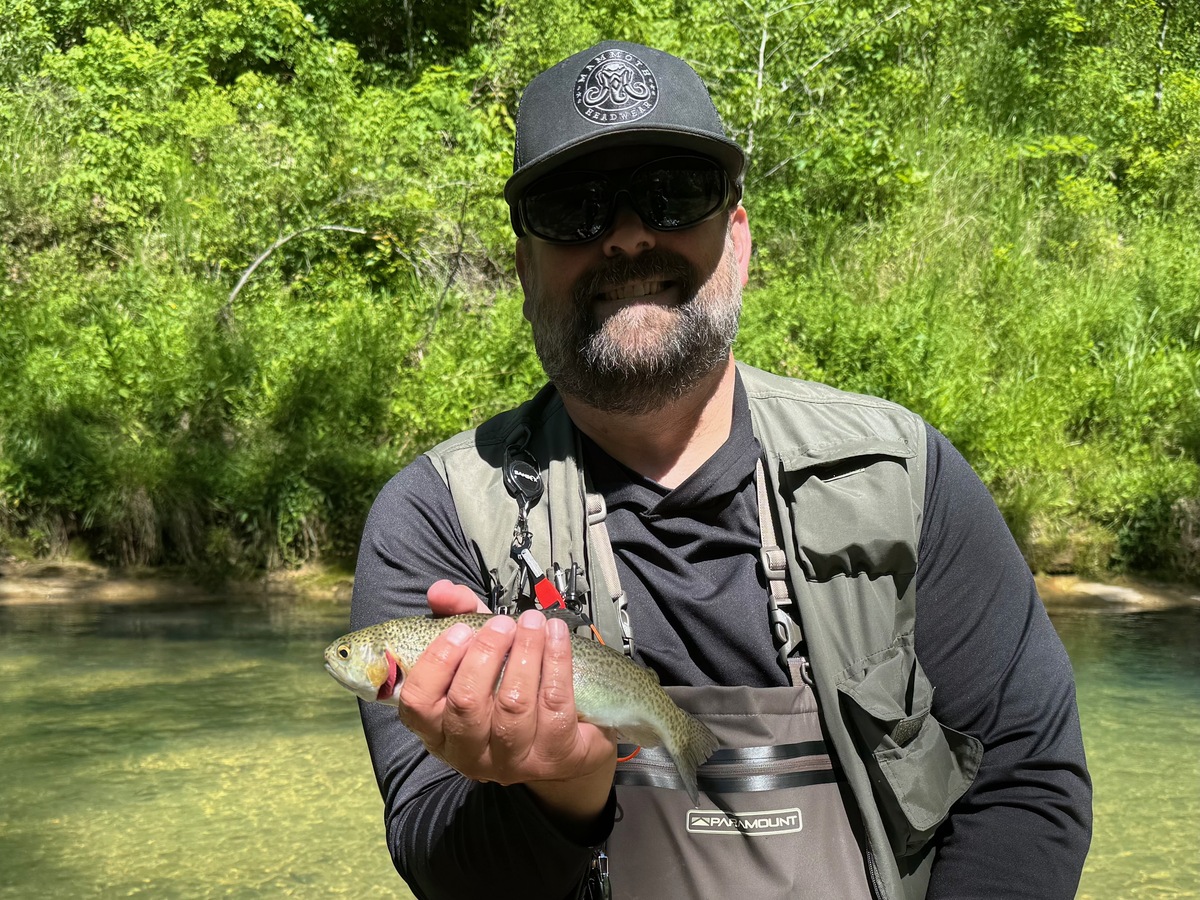
There really wasn’t a hot fly or dominant technique throughout the trip. Rob and I did best with the Walt’s Worm, while others picked up fish on perdigons, black midges, and eggs.
Then there was Mike Bisaga.
After lunch, Mike, Bob B. and Ken worked the water below the cable and just above the campground bridge. Mike was Euro nymphing, but he realized he needed more casting distance than traditional Euro techniques allowed in order to reach an area he suspected was holding fish.
Pressed for time late in the day—and, as he admitted, maybe feeling a little lazy—Mike made an unconventional decision. Rather than taking time to put away the Euro rod and rig a streamer rod, off came the tiny Czech nymph, and on went a streamer tied to his lightweight TFO Stealth rod.
That’s when he discovered one of the most underutilized capabilities of this TFO Euro rod: it can cast dry flies and moderate-sized streamers surprisingly well.
Bingo.
Mike finished his day catching multiple fish by identifying a prime trout holding spot and adapting his presentation to reach it effectively. What a great example of problem-solving and adaptability on the water.
Of course, no FATC trip is complete without a brotherhood dinner on the way home. Tradition allows the graduate to choose the restaurant, and after reviewing our “approved” options, Rob selected Hick’s Bar-B-Q in Cuba, Missouri.
Honestly, we hadn’t eaten there in over a year following a couple of below-average experiences. But we decided to give it another shot—and we were glad we did. The food was very good and the service was great. We’ll be back there again soon.
Maybe the next time Rob and I are out, I can help him experience the fun of catching some fish swinging a soft hackle fly—a technique every fly fisher should have in their toolbox.
Next week, ten of us are headed north for our Altar Soul of a Man fly-fishing retreat in Whalen, Minnesota, so I suspect the trout at Montauk will get a brief reprieve. But our next graduation trip is already scheduled for May 27, 2026.
Let me know if you can make it!