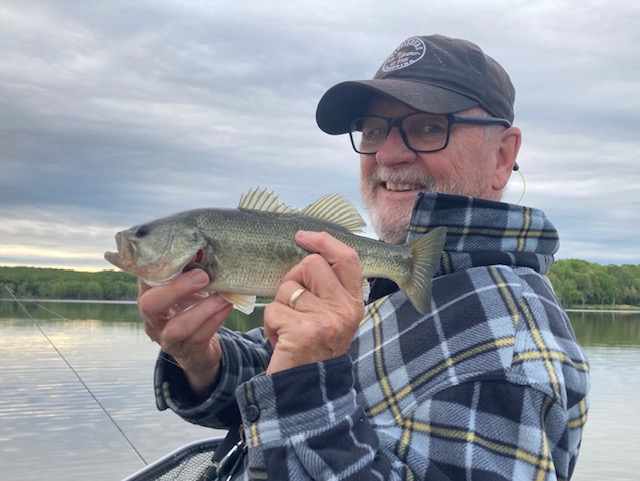
The rivers are may be flooded but the lakes and ponds in the area (even the ponds near your house!) are full of spawning sunfish and bass. What a great way to practice until the rivers get back to normal!! These guys DID!!!
Spring Spawning
This is a brief report about myself, Al Harper, and fishing buddies having some success catching warm water fish that are starting to spawn. The latest, and perhaps most successful effort thus far was an outing with Don McCain on May 5th.
The process of warm water fish laying, fertilizing and hatching eggs in Missouri lakes and ponds can last a few weeks. The spawn is impacted by factors like water temperatures (55-60 degrees), water depth, weather and even moon phases.
So far this spring my warm water efforts have centered on a couple of small lakes in Franklin County, but because the water temperatures in different sized lakes vary as things warm up, the duration of the spawn is slightly different throughout our region. I found bass and bluegills moving from deeper water toward shorelines in early to mid April. They were eager to strike poppers and Marabou jigs.
Biologists and others who know a lot about the spawn say (male) bass find a sturdy, hard bottomed area to build a nest to begin the spawn. Female bass wait in nearby slightly deeper water. Apparently Bluegill are opportunists that move into the same areas and utilize those beds for spawning as well once bass eggs have been fertilized and hatched and minnows in the nest are self sufficient. That might explain why we’ve been catching both bass and panfish in roughly the same territory.
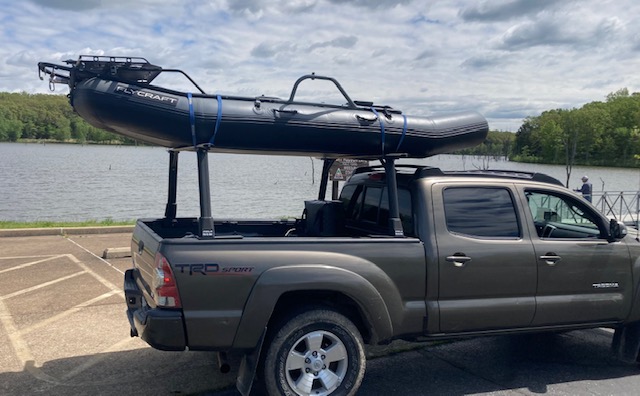
Don and I got an early start on our excursion and pushed off in my lightweight inflatable driftboat onto an almost perfectly still lake devoid of any other boats or bank fishermen. We quietly eased toward a nearby bank and saw subtle evidence of fish swirling around in grass and aquatic reed banks. Great care was taken to avoid spooking the fish. We cast from as far away as possible to get the best results. We used medium-sized top water poppers and tried various retrieval techniques.
Letting the fly lie still upon impact for a count of ten then getting a couple of sharp pops out of it before letting it rest again often got a strike. A quick hookset was needed. Most strikes came in water up to about 3 feet in depth.
Don exhibited quick reflexes and was rewarded with good hooksets. He even got on the oars for the first time and did okay despite maneuvering through a lake with many above surface trees and increasingly windy conditions in the late morning.
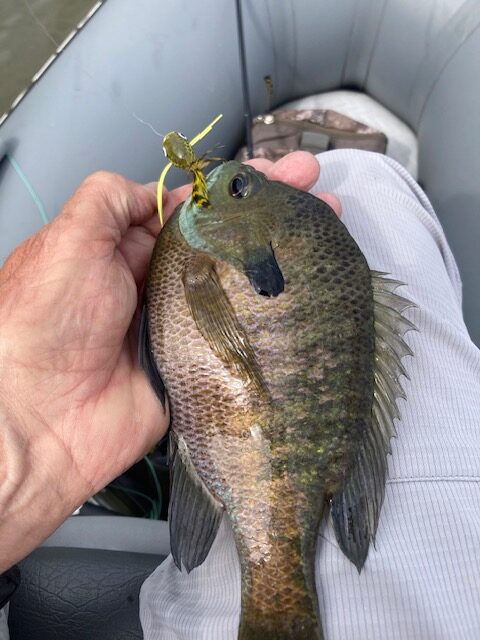
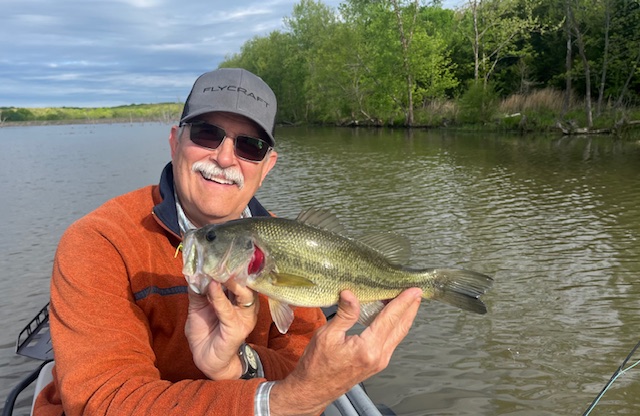
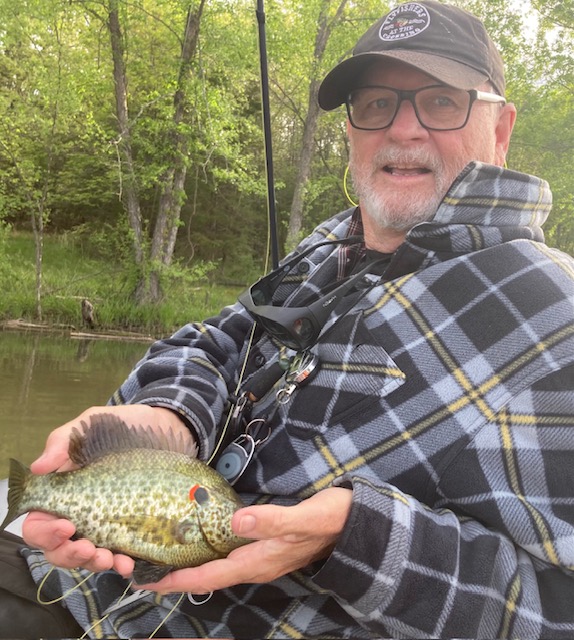
Fish were stacked up all along banks but were unapproachable by land. They readily hit surface flys. At one point we drifted over clearly visible clouds of brown mud released by fish whipping up spawning beds. By about 11 am Bob and I had each landed about 20 bass and probably about half that number of panfish, some of which struck with ferocity and put up quite a battle on our limber fly rods.
Having done well with largemouth bass the past weeks, I’ve become more curious about the smallmouth bass spawning activity in local rivers as well. My research and conversations with local guides and avid fishermen indicates that smallmouth spawning follows the largemouth by about three or four weeks. The same scenario of males emerging from their deeper realms when water temperatures rise and then preparing beds for females repeats itself. So it looks like May to early June bodes well for more good fly fishing for the other native species of bass too.